Why Winter Is the Best Time to Build Bird Trust in Your Garden
Trust is not something birds give quickly. Unlike pets or familiar wildlife, birds constantly weigh risk against reward, especially in environments shaped by humans. What surprises many gardeners is that winter—often seen as the quietest and least inviting season—is actually when that trust is built most effectively.
When food is scarce and energy matters, birds become more selective. They return only to places that have proven themselves reliable. In that sense, winter doesn’t just test gardens—it reveals which ones birds are willing to depend on.
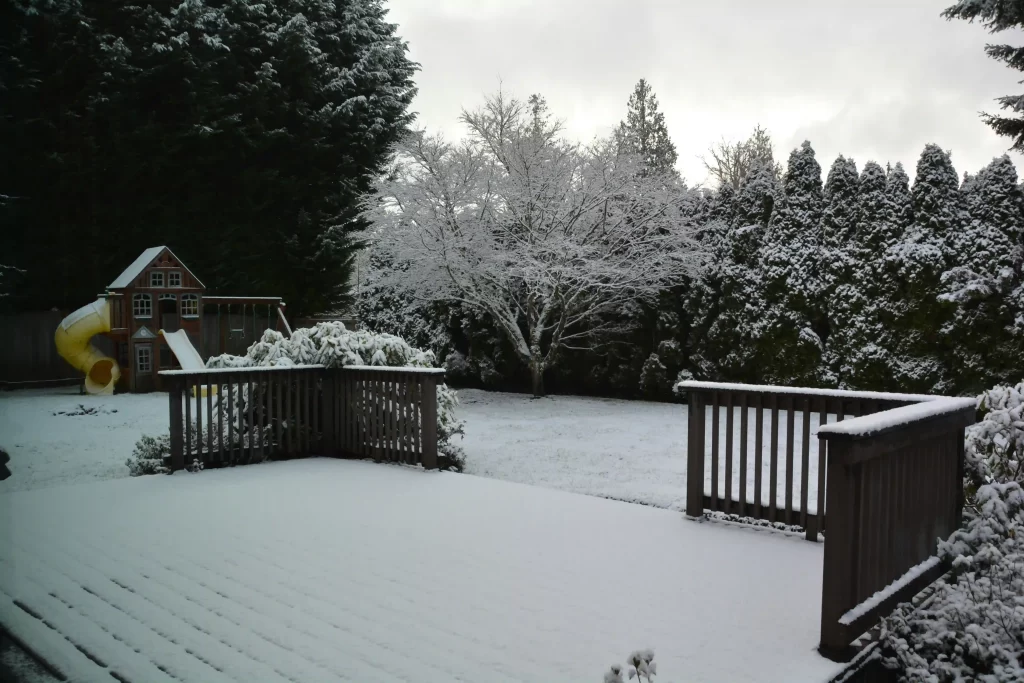
Scarcity Sharpens Memory
During warmer months, birds have options. Natural food sources are abundant, daylight is long, and movement between spaces is easy. A garden may attract birds simply by chance, without becoming meaningful to them.
Winter changes that equation. With fewer resources available, birds pay closer attention to outcomes. A place that offers food one day and disappears the next is quickly dismissed. A garden that remains consistent, even in small ways, becomes memorable.
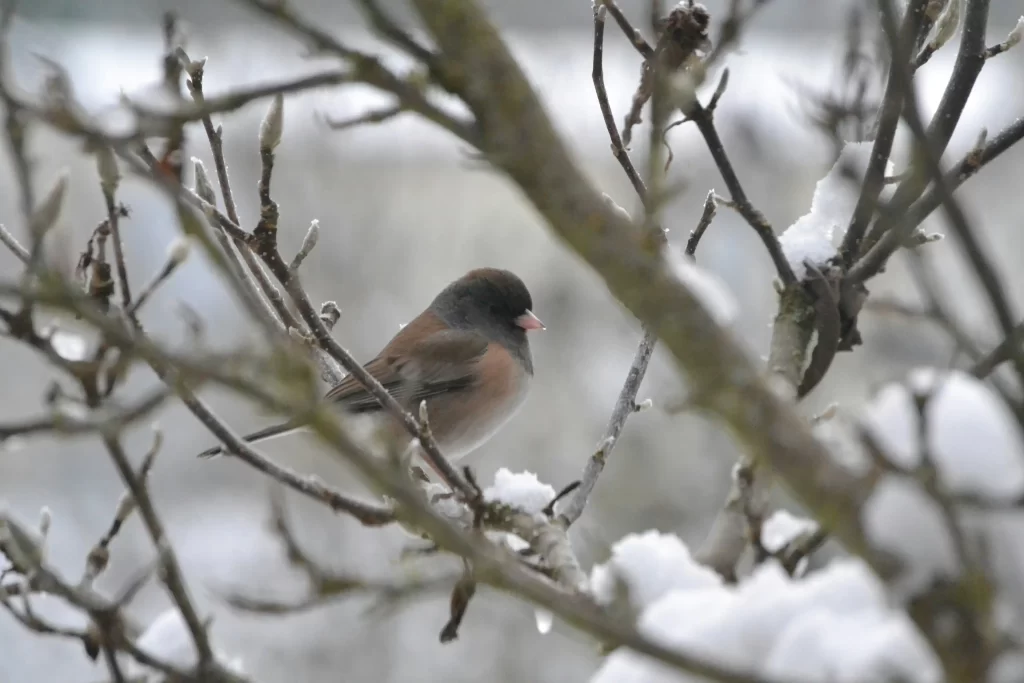
This is how trust begins. Not through abundance, but through reliability. Birds that return during winter are not exploring—they are choosing. And once a garden earns that choice repeatedly, it becomes part of their mental map, not just a temporary stop.
Predictability Matters More Than Generosity
Many gardeners assume that attracting birds means offering more: more seed, more feeders, more variety. In winter, birds respond less to quantity and more to predictability.
Birds learn quickly where food appears at the same location, at roughly the same times, without sudden disruptions. They also learn where feeding feels calm rather than chaotic. Even subtle changes—moving feeders frequently, inconsistent refilling, or constant human interference—can signal instability.
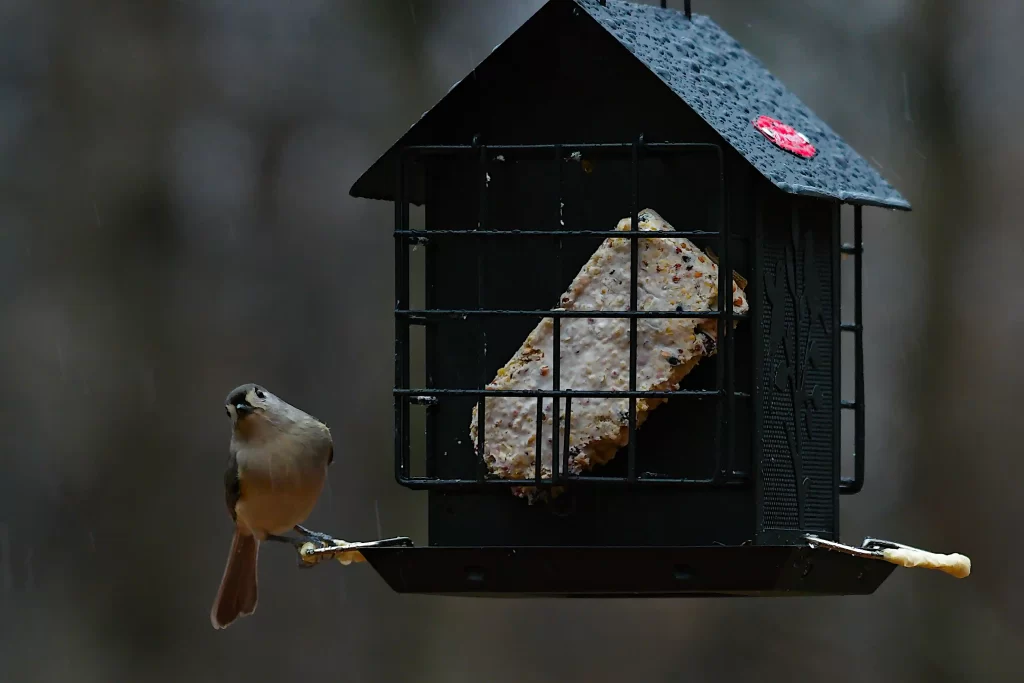
Gardens that build trust in winter tend to feel steady. Feeding areas remain familiar. Surroundings don’t change dramatically. Over time, birds approach with less hesitation, feed more calmly, and stay longer. These behaviors signal that trust is taking hold.
It’s often during this period that gardeners notice birds returning earlier each day, or lingering rather than grabbing food and fleeing. That shift doesn’t happen because birds are comfortable—it happens because they’ve learned the space behaves consistently.
Winter Reduces Noise and Reveals Behavior
Another reason winter is so effective for building trust is that it removes distractions. Without dense foliage, loud insects, or seasonal bursts of activity, birds stand out more clearly. Their movements are easier to follow, and their routines easier to recognize.
This clarity benefits both sides. Birds experience fewer unpredictable disturbances, while gardeners become better observers. You begin noticing which perches birds favor, how they scan before feeding, and how they react to movement nearby. Over time, you learn what makes them pause—and what makes them stay.
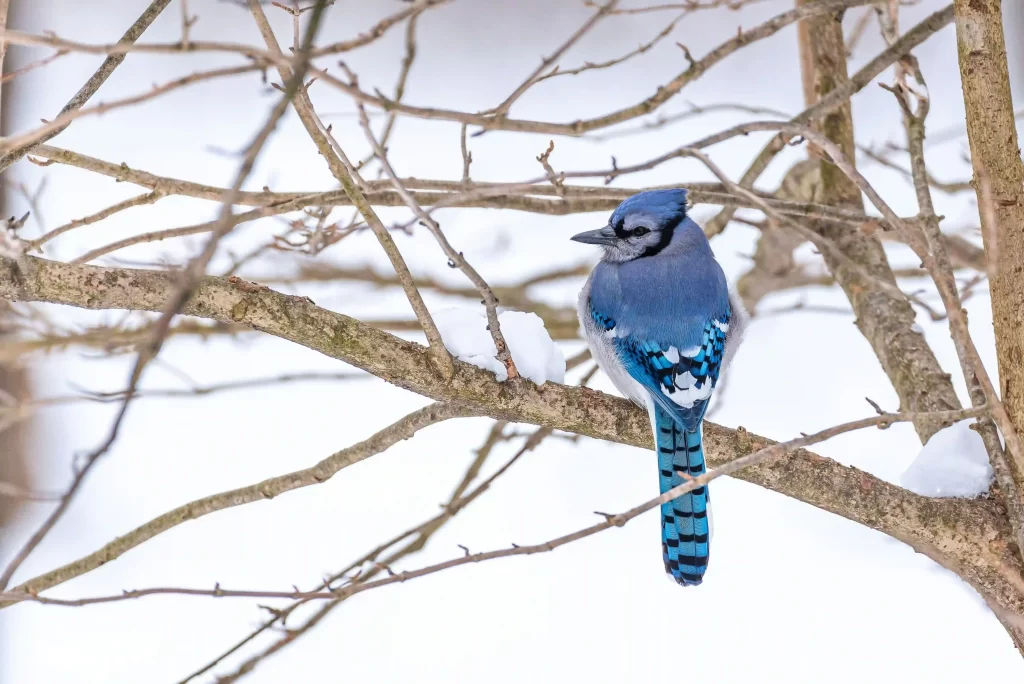
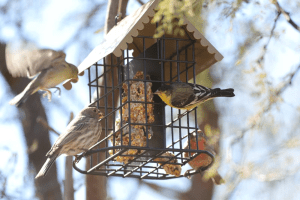
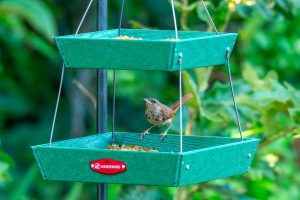
Stable garden features become more important during this season. Simple, dependable setups—such as thoughtfully placed kingsyard bird feeders—help reduce unnecessary disruption by staying functional and familiar through changing conditions. But no single object builds trust alone. Trust comes from the environment behaving the same way day after day.
Trust Is Built Quietly, Then Revealed Later
The most interesting part of winter bird trust is that its effects are often delayed. Birds may not appear suddenly or dramatically. Instead, their behavior changes gradually: less hesitation, more frequent visits, a willingness to remain after minor disturbances.
By the time spring arrives, that trust becomes obvious. Birds return quickly. New individuals follow familiar ones. Activity increases without the need for adjustment or intervention. What looks like sudden success is usually the result of quiet consistency through winter.
Winter doesn’t reward effort that seeks immediate results. It rewards patience, stability, and restraint. Gardens that respect those principles become reliable spaces in a landscape that often isn’t.
In that sense, winter isn’t the off-season for birding. It’s the foundation. And the trust built during the coldest months is what allows birds—and gardens—to truly come alive when the seasons change.
You may want to read:
- Should You Keep Hummingbird Feeders Up in August? Migration Feeding Tips
- August Bird Feeding Guide: What to Feed Birds in Late Summer
- When Do Hummingbirds Migrate South? Fall Migration Timelines & Preparation Guide
- What Birds Are Active in July? A Complete Mid-Summer Backyard Birding Guide
- How to Attract Orioles to Your Backyard: Fruit, Nectar & Feeder Setup Guide

Post Comment