Backyard Birding Basics: How Gardens Attract Birds in the First Place
Table of Contents
When people talk about attracting birds, the conversation often jumps straight to feeders. What kind of seed to use, where to hang it, how often to refill it. While food certainly matters, experienced birders know that birds don’t arrive simply because something is hanging from a hook. They arrive because a garden feels right.
Understanding how birds decide where to land, stay, and return is the real foundation of backyard birding. Once you understand that logic, every other decision—from planting to placement—starts to make sense.
Birds Don’t “Visit” Gardens—They Evaluate Them
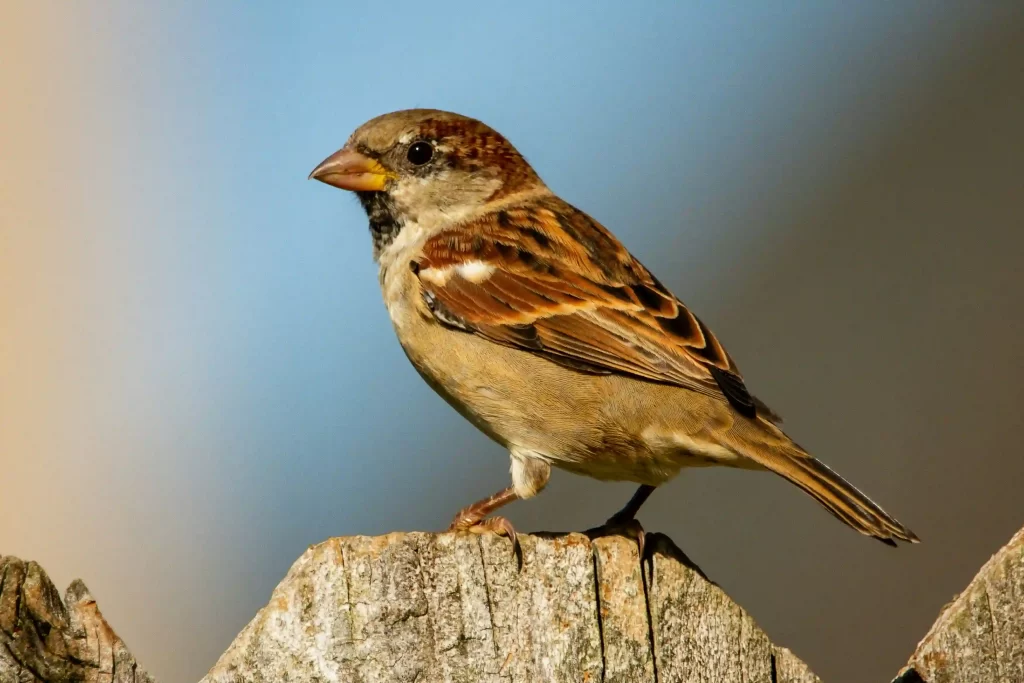
Birds are constantly assessing risk and reward. When one approaches a backyard, it is not looking for decoration or convenience; it is scanning for survival cues. Is there food? Is there water nearby? Can I escape quickly if danger appears? Is this space consistent or unpredictable?
This evaluation happens quickly, but it is thorough. A garden that looks lively to us may still feel unsafe to a bird if sightlines are blocked, feeding areas are too exposed, or activity is inconsistent. In contrast, even a modest yard can become a reliable stop if it offers clarity and calm.
This is why some gardens attract birds effortlessly year after year, while others struggle despite constant adjustments.
The Three Conditions Every Bird Responds To
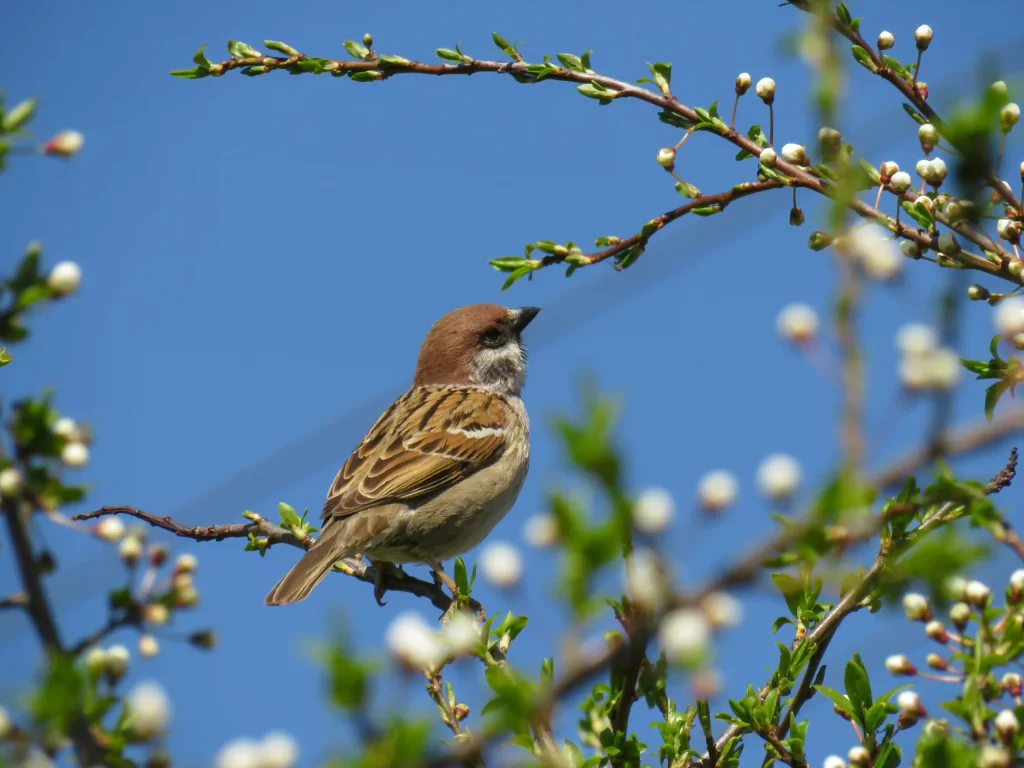
Across species and seasons, birds respond to three core conditions. These are not trends or preferences; they are biological necessities.
1. Predictable Food Sources
Birds rely on routine. When a food source appears and disappears randomly, it is treated as unreliable. Gardens that succeed in attracting birds tend to offer consistency rather than abundance. A modest feeding area that is maintained steadily will outperform a heavily stocked setup that changes location or schedule frequently.
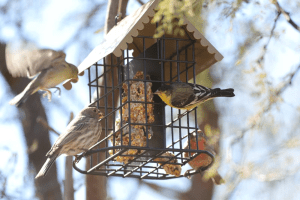
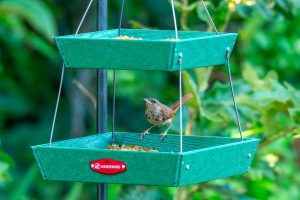
This predictability is why many gardeners eventually move toward well-designed feeding stations rather than improvised solutions. Simple, stable setups—such as thoughtfully placed kingsyard bird feeders—help establish that sense of reliability without constant adjustment or disruption.
2. Clear Visibility and Safe Distance
Birds prefer feeding areas that allow them to see what is happening around them. Dense foliage directly beside a feeding spot may look inviting, but it can increase perceived risk if predators could hide nearby. At the same time, completely open spaces leave birds feeling exposed.
The most successful gardens strike a balance: feeders placed within sight of shrubs or trees, but not pressed against them. This allows birds to feed confidently while keeping escape routes within reach.
3. Minimal Stress Signals
Loud movement, reflective surfaces, frequent rearranging, and sudden changes all register as stress signals. Birds may still pass through such spaces, but they are less likely to linger or return regularly.
Gardens that attract birds consistently tend to feel unchanging from a bird’s perspective, even if the gardener is actively maintaining them. The goal is not inactivity, but stability.
Why Gardens Outperform Wild Spaces for Birding
It may seem counterintuitive, but many birds find well-managed gardens more attractive than nearby wild areas—especially during transitional seasons.
Gardens offer:
- Concentrated food sources
- Reduced competition
- Familiar layouts
- Lower exposure to large predators
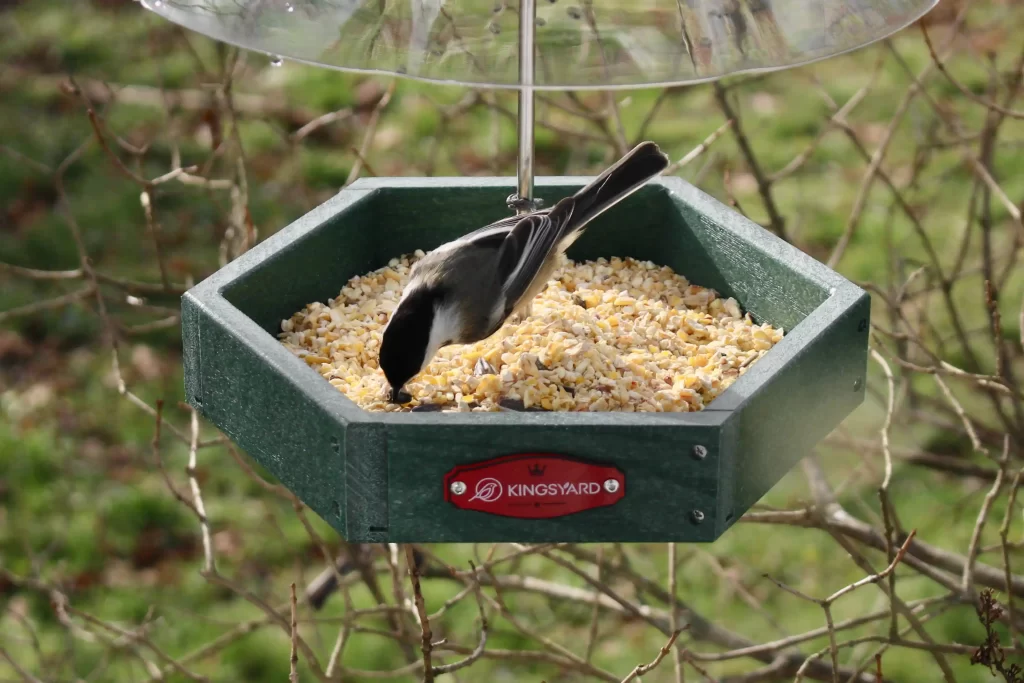
This is particularly true in suburban and semi-rural settings, where gardens act as predictable microhabitats within a larger, more chaotic environment.
Once birds learn that a garden meets their needs without unnecessary risk, they incorporate it into their daily movement patterns. At that point, attraction becomes habit.
The Role of Observation in Backyard Birding
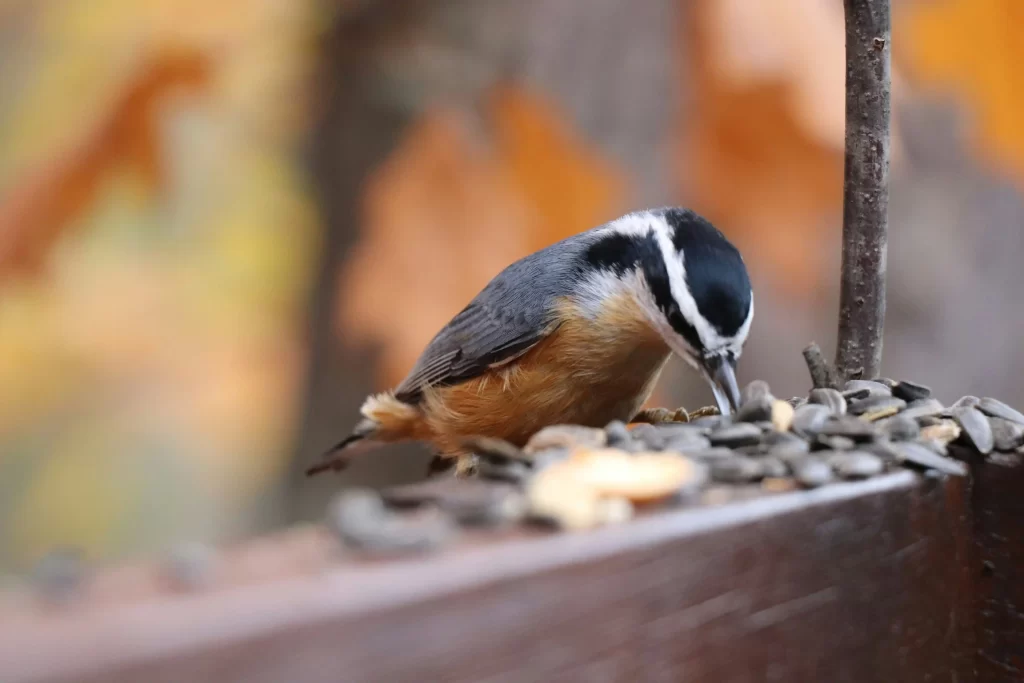
One of the most overlooked aspects of attracting birds is simply paying attention. Birds respond not only to physical features, but also to how a space changes—or doesn’t—over time.
Gardeners who observe patterns begin to notice subtle cues: which birds arrive first, how long they hesitate before feeding, and how seasonal shifts affect activity. These observations often lead to smarter decisions than any checklist or trend.
Backyard birding is not about forcing nature to comply. It is about recognizing how birds already behave and adjusting the environment accordingly.
Small Adjustments, Long-Term Impact
Many successful bird-friendly gardens didn’t start with grand plans. They evolved gradually through small, intentional changes: moving a feeder slightly, reducing unnecessary noise, or choosing designs that simplify maintenance rather than complicate it.
Over time, these choices create a space that feels dependable. Birds respond to that dependability by returning—not just once, but season after season.
This is why experienced birders rarely chase constant upgrades. Instead, they focus on maintaining what works.
Building the Right Foundation
Attracting birds is less about adding more and more elements, and more about aligning your garden with how birds naturally think. Food matters, but consistency matters more. Shelter matters, but visibility matters too. Activity matters, but calm matters most.
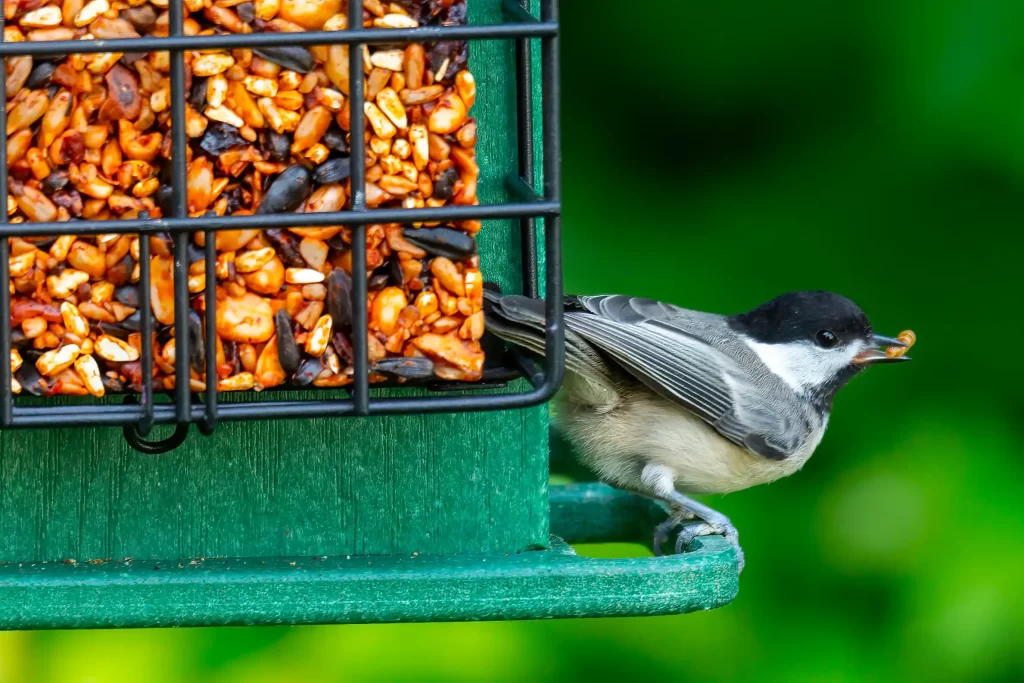
When those fundamentals are in place, everything else becomes easier. Feeders are used more confidently. Species diversity increases. Observation becomes more rewarding.
Backyard birding begins not with equipment, but with understanding. And once that understanding is in place, the garden becomes more than a space—it becomes part of a living rhythm that birds recognize and trust.
You may also want to check:

Post Comment