Small Garden Changes Birds Seem to Notice Immediately
Garden changes often feel subtle from a human perspective. Moving a feeder slightly, trimming back a shrub, or adjusting where water sits may seem insignificant. Birds, however, operate on a different scale. What looks minor to us can instantly alter how safe, useful, or predictable a space feels to them.
Because birds rely on memory and pattern recognition to survive, they notice environmental shifts quickly. Some changes draw them in almost immediately. Others prompt hesitation. Paying attention to these reactions reveals just how precisely birds read a garden.
Changes That Clarify Space Get a Fast Response
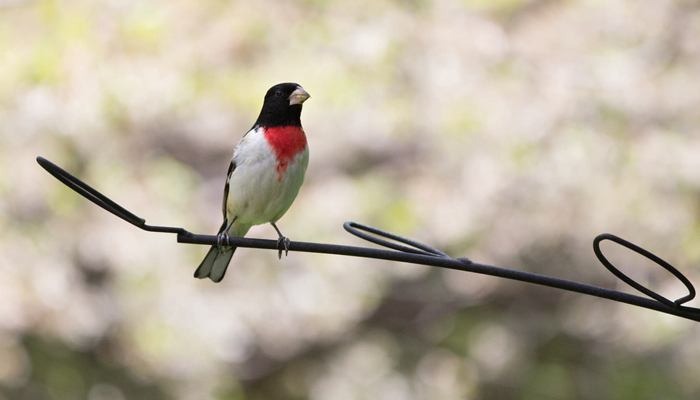
Birds respond quickly when a garden becomes easier to interpret. Clear sightlines, familiar perches, and unobstructed movement paths reduce uncertainty. Even small adjustments—like opening a narrow gap between shrubs or removing a low branch that blocks visibility—can change how confidently birds move.
When these changes occur, birds often arrive more directly. They spend less time circling or pausing at a distance. Feeding becomes calmer, and perches are used more frequently. These responses suggest that birds aren’t reacting to novelty, but to clarity.
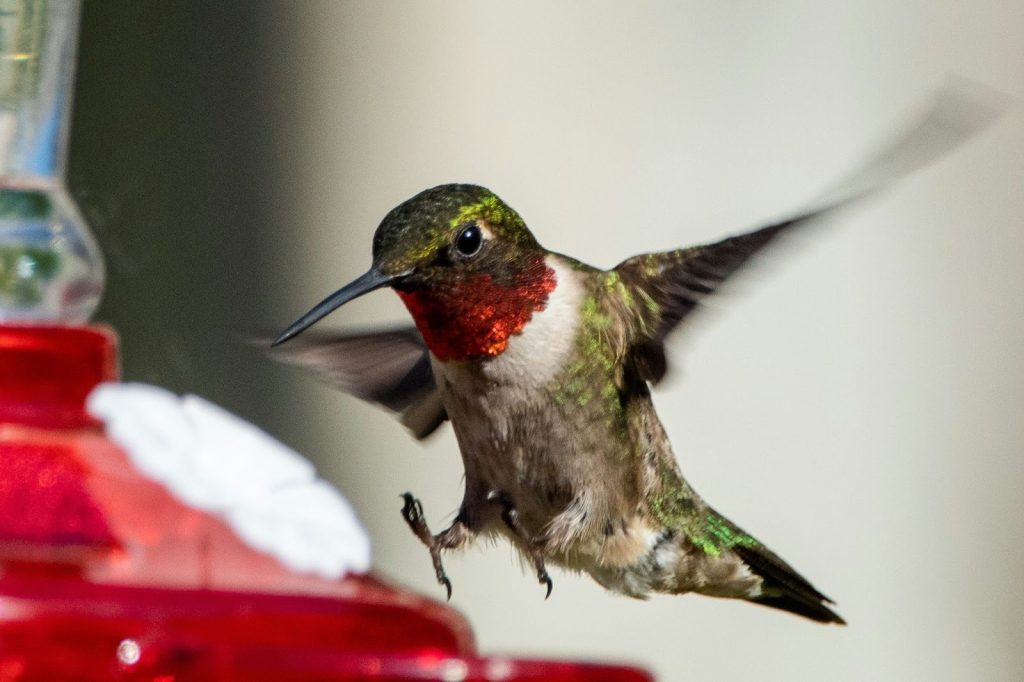
Gardens that feel readable allow birds to assess risk quickly. Once that assessment becomes easier, hesitation drops almost immediately.
Disruptions Are Noticed as Fast as Improvements
Just as birds recognize helpful changes, they also notice disruptions. Moving a familiar object, altering a routine, or introducing reflective or noisy elements can reset trust faster than expected.
You may notice birds approaching more cautiously after a change, or avoiding an area they previously used comfortably. This reaction isn’t fear—it’s recalibration. Birds are re-evaluating whether the space still behaves the way they remember.
What’s striking is how quickly this happens. Birds don’t need repeated negative experiences to adjust. A single unexpected shift can prompt immediate caution, especially during seasons when energy and safety are closely balanced.
Predictable Adjustments Build Confidence
Not all change causes disruption. When adjustments align with existing patterns, birds often adapt smoothly. Adding a new perch near an established feeding area, introducing a water source along a familiar route, or slightly extending a sheltered zone tends to draw quick interest.
Birds approach these changes experimentally at first. They observe, test, and then incorporate them into their routine if nothing feels off. Once accepted, the new feature often becomes part of their regular circuit.
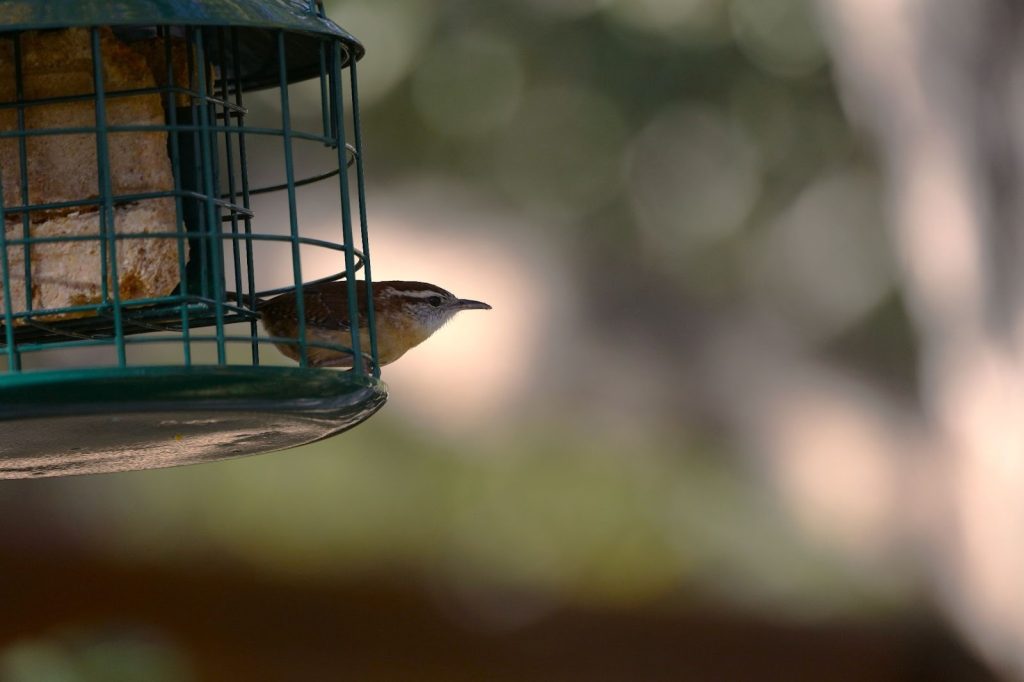
This is why incremental, predictable changes tend to succeed. Birds aren’t resisting improvement—they’re assessing stability. When the environment continues to behave consistently, confidence follows.
Immediate Reactions Reveal Long-Term Preferences
The most useful insight small changes offer isn’t whether birds like something, but how they decide. Their immediate reactions—approach, hesitation, retreat, or calm engagement—offer real-time feedback about what matters most to them.
By noticing these responses, gardeners begin understanding which elements support trust and which introduce uncertainty. Over time, this awareness shapes better decisions, not through guesswork, but through observation.
Birds don’t need time to notice change. They notice instantly. What takes time is learning which changes help them feel at home—and which ones quietly ask them to reconsider.
You may also want to read:
- Best Heated Bird Baths for Winter: Keep Water Flowing in Freezing Weather
- 10 Fall Birding Challenges to Try This Season
- DIY Fall Bird Treats: Homemade Suet, Seed Cakes & Peanut Butter Feeders
- Native Plants That Feed Birds in Fall and Winter
- Fall Sparrows and Juncos at Your Feeder: A Backyard Identification Guide

Post Comment