Signs Birds Are Already Familiar With Your Backyard
Table of Contents
Many gardeners assume they would know if birds felt at home in their backyard. They expect obvious signs—constant activity, loud calls, or a feeder that empties overnight. In reality, familiarity looks much quieter than most people imagine.
Birds don’t announce trust. They reveal it through subtle, repeatable behaviors that are easy to miss unless you slow down and watch closely. If you’ve ever wondered whether birds see your backyard as a reliable part of their daily routine—or just a place they pass through—there are clear signs that tell the story.
They Arrive Without Hesitation
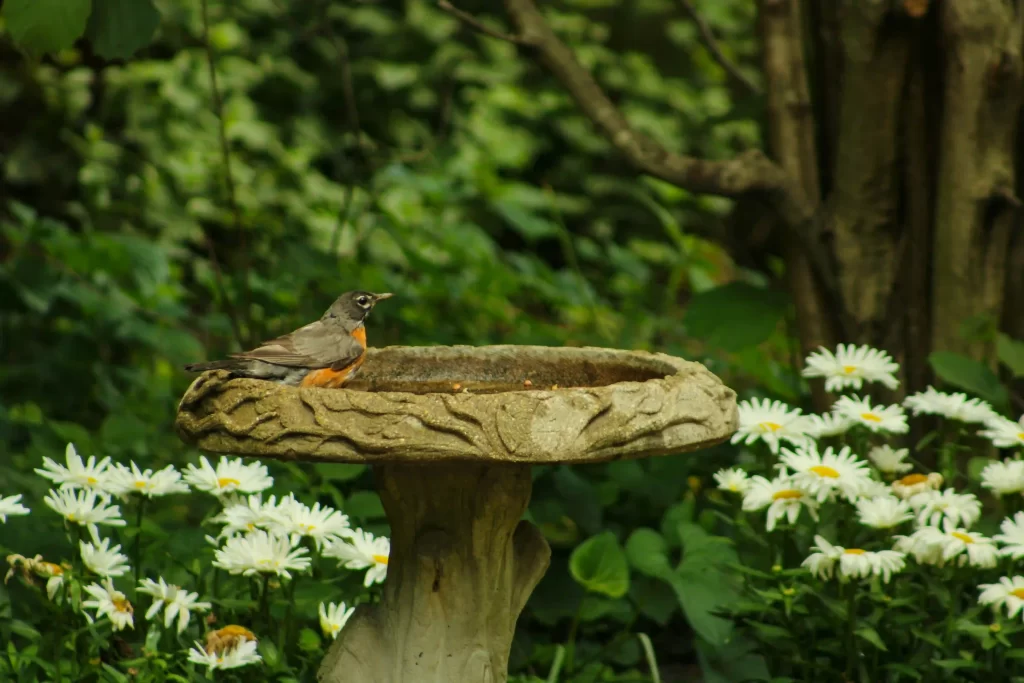
One of the earliest indicators of familiarity is how birds enter your space. Birds that are still assessing a yard tend to arrive cautiously, perching at a distance and scanning for long stretches before moving closer.
When birds are already familiar with your backyard, that hesitation fades. You may notice them flying directly to known perches, feeders, or branches without circling first. This behavior suggests they already understand the layout of the space—where food is, where cover exists, and where danger is unlikely to appear.
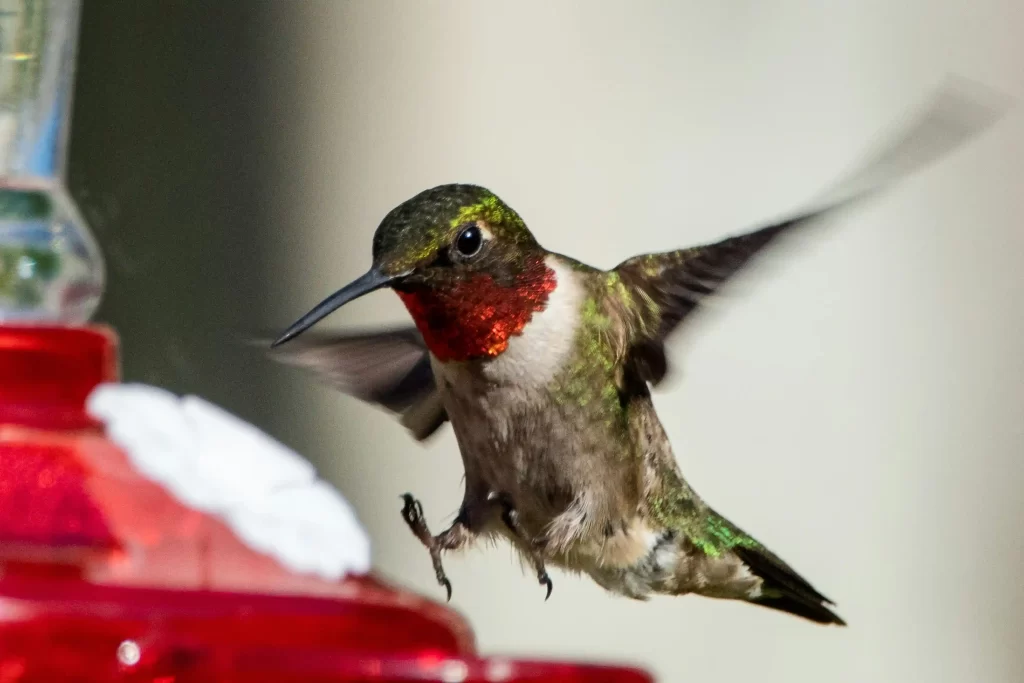
This confidence doesn’t develop overnight. It is built through repeated, uneventful visits that reinforce the idea that your backyard is predictable and safe.
They Use the Same Perches Repeatedly
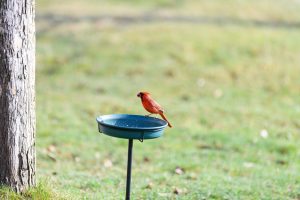
Birds are creatures of habit. Once they identify a reliable perch, they will return to it again and again. These perches often serve as observation points where birds pause briefly before feeding or moving deeper into the garden.
If you notice birds consistently landing on the same fence rail, branch, or feeder arm, that repetition is meaningful. It indicates familiarity not just with the object itself, but with what it offers: visibility, safety, and a known escape route.
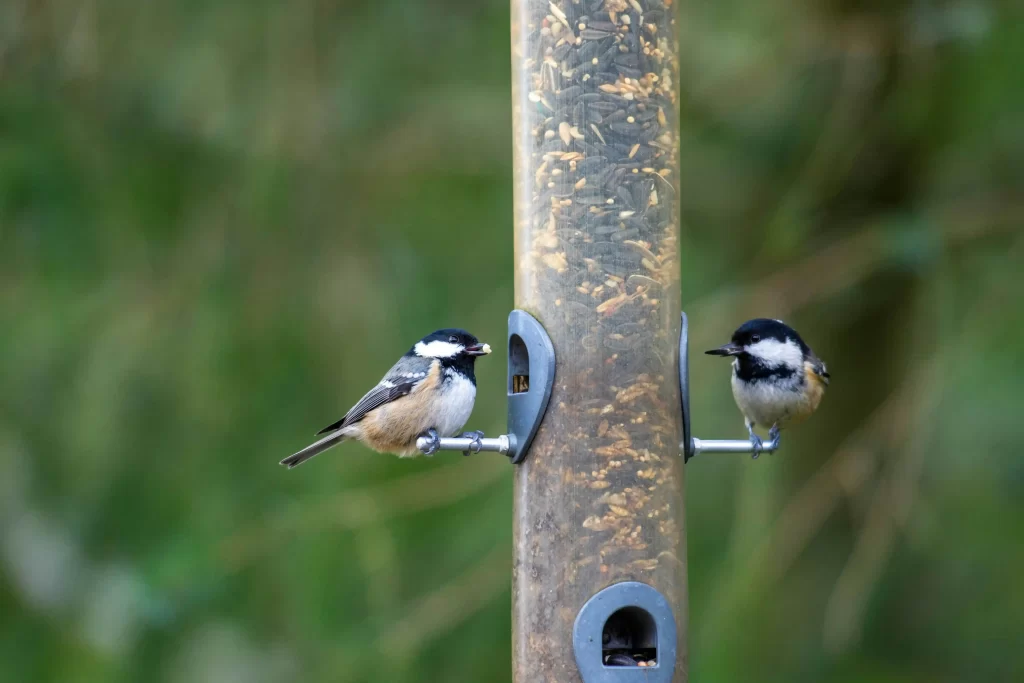
Over time, these preferred perches become part of the birds’ mental map of your backyard.
They Feed Quickly and Calmly
New or uncertain birds feed nervously. They grab food and leave immediately, often startled by small movements or sounds. Familiar birds behave differently.
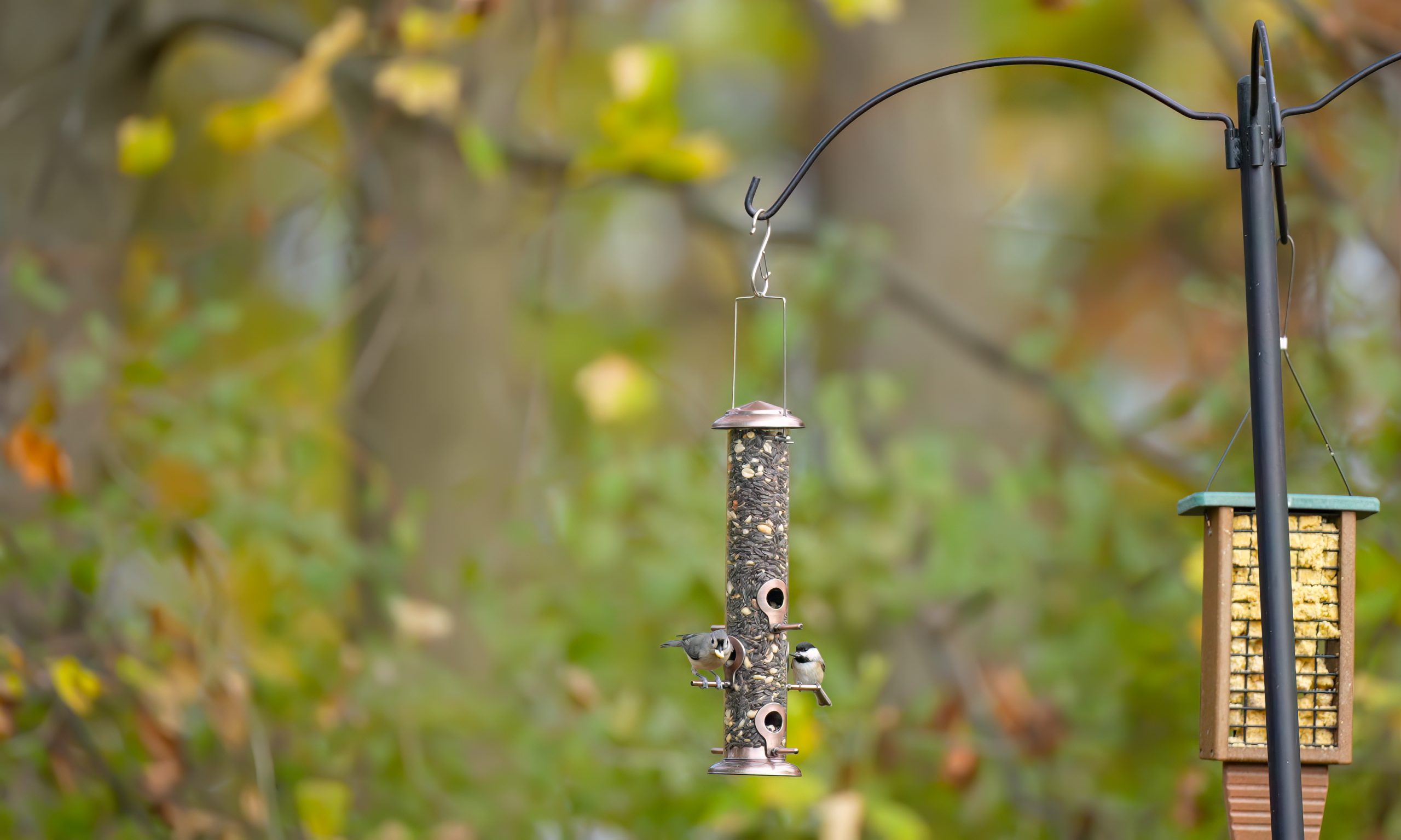
When birds feel at ease, they spend more time feeding. Their movements slow. They adjust their footing. Some species will even pause between bites, scanning casually rather than urgently. This calm feeding behavior is one of the strongest indicators that birds trust the environment.
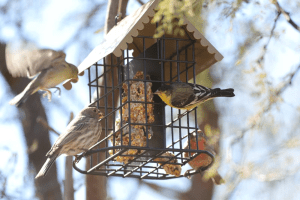
You may also notice multiple birds feeding in close succession, rather than one at a time. This suggests that the space has been evaluated and accepted as low-risk.
They Appear at Predictable Times
Birds operate on rhythms shaped by light, temperature, and food availability. When your backyard becomes part of that rhythm, visits start to follow a pattern.
You might notice certain species arriving at similar times each morning or returning consistently in the late afternoon. This regularity means your backyard has been integrated into their daily route, not just encountered by chance.
At this stage, birds are no longer reacting to what they find—they are expecting it.
They Remain After Disturbances
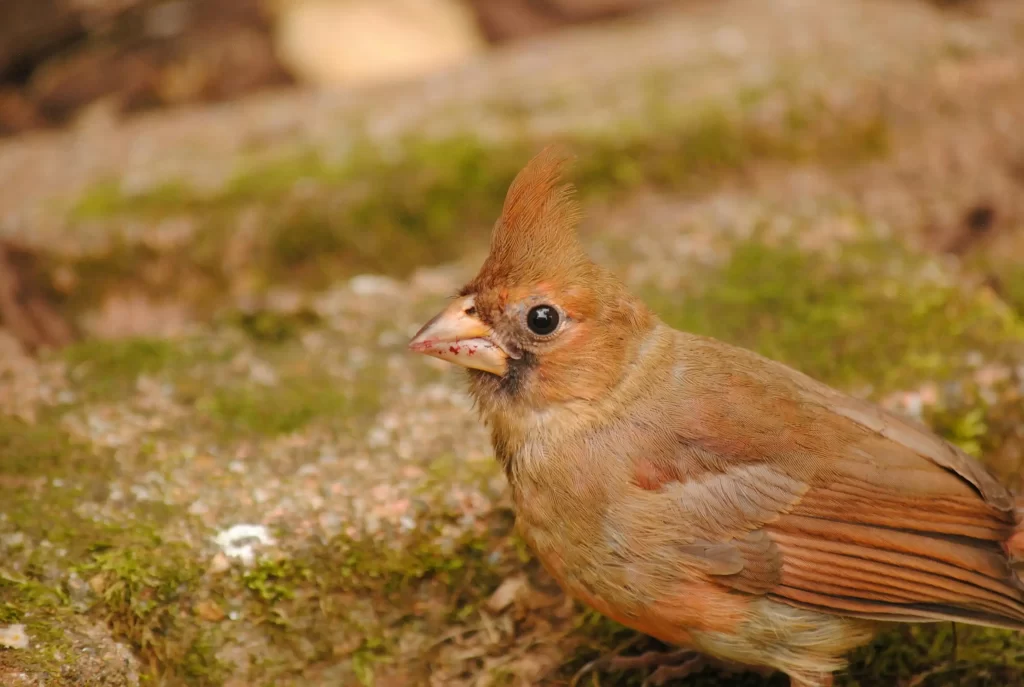
A sudden noise or movement will always catch a bird’s attention. The difference lies in what happens next. Birds that are unfamiliar with a space often flee completely and may not return for hours—or at all.
Familiar birds behave differently. They may fly to nearby cover, wait briefly, and then return once things settle. This response indicates confidence in the overall safety of the area, even when temporary disturbances occur.
It’s an important distinction: fear triggers flight, but trust allows return.
They Begin Exploring Beyond Feeding Areas
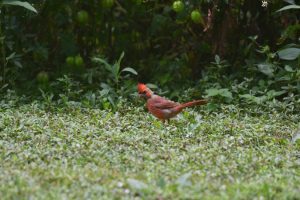
Once birds feel comfortable, their behavior expands. They start using other parts of the backyard, not just the feeding zone. You may notice them hopping through garden beds, inspecting shrubs, or foraging on the ground beneath trees.
This exploration shows that birds see your backyard as more than a single resource. It has become a small habitat—one worth investigating beyond immediate needs.
This is often when gardeners begin spotting species they hadn’t seen before, drawn by the activity of birds that already feel at home.
They Ignore Minor Human Presence
Birds that are still assessing a space react strongly to people. Even slow movement can cause them to scatter. As familiarity grows, that reaction softens.
Birds may continue feeding while you move inside the house, water plants nearby, or sit quietly outdoors. They remain alert, but not alarmed. This tolerance doesn’t mean birds have become careless—it means they’ve learned which human behaviors pose no threat.
This level of comfort is a strong sign that your backyard feels stable and non-hostile.
They Return Across Seasons
Perhaps the most meaningful sign of familiarity is seasonal return. When birds disappear and then reappear months later—often using the same perches and patterns—it confirms that your backyard has been stored in memory.
Seasonal visitors that return are not rediscovering your space from scratch. They are resuming a known relationship with it. This long-term recognition is what transforms a garden from a temporary stop into a trusted part of the landscape.
Familiarity Is Built, Not Bought
It’s tempting to believe that attracting birds is about adding the right feature or product. In truth, familiarity develops through consistency: steady food availability, minimal disruption, and a layout that doesn’t change constantly.
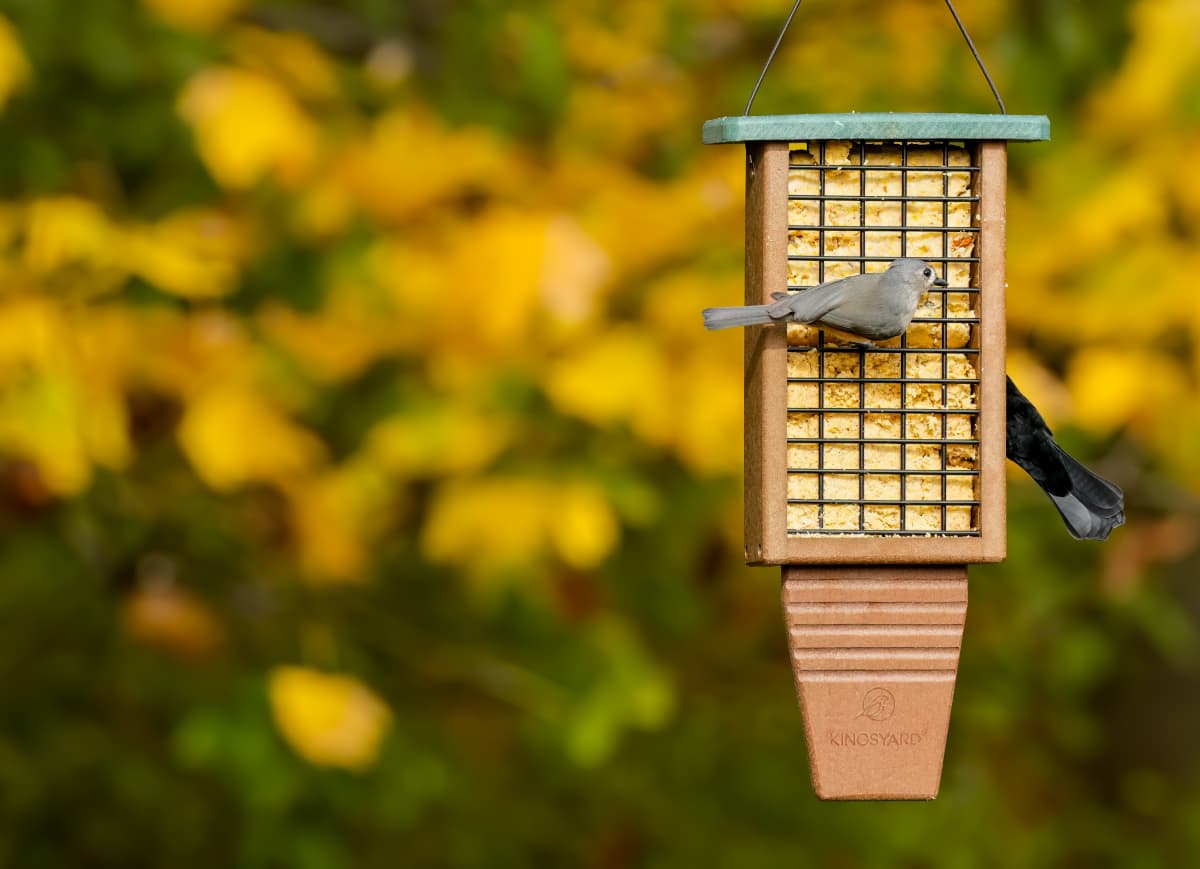
Well-designed feeding setups—such as thoughtfully placed kingsyard bird feeders—can support this process by reducing maintenance disruptions and keeping feeding locations predictable. But no single object creates trust on its own. Trust grows when the environment behaves the same way, day after day.
Learning to Read the Quiet Signs
Birds rarely make their comfort obvious. They communicate it through calm movement, repeated choices, and the absence of alarm. Once you learn to recognize these signs, backyard birding becomes less about waiting for spectacle and more about understanding presence.
When birds are familiar with your backyard, they don’t perform for you. They simply live there—briefly, quietly, and on their own terms. And that quiet acceptance is the clearest sign that your garden has become part of their world.
You may also want to read:

Post Comment