Getting Your Garden Ready for Spring Bird Activity
Spring doesn’t arrive all at once for birds. Long before gardens burst into color or insects reappear in force, subtle shifts begin to ripple through the landscape. Days grow slightly longer. Temperatures fluctuate. Birds that moved quietly through winter start behaving differently—more alert, more assertive, more present.
For gardeners who pay attention, this transition period offers an opportunity. Getting a garden ready for spring bird activity isn’t about adding new features or making dramatic changes. It’s about recognizing what birds are already responding to and allowing the space to meet those expectations smoothly.
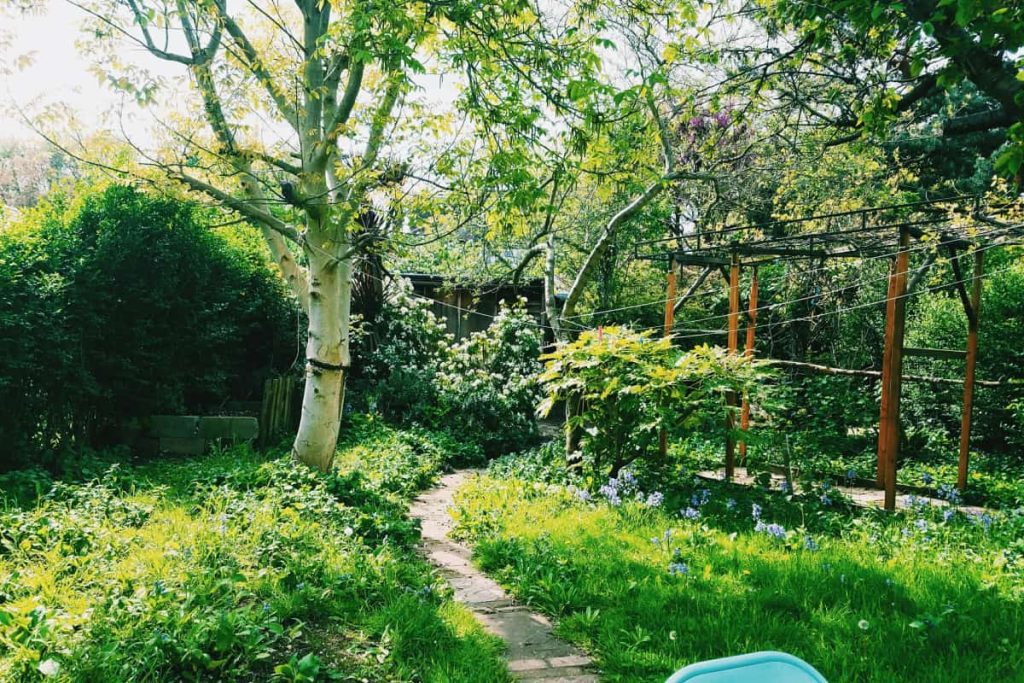
Early Spring Is a Period of Adjustment, Not Abundance
Before spring feels abundant, it feels uncertain. Birds returning from winter routines or migration are reassessing familiar spaces. They are looking for signs that a garden still behaves the way they remember—or that it has improved rather than changed unpredictably.
During this phase, birds move more often but stay for shorter periods. They watch longer before feeding. They test boundaries that felt settled in winter. These behaviors aren’t signs of dissatisfaction; they’re part of recalibration.
Gardens that remain calm and readable during this period tend to retain bird trust. Spaces that shift too quickly—new placements, frequent rearranging, sudden increases in activity—can slow that process by forcing birds to reassess more often than necessary.
Spring Activity Exposes Weak Spots in a Garden
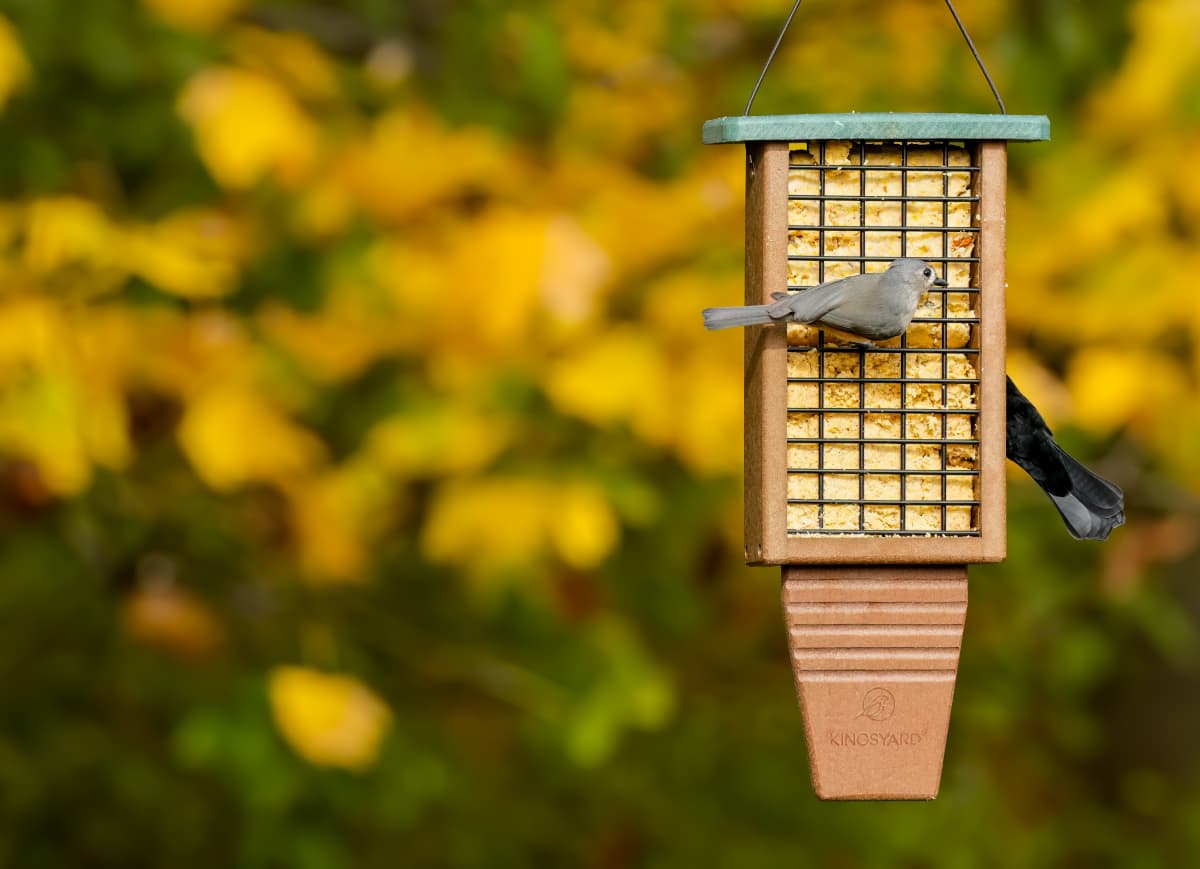
As bird numbers increase, gardens begin revealing which elements truly support use and which merely looked appealing during quieter months. Feeding areas that felt spacious in winter may become crowded. Perches that worked for a few birds may no longer accommodate higher traffic.
This is often when subtle friction appears. Birds hesitate. Dominant individuals linger longer. Others wait at a distance. These moments are informative. They point to where space feels unclear or contested rather than insufficient.
If you’re interested in how backyard spaces influence bird activity throughout the year, you might also enjoy reading our guide on how feeder placement changes bird behavior in a garden.
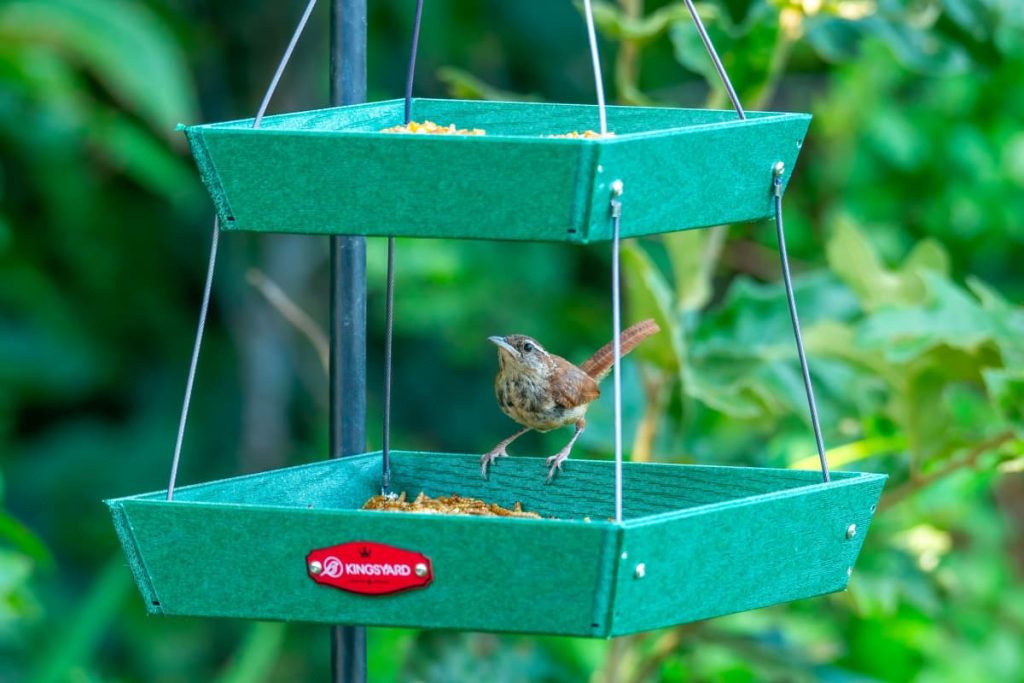
Consistency Sets the Tone for the Season Ahead
Perhaps the most important preparation for spring bird activity is maintaining consistency. Birds rely heavily on memory, especially during periods of change. When feeding locations, sightlines, and surrounding conditions remain familiar, birds transition more confidently into spring routines.
This doesn’t mean a garden should remain static. It means changes should feel incremental rather than abrupt. Adding clarity, improving access, or reinforcing shelter works best when it builds on what birds already trust.
By the time spring activity peaks, gardens that respected this transitional period often feel effortlessly busy. Birds arrive with purpose, feed calmly, and move through the space with familiarity rather than caution.
Spring rewards gardens that prepared quietly. And the readiness birds recognize isn’t created in a weekend—it’s built through steady behavior during the weeks when attention matters most.
Kingsyard designs practical bird feeders and houses made for everyday backyards. Explore simple, durable solutions that help you enjoy birdwatching a little more, season after season.


Post Comment