What You Notice When You Start Paying Attention to Birds in Winter
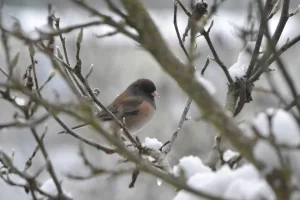
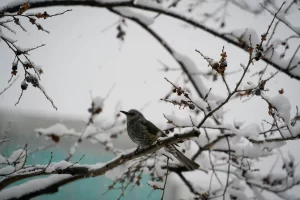
Winter rarely feels like the season to begin birdwatching. Gardens look quieter, colors fade, and many of the sounds that define spring seem to disappear. At first glance, it’s easy to assume birds have moved on. But when you slow down and begin paying closer attention, winter reveals something different. Birds haven’t vanished — they’ve become more deliberate, and easier to understand.
With fewer visual distractions, bird behavior stands out more clearly. Movements feel purposeful. Patterns repeat. What once blended into the background starts to feel surprisingly present, turning winter into one of the most revealing seasons for observing how birds actually live.
When Sound Fades, Behavior Becomes Clearer
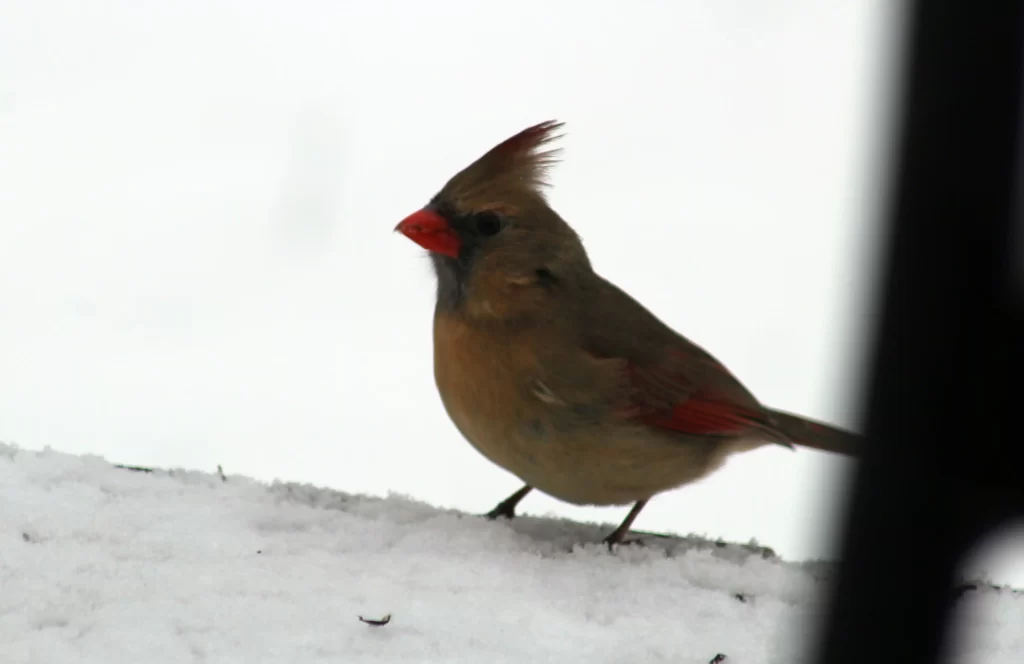
One of the first changes people notice in winter is the quiet. Many birds sing less once breeding season ends, and mornings can feel still. But silence doesn’t mean inactivity. Birds simply shift how they signal their presence.
Instead of song, movement becomes the primary cue. Short, efficient flights between trees. Quick hops along fences. Sudden flurries of wings when a small group arrives together. In winter, birds rarely move without reason. Energy is limited, and every action reflects a decision shaped by weather, safety, and necessity.
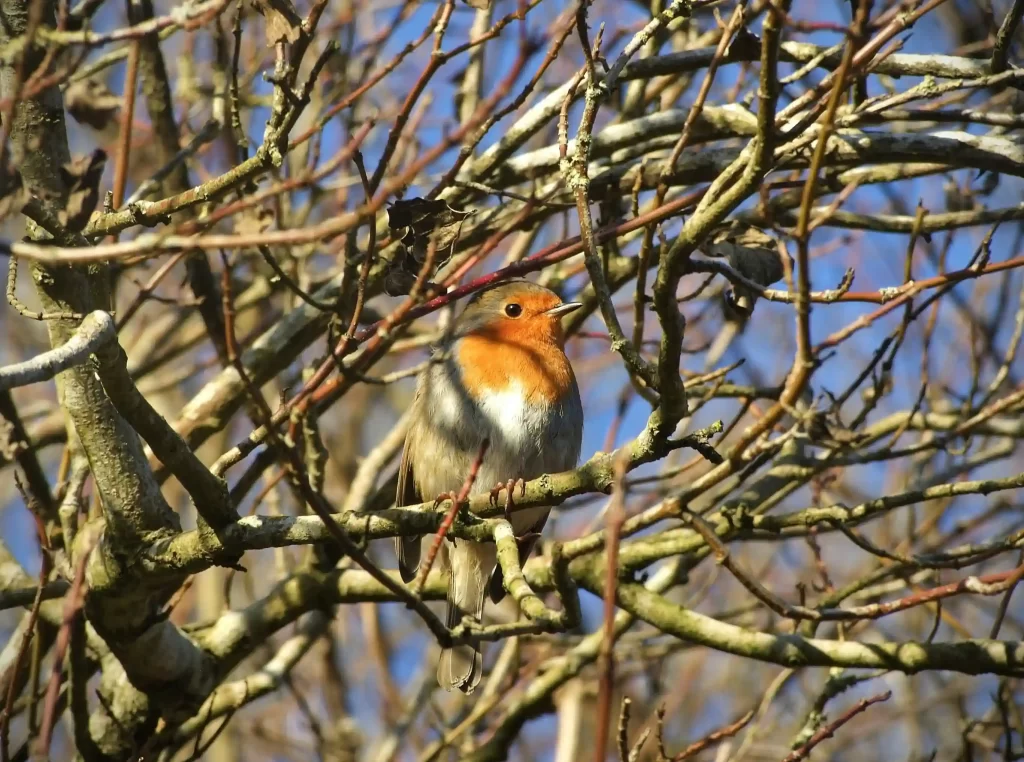
Once you begin watching for movement rather than listening for sound, the garden no longer feels empty. It feels intentional.
Feeding Turns From Casual to Strategic
Cold weather reshapes how birds approach food. During warmer months, feeding often looks relaxed. Birds linger, socialize, and move freely between spots. Winter sharpens that behavior.
You may notice birds approaching more cautiously, feeding quickly, and leaving sooner than expected. Some arrive early each day, clearly following routine. Others wait nearby until conditions feel right. These patterns are not random. They reflect a constant balance between conserving energy and avoiding risk.
Over time, you start recognizing differences between individuals — which birds feed briefly but often, which commit for longer stretches, and how weather shifts influence timing. Winter feeding isn’t about abundance. It’s about efficiency and consistency.
Winter Reveals the Social Side of Survival
Another change that becomes easier to spot in winter is how birds group together. Species that often keep their distance during warmer months may travel in mixed flocks once temperatures drop.
Chickadees, nuthatches, finches, and sparrows often move through trees and shrubs as loose units. This cooperation isn’t social in the human sense — it’s practical. More eyes mean earlier warnings. Shared movement reduces risk. Once you notice these flocks, winter gardens feel less quiet and more layered, filled with subtle coordination.

At the same time, fewer birds overall make it easier to notice individuals. One bird always approaches from the same direction. Another prefers the ground beneath a particular shrub. A third hesitates longer than the rest before feeding. These repeated habits turn anonymous wildlife into familiar presences.
Winter Shows What a Garden Really Offers
Without dense foliage or seasonal color, winter reveals which parts of a garden genuinely function as habitat. Birds gravitate toward spaces that offer reliability — clear sightlines, nearby shelter, and dependable food sources. Areas that looked appealing in summer may fade into the background, while simpler setups suddenly become central.
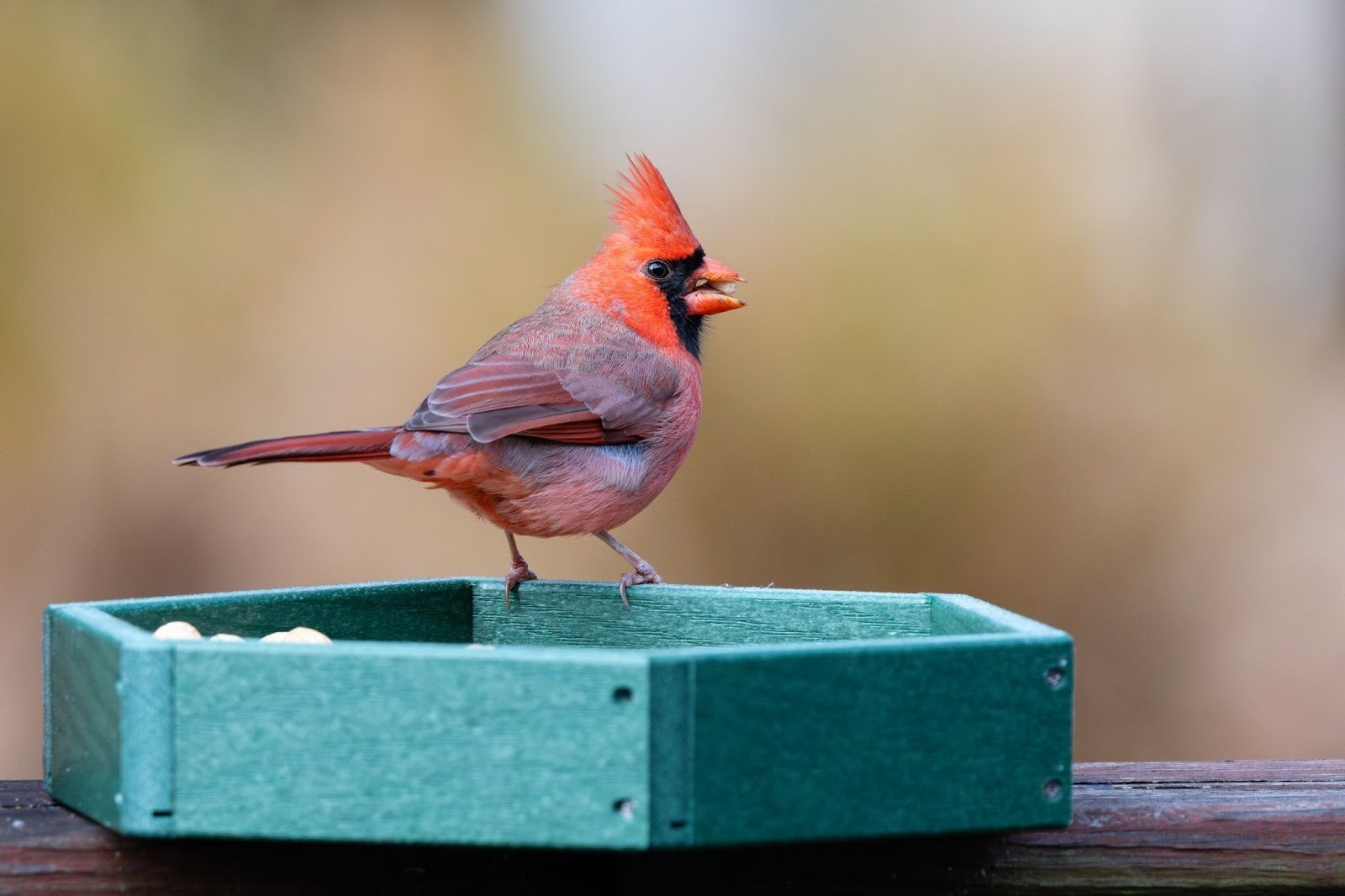
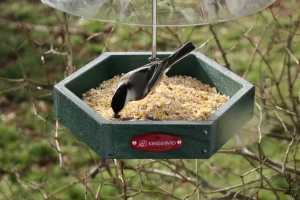
This is often when gardeners realize that consistency matters more than abundance. Stable feeding areas, supported by dependable setups such as kingsyard bird feeders, become anchors in an otherwise sparse landscape. Winter doesn’t reward novelty. It rewards predictability.
Perhaps the most unexpected shift happens to the observer. With fewer distractions, you linger longer at windows. You move more deliberately outdoors. You notice small details — a pause before flight, the tilt of a head, the sound of claws against bark.
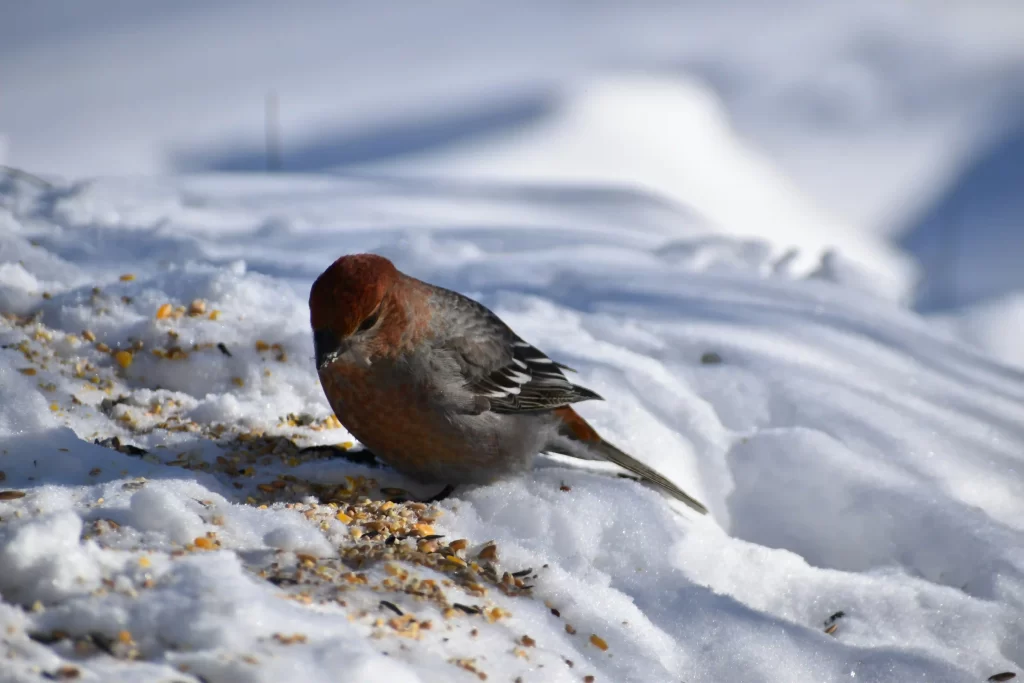
Winter birdwatching doesn’t offer spectacle. It offers clarity. Birds don’t perform; they persist. And by paying attention during the quietest season, you begin seeing birds — and your garden — with a deeper understanding that carries into every season that follows.
You may also want to read:

Post Comment