Where Feeders Actually Work Best in a Garden (And Why)
Ask a group of gardeners where bird feeders should go, and you’ll get a wide range of answers. Near a window. Close to trees. Far from predators. In the shade. In the open. Most of these suggestions aren’t wrong—but they’re incomplete.
What birds respond to isn’t a single “correct” spot. It’s how a feeder fits into the logic of the garden as a whole. When feeders work well, it’s not because they’re perfectly placed by human standards, but because they align with how birds move, watch, and make decisions.
Birds Choose Feeders Based on Context, Not Convenience
From a bird’s perspective, a feeder is never evaluated in isolation. Its value depends on what surrounds it. A feeder filled with food but placed in a confusing or exposed area will be approached cautiously, if at all. Meanwhile, a modest feeder positioned within a familiar, readable space can become a daily stop.
Birds look first for clarity. Can they see what’s around them while feeding? Are there obvious escape routes? Is the approach predictable? Feeders placed where birds can observe before committing—often near open sightlines with nearby, but not crowded, cover—tend to see the most consistent use.
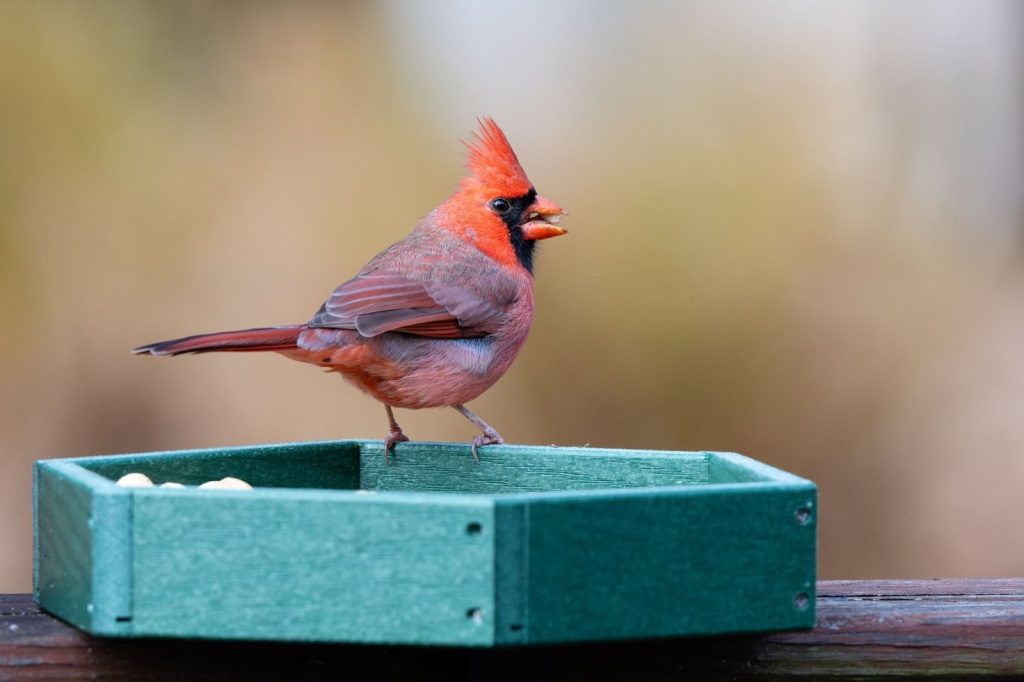
This is why feeders tucked deep into dense shrubs often underperform. While they may feel “protected” to us, birds may see them as risky, with limited visibility and fewer clean exits.
The Best Locations Follow Natural Movement Paths
One of the most overlooked factors in feeder placement is how birds already move through a garden. Birds don’t wander randomly. They follow habitual routes between trees, shrubs, fences, and open ground.
Feeders that intersect these natural paths work better because they don’t require birds to change their behavior dramatically. Instead of detouring into unfamiliar territory, birds simply pause along a route they already trust.
You can often identify these paths by watching where birds land repeatedly, even when no food is present. These perches—fence rails, low branches, or the same section of lawn—reveal how birds navigate the space. Feeders placed near these points tend to integrate smoothly into existing routines.
Distance Matters More Than Direction
Many gardeners focus on orientation: north-facing versus south-facing, sun versus shade. While these details can matter, distance often matters more.
Feeders work best when they are close enough to shelter to feel safe, but far enough to prevent ambush. Too close to thick cover, and birds hesitate. Too far into open space, and they feel exposed. The most successful placements often sit in that middle ground—within a short, direct flight to cover, without being hidden inside it.
This balance allows birds to feed calmly while maintaining awareness. Over time, you may notice that birds linger longer, arrive more directly, and return more frequently when this distance feels right.
Stability Builds Confidence Over Time
Perhaps the most important factor in where feeders work best isn’t the initial placement—it’s what happens afterward. Birds rely heavily on memory. Once they learn where a feeder is and how it behaves, they expect consistency.
Feeders that are moved frequently, even slightly, force birds to reassess. That reassessment can temporarily reduce visits, especially during colder months or seasonal transitions when energy matters most.
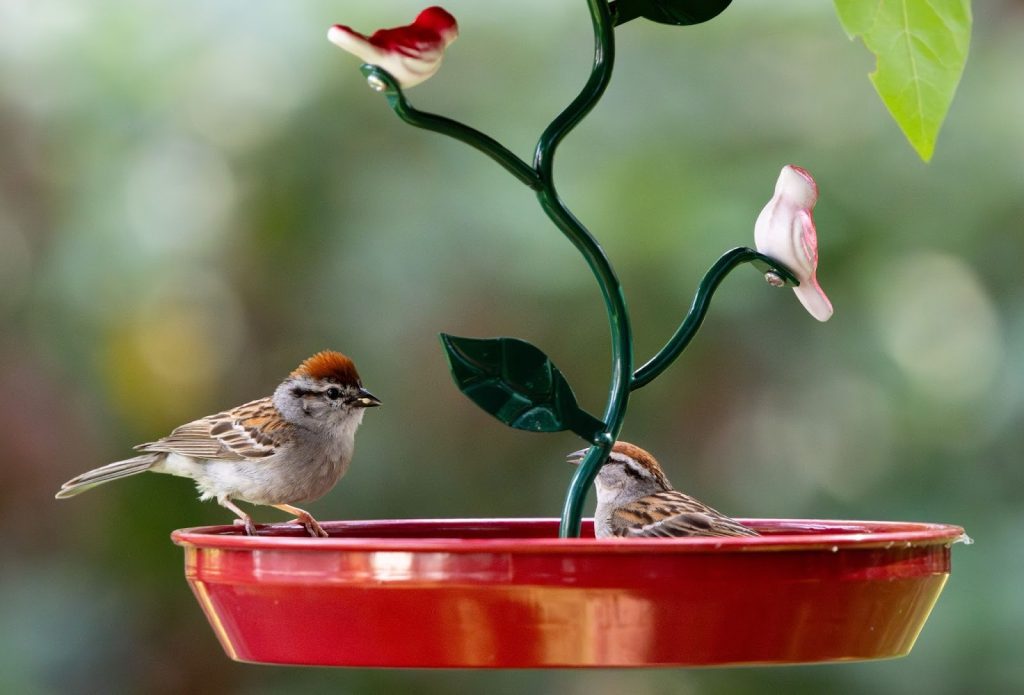
Gardens that feel stable—where feeders remain in familiar locations and the surrounding space doesn’t change abruptly—tend to see smoother, more confident use. Over time, birds stop treating the feeder as an object and start treating it as part of the landscape.
Why “Best” Is Always Relative
There is no universal best spot for a feeder. What works depends on the size of the garden, existing vegetation, human activity, and even the time of year. But birds are remarkably consistent in how they evaluate space.
They look for clarity over convenience, familiarity over novelty, and predictability over abundance. When feeder placement respects those priorities, birds respond quickly—and often without fanfare.
The most reliable sign that a feeder is working well isn’t how much food disappears. It’s how comfortably birds use the space around it. Calm feeding, direct approaches, and repeated visits all suggest that the location makes sense to them.
In the end, the best place for a feeder is where it fits naturally into the rhythm birds have already chosen. And once you start watching for that rhythm, placement decisions become far easier—and far more effective.
You may also like to read:


Post Comment