Why Birds Watch Your Garden Longer Than You Think
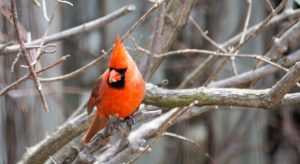
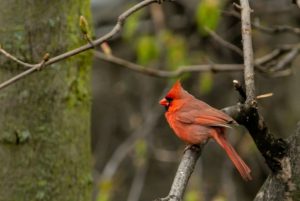
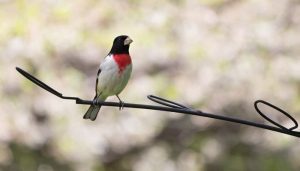
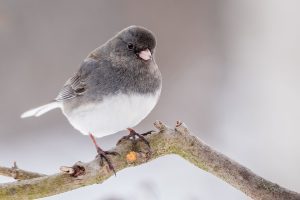
It’s easy to assume birds visit a garden only to eat. They arrive, grab food, and leave—or so it seems. But if you spend enough time quietly observing, you’ll notice something else happening. Birds often linger far longer than necessary, perched nearby, scanning their surroundings, appearing to do nothing at all.
That waiting is not accidental. It’s one of the most important parts of how birds decide whether a garden is worth returning to.
Watching Is How Birds Gather Information
Birds don’t experience gardens the way people do. They don’t arrive with trust or curiosity. They arrive with caution. Before feeding, landing, or moving deeper into a space, birds gather information.
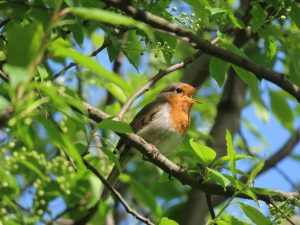
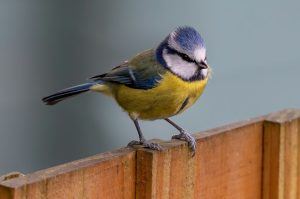
A pause on a fence, a branch, or the edge of a roof allows a bird to assess what has changed since the last visit. Is the environment behaving the same way it did before? Are there unfamiliar movements, sounds, or reflections? Has anything disrupted the patterns it remembers?
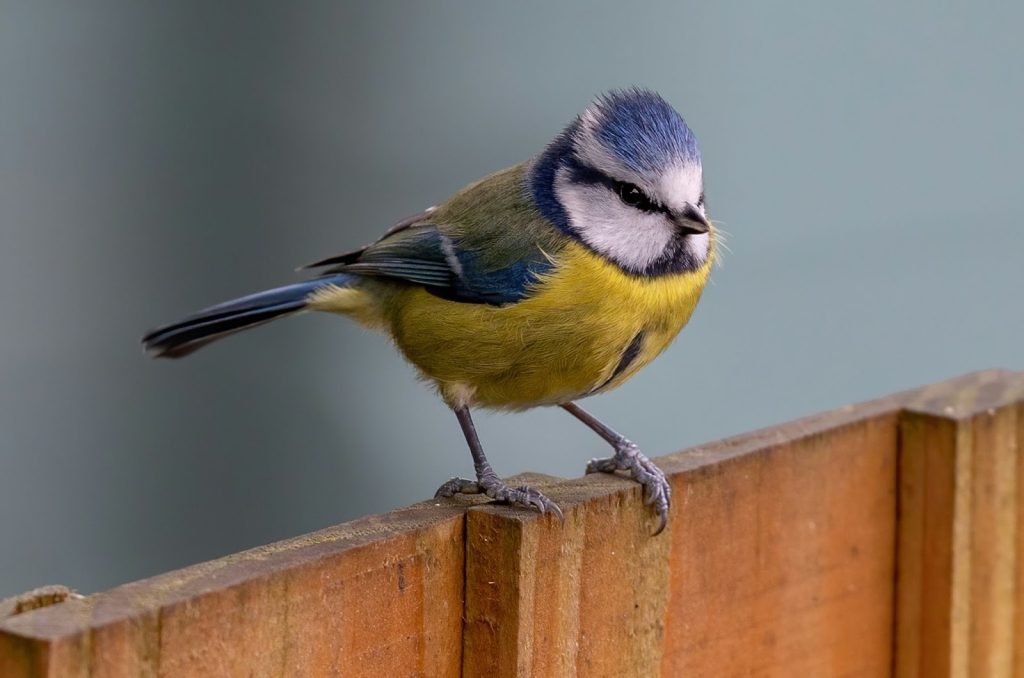
What looks like hesitation is often analysis. Birds are updating their mental map of the space. The longer they watch, the more confident they become that nothing unexpected is about to happen.
Stillness Signals Safety More Than Activity
Many gardeners believe birds are drawn to active spaces—movement, sound, visual interest. In reality, birds are far more sensitive to stillness.
When a bird watches your garden, it’s not just scanning for predators. It’s measuring consistency. Gardens that remain visually calm, where objects don’t shift suddenly and routines feel predictable, invite longer observation.
You may notice birds perching quietly even when food is clearly available. This isn’t indecision; it’s confirmation. Once the environment passes that test, feeding becomes relaxed and repeat visits follow.
Gardens that feel stable encourage birds to spend more time watching, which in turn leads to deeper familiarity.
Watching Helps Birds Coordinate With Each Other
Birds rarely make decisions alone. Even solitary species often rely on the presence and behavior of others to judge safety. When one bird pauses and watches, others often follow suit.
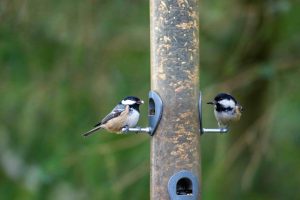
This shared observation allows birds to coordinate without communication. If one bird feeds calmly and nothing happens, others are more likely to move in. If one bird startles or retreats, the message spreads quickly.
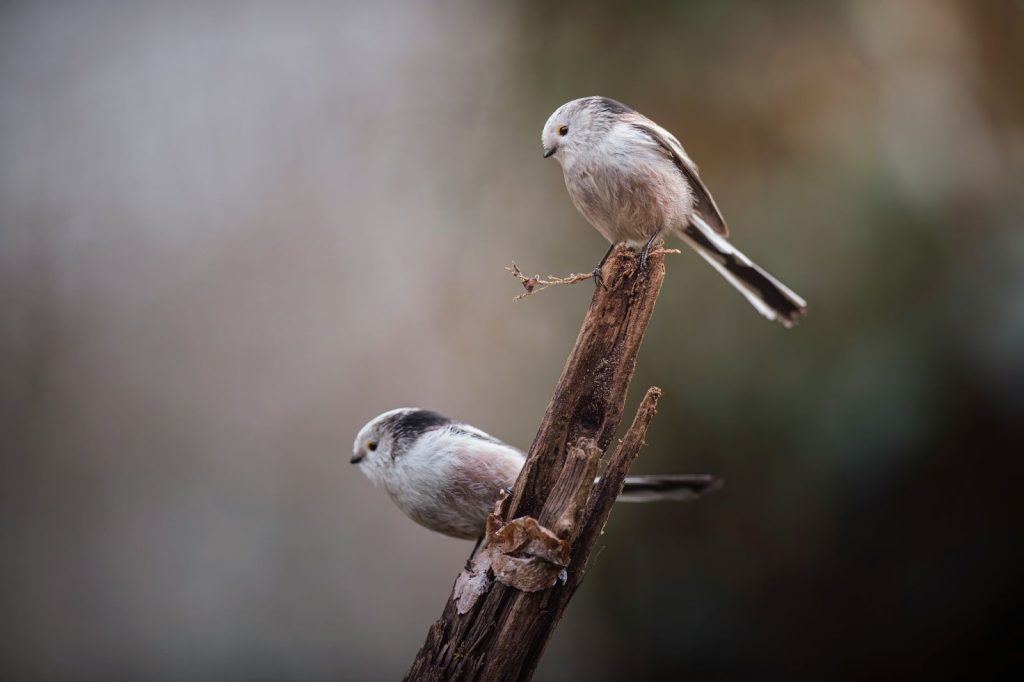
The longer birds watch your garden, the more information they exchange indirectly. Over time, this collective assessment turns a space from uncertain to trusted.
Time Spent Watching Predicts Long-Term Use
One of the clearest signs that birds are beginning to trust a garden isn’t how often they feed—it’s how long they stay nearby without feeding at all. Watching without urgency suggests that the space has become familiar enough to allow patience.
As days pass, these pauses often shorten. Birds arrive more directly. They spend less time scanning and more time using the space. What began as observation turns into routine.
Birds don’t rush trust. They build it quietly, one moment of watching at a time.
The Value of Paying Attention to the Pause
For gardeners, these moments of stillness are easy to overlook. We tend to notice action, not wait. But watching birds watch your garden tells you far more than watching them eat.
Those quiet pauses reveal how birds perceive safety, stability, and change. And once you begin noticing them, you’ll see that birds are evaluating your garden constantly—long before they ever decide to stay.
In birding, what looks like nothing happening is often when the most important decisions are being made.
You may also like to read:

Post Comment