Why Spring Bird Activity Feels So Different From Winter
Anyone who has watched birds through more than one season knows the feeling. Winter bird activity may be steady, even comforting, while spring suddenly feels busy, unsettled, and louder—sometimes almost chaotic. The garden hasn’t changed much, yet everything about bird presence seems different.
That contrast isn’t imagined. Spring bird activity is fundamentally different from winter, not because there are simply more birds, but because the rules guiding their behavior have shifted.
Winter Is About Stability, Spring Is About Reassessment
Winter pushes birds toward efficiency. Food is scarce, daylight is limited, and energy conservation dominates every decision. Birds rely heavily on routines that worked the day before. They visit familiar places, feed predictably, and avoid unnecessary conflict.
Spring interrupts that stability. As daylight increases and temperatures fluctuate, birds begin reassessing spaces they already know. Feeding stations, perches, and shelter areas are no longer just resources—they’re potential assets in a much larger plan that includes territory, pairing, and nesting.
This is why spring activity often feels restless. Birds aren’t abandoning winter habits; they’re testing whether those habits still make sense.
Movement Replaces Rhythm
In winter, bird activity often follows a rhythm. Visits occur at similar times, behaviors repeat, and patterns are easy to anticipate. Spring breaks that rhythm apart.
Birds appear at irregular hours. They move through the garden more frequently but stay for shorter periods. Instead of settling into predictable loops, they crisscross spaces, pause briefly, and move on again. The garden feels busier, but less calm.
This increase in movement reflects opportunity rather than urgency. Birds are no longer focused solely on surviving the day—they are gathering information, comparing options, and adjusting quickly as conditions change.
Social Tension Becomes Visible
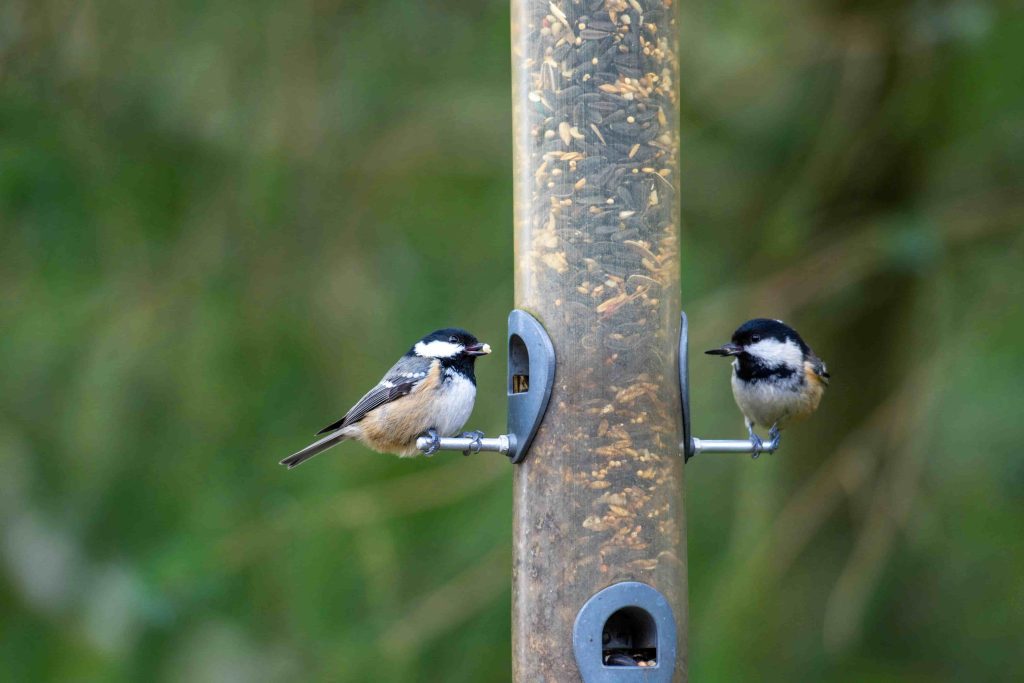
Another reason spring feels different is social pressure. Winter encourages tolerance. Birds feed closer together, share space, and rely on group awareness to reduce risk. Spring shifts those dynamics.
As breeding season approaches, competition increases. Dominant individuals assert themselves more clearly. Minor conflicts—short chases, vocal exchanges, subtle displacement—become common. These interactions don’t always escalate, but they change the tone of the garden.
What felt cooperative in winter begins feeling negotiated in spring. Birds are redefining boundaries, roles, and access to resources, all while new individuals arrive and resident birds adjust their expectations.
The Garden Feels More Demanding
For observers, spring activity can feel less relaxing than winter. There’s more motion, more sound, and more interruption. That difference often mirrors what birds themselves are experiencing.
Winter rewards consistency. Spring demands flexibility. Birds must adapt quickly, respond to others, and make decisions that affect the entire season ahead. The garden becomes a place of evaluation rather than refuge.
This is why spring bird activity feels intense even when it’s familiar. Birds aren’t simply present—they’re deciding.
Different Seasons, Different Purposes
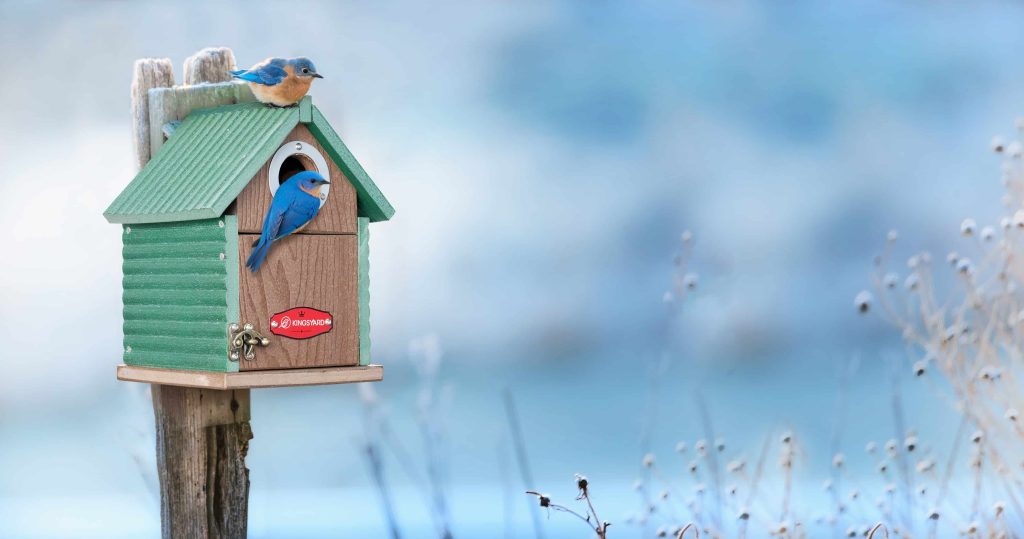
Research on bird behavior during breeding season shows how dramatically territorial and social dynamics shift as daylight length increases, something conservation groups like the National Audubon Society often highlight when explaining seasonal bird activity patterns.
If you’re interested in how backyard setup can influence how birds use your space throughout the year, you might also enjoy reading our guide on how feeder placement affects bird behavior in a garden
Once you recognize that shift, spring activity stops feeling chaotic and starts feeling purposeful. What looks like disorder is actually preparation in motion.
Kingsyard designs practical bird feeders and houses made for everyday backyards. Explore simple, durable solutions that help you enjoy birdwatching a little more, season after season.

Post Comment