How Early Spring Changes Backyard Bird Behavior
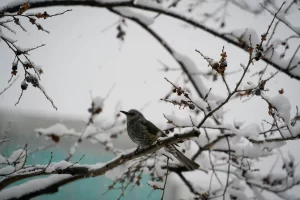
Early spring is not the explosion of life we often imagine. For birds, it’s a period of adjustment rather than arrival. Winter hasn’t fully released its grip, but something fundamental has shifted. Daylight stretches a little longer. Temperatures fluctuate. The landscape begins signaling that change is coming—even if it hasn’t arrived yet.
Backyard birds respond to this moment quickly. Their behavior starts changing well before gardens look different, and those changes reveal how finely tuned birds are to seasonal cues.
Movement Becomes More Frequent, but Less Predictable
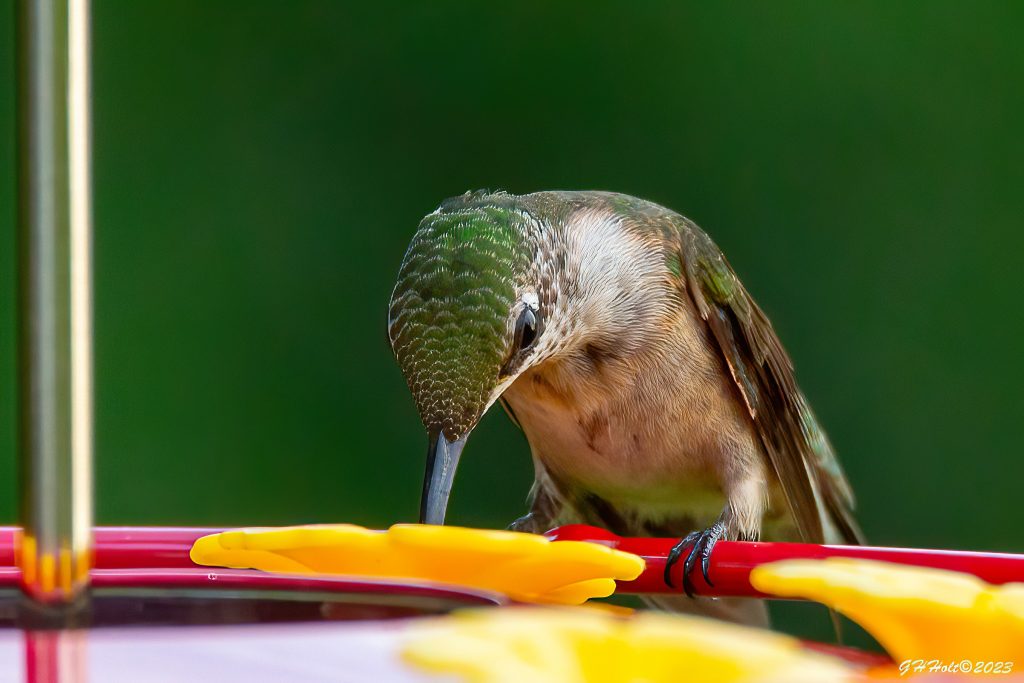
One of the first noticeable changes in early spring is movement. Birds appear more often, but their visits feel shorter and more restless than in winter. They arrive, pause, move on, and return again later.
This isn’t indecision—it’s reassessment. Birds are updating their understanding of space. Routes that worked during winter are tested again. Perches are revisited. Feeding areas are evaluated under new conditions, including increased competition and shifting energy needs.
The garden feels busier, but not settled. Birds are present more often, yet rarely linger. Early spring is a time of scouting rather than commitment.
Feeding Shifts From Survival to Strategy
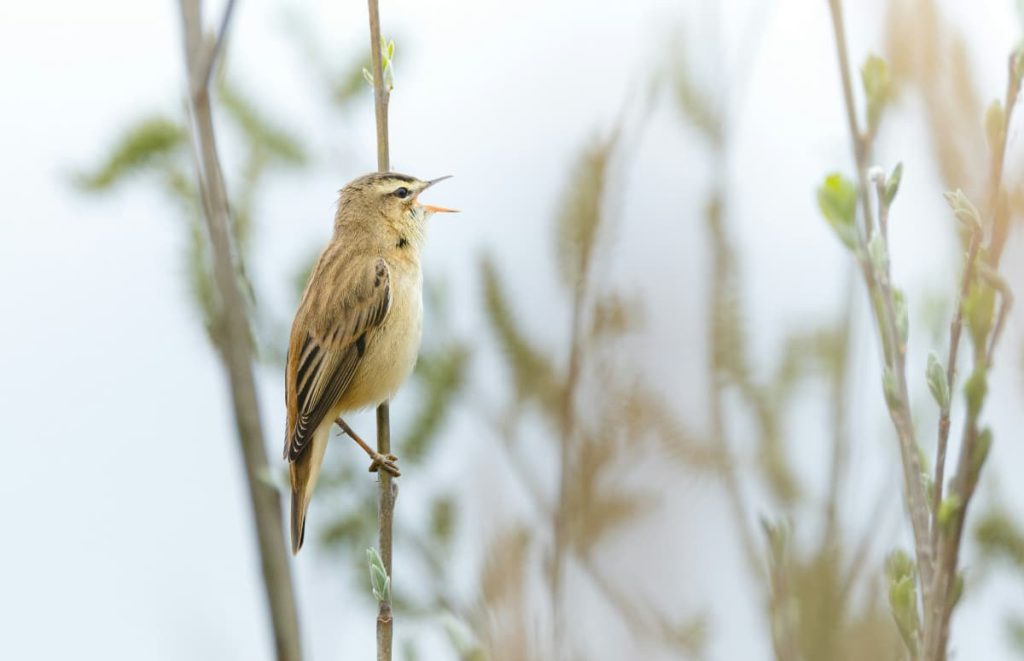
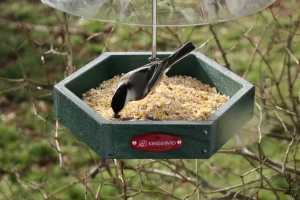
Winter feeding is driven by necessity. Birds eat to maintain body heat and survive long nights. Early spring introduces a different pressure. As breeding season approaches, food choices begin supporting future effort rather than immediate survival.
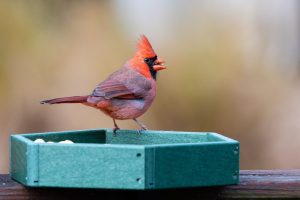
You may notice birds feeding more selectively or visiting multiple spots instead of relying on one. Some individuals become more assertive, while others wait longer before approaching. Feeding no longer follows a strict routine—it adapts to opportunity.
This shift can make gardens feel less orderly. What once looked calm may now feel crowded or uneven. These changes aren’t signs of decline; they’re signs that birds are preparing for what comes next.
Social Dynamics Become More Visible
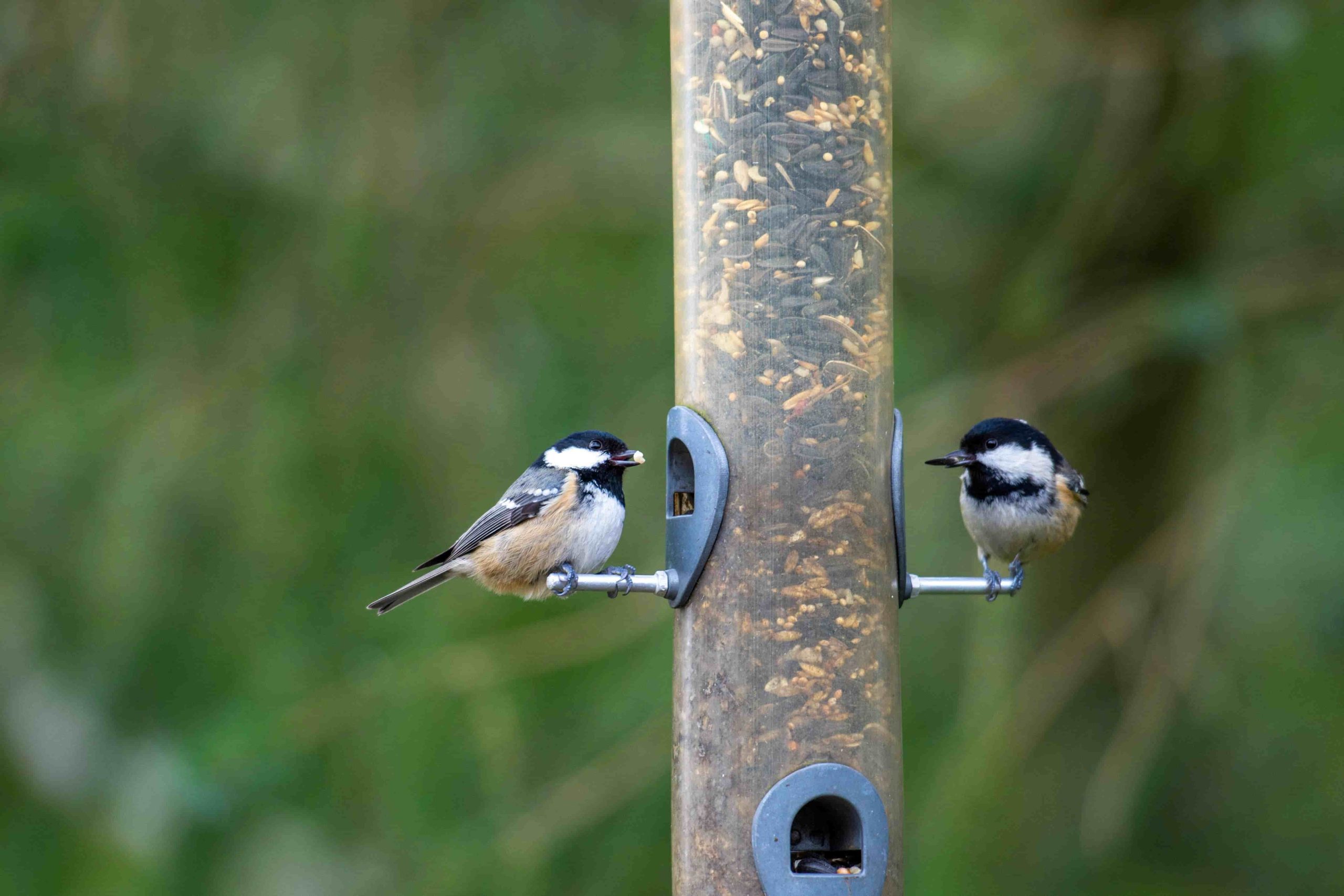
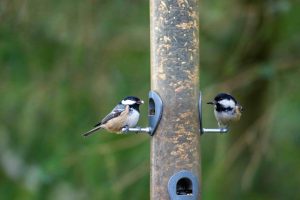
Early spring also alters how birds interact with each other. Mixed winter flocks begin loosening. Some species separate. Others become more territorial. Birds that once tolerated close feeding may now defend space more actively.
You might notice brief chases, vocal exchanges, or subtle displacement at feeding areas. These interactions are rarely aggressive in isolation, but they signal a reorganization underway. Birds are redefining roles, spacing, and access as breeding behavior approaches.
For observers, this period offers insight into social structure. You see which birds lead, which follow, and how dominance shifts with the season.
Early Spring Is a Test of Familiarity
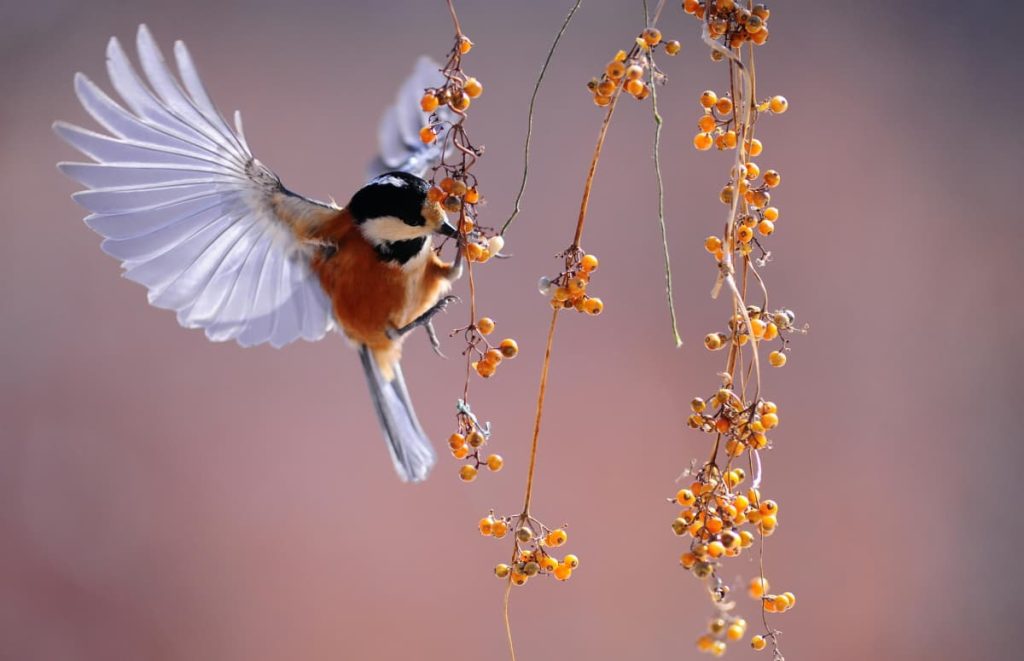
Perhaps the most important change early spring brings is psychological. Birds that relied on winter routines begin deciding which spaces are worth staying with long-term.
Gardens that felt dependable during colder months are revisited with higher expectations. Birds watch longer. They test boundaries. They notice changes quickly. Trust built during winter either holds—or needs rebuilding.
This is why early spring often feels unsettled. Birds aren’t leaving; they’re deciding. And those decisions are shaped less by what’s new, and more by what has remained consistent.
Early spring doesn’t announce itself loudly. It works quietly, through behavior that’s easy to miss unless you’re paying attention. But once you start noticing these shifts, you’ll see that spring doesn’t begin with flowers—it begins with birds changing how they move, feed, and choose where to stay.
Kingsyard designs practical bird feeders and houses made for everyday backyards. Explore simple, durable solutions that help you enjoy birdwatching a little more, season after season.


Post Comment