The Ultimate Spring Bird Feeding Guide 2026
Spring is the most exciting time for backyard bird enthusiasts. As temperatures rise and days grow longer, millions of birds return from their winter migration, ready to nest and raise their young. Spring bird feeding offers a front-row seat to this natural spectacle, but only if you know how to adapt your feeding strategy to the season’s unique demands.
In this comprehensive guide, you’ll learn exactly how to transform your backyard into a bird haven this spring. We’ll cover what foods attract which species, which feeders work best for spring conditions, and the common mistakes that could be driving birds away from your yard.
Whether you’re a seasoned birder or just starting out, this guide will help you attract more birds, more species, and more joy to your outdoor space all season long.
Table of Contents
Why Spring Bird Feeding Matters
Spring bird feeding serves a critical purpose that goes beyond simple enjoyment. After months of winter survival, many birds arrive at their breeding grounds exhausted and in need of immediate nutrition.
The Spring Energy Crisis
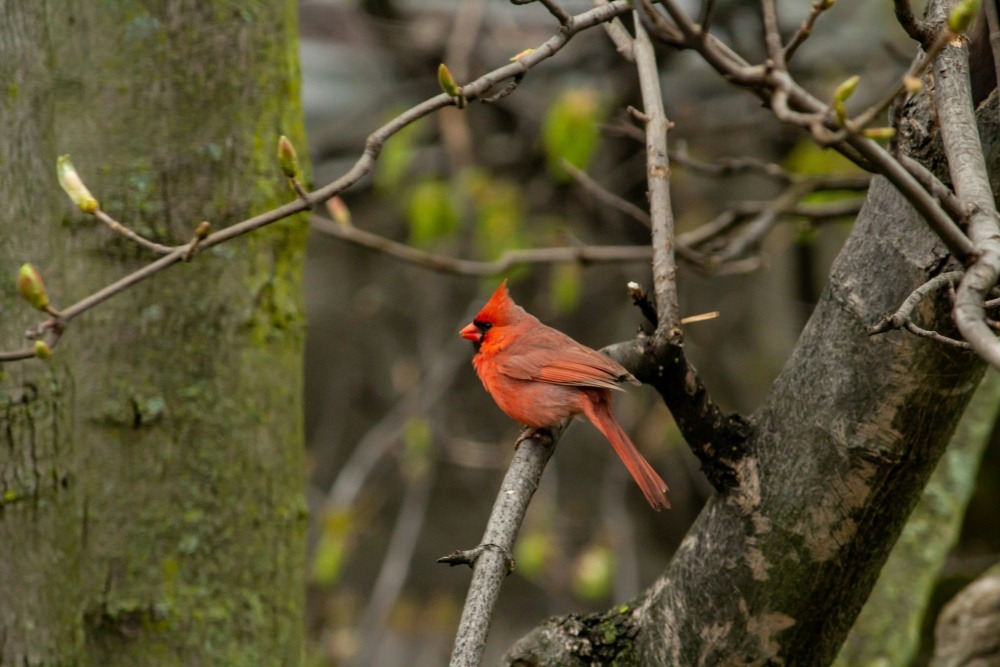
During spring migration, birds burn enormous amounts of energy. A single songbird may lose 15-20% of its body weight during migration. When they arrive at your backyard, they’re not just looking for a snack—they’re refueling for the most important task of the year: raising the next generation.
Pro Tip: Peak migration varies by region. In the southern US, it begins as early as March. Northern states see peak activity in April and May. Time your feeding efforts to match your local migration schedule.
Natural Food Sources Are Limited
Despite spring’s reputation as a time of abundance, natural food sources are actually quite limited in early spring:
- Insects haven’t fully emerged
- Seeds from last year are mostly gone
- Berries and fruits are months away
- Nectar-producing flowers are just beginning to bloom
This creates a “food gap” that backyard feeders can help fill. By providing reliable nutrition during this critical period, you’re supporting bird populations when they need it most.
Breeding Season Nutrition
Spring isn’t just about migration—it’s also breeding season. Birds need extra protein and calcium for:
- Egg production
- Feather growth
- Feeding hungry nestlings
A well-stocked feeder can support dozens of nesting pairs in your area, helping them successfully raise their young.
Spring Bird Behavior: What’s Different
Understanding how bird behavior changes in spring is essential for effective feeding. Birds act differently in spring than they do in winter, and your feeding strategy should adapt accordingly.
Migration Patterns
Spring migration brings an entirely new set of visitors to your yard. Birds that spent winter in Central and South America return to their breeding grounds, often stopping at feeders along the way.
Key migration periods:
| Bird Type | Migration Timing | Peak Feeder Activity |
|---|---|---|
| Waterfowl | February – March | Limited |
| Songbirds | March – May | High |
| Hummingbirds | March – April (South), April – May (North) | Very High |
| Orioles | April – May | Moderate |
Territorial Behavior
Unlike winter, when birds often feed together peacefully, spring brings territorial behavior. Males establish and defend breeding territories, which can affect feeder dynamics.
What this means for you:
- Expect more aggressive behavior at feeders
- Consider multiple feeding stations to reduce conflict
- Space feeders at least 10-15 feet apart
- Some dominant birds may exclude others—provide alternative feeding locations
Nesting Activity
Birds spend significant time building nests, incubating eggs, and feeding nestlings. This means:
- More frequent feeder visits: Parent birds make dozens of trips daily
- Higher food consumption: A nest of 4-6 chicks requires enormous amounts of food
- Specific nutritional needs: Growing chicks need high-protein diets
Pro Tip: Avoid disturbing areas where you see birds repeatedly carrying nesting material. They’re building a home nearby!
Dawn Chorus and Feeding Times
Spring brings the famous “dawn chorus”—birds singing loudly at first light. This also means earlier feeding times. Many birds are most active at feeders during the first two hours after sunrise.
What to Feed Birds in Spring
Spring feeding requires a different approach than winter. While winter calls for high-fat foods for warmth, spring demands high-protein options for breeding and migration.
Best Spring Foods by Bird Type
For Songbirds (Cardinals, Chickadees, Titmice, Nuthatches)
| Food | Benefits | Birds Attracted |
|---|---|---|
| Black oil sunflower seeds | High protein and fat | Most songbirds |
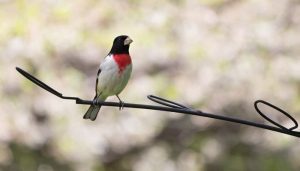
| Safflower seeds | Squirrel-resistant, loved by cardinals | Cardinals, grosbeaks |
| Peanuts (shelled) | Excellent protein source | Jays, woodpeckers, titmice |
| Mealworms (dried or live) | High protein for nestlings | Bluebirds, chickadees, wrens |
For Migrating Birds (Tanagers, Grosbeaks, Buntings)
| Food | Benefits | Birds Attracted |
|---|---|---|
| Orange halves | Quick energy, vitamin C | Orioles, tanagers |
| Grape jelly | High sugar for energy | Orioles, catbirds |
| Suet (insect-based) | Mimics natural insect diet | Migrating insectivores |
For Hummingbirds and Orioles
| Food | Benefits | Preparation |
|---|---|---|
| Nectar (sugar water) | Essential energy | 1 part sugar : 4 parts water |
| Orange slices | Natural sugars, attracts orioles | Fresh halves on feeders |
| Grape jelly | Quick energy | Small amounts in specialized feeders |
Important: Never use honey, artificial sweeteners, or red dye in hummingbird nectar. Plain white sugar and water is safest.
Foods to Reduce or Avoid in Spring
Some winter staples should be limited or avoided in spring:
- High-fat suet: Can spoil in warm weather; switch to no-melt varieties
- Bread: Offers no nutritional value and can harm developing chicks
- Cracked corn: Attracts unwanted pests in warmer weather
- Milo and wheat: Low-nutrition fillers birds often reject
Seasonal Feeding Schedule
| Month | Primary Foods | Notes |
|---|---|---|
| March | Sunflower seeds, suet (no-melt), mealworms | Transition period |
| April | Sunflower seeds, nectar, oranges, mealworms | Peak migration |
| May | Nectar, mealworms, sunflower seeds, peanuts | Breeding season peak |
| June | Nectar, mealworms, sunflower seeds | Feeding fledglings |
Best Bird Feeders for Spring
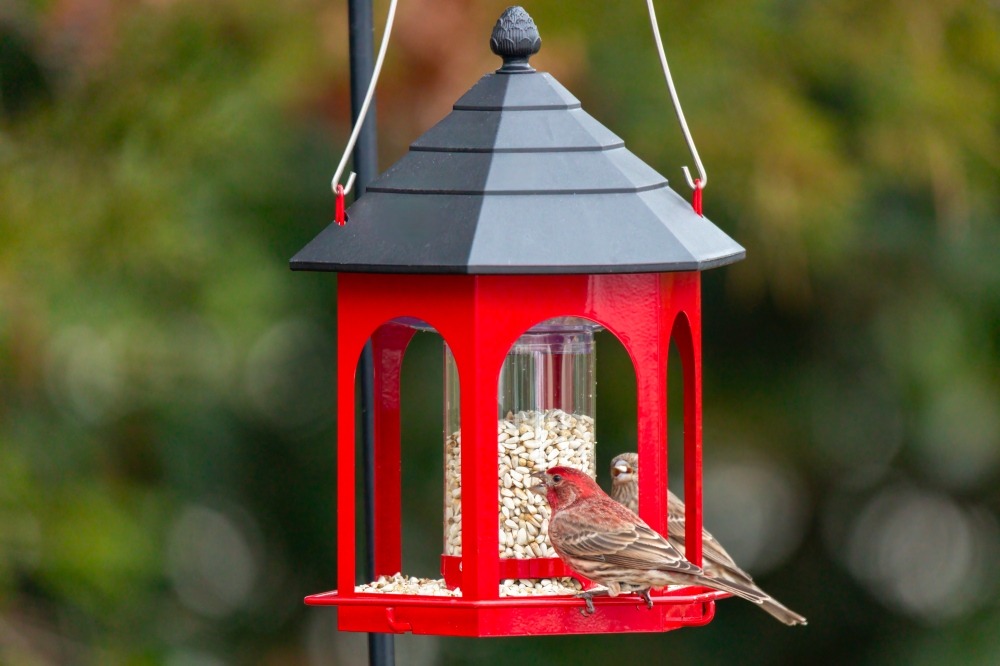
The right feeder makes all the difference in spring. Different birds prefer different feeder styles, and spring weather conditions require specific considerations.
Feeder Types for Spring
Hopper Feeders
Best for: Cardinals, grosbeaks, jays, finches
Spring advantages:
- Protects seed from spring rain
- Holds larger quantities for busy breeding season
- Easy to monitor seed levels
Kingsyard recommendation: Look for hopper feeders with weather-resistant roofs and easy-fill designs.
Platform and Tray Feeders
Best for: Ground-feeding birds, orioles, tanagers
Spring advantages:
- Accommodates fruit and jelly for migrants
- Easy to clean (important for warm weather)
- Attracts shy species that avoid enclosed feeders
Pro Tip: Platform feeders require more frequent cleaning in spring. Remove wet food within 24 hours to prevent mold.
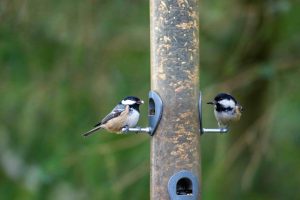
Tube Feeders
Best for: Chickadees, finches, nuthatches, titmice
Spring advantages:
- Keeps seed dry during spring showers
- Multiple feeding ports accommodate busy periods
- Squirrel-resistant options available
Window Feeders
Best for: Close-up viewing, small birds
Spring advantages:
- Perfect for observing nesting behavior up close
- Easy to refill frequently
- Great for teaching children about birds
Learn more: See our complete guide to Best Window Bird Feeders for Close-Up Viewing for detailed recommendations.
Nectar Feeders
Best for: Hummingbirds, orioles
Spring advantages:
- Essential for migrating hummingbirds
- Bright colors attract passing migrants
- Multiple feeding ports reduce territorial disputes
Critical: Clean nectar feeders every 2-3 days in spring warmth. Fermented nectar can harm birds.
Suet Feeders
Best for: Woodpeckers, nuthatches, chickadees
Spring considerations:
- Switch to no-melt suet cakes when temperatures exceed 50°F
- Position in shaded areas
- Remove if suet becomes soft or rancid
Feeder Placement for Spring
Spring weather and bird behavior require strategic feeder placement:
Height considerations:
- 5-6 feet high for most feeders (accessible for refilling, safe from ground predators)
- Higher placement (8-10 feet) for suet to deter squirrels
- Eye-level for window feeders
Distance from cover:
- 10-12 feet from shrubs or trees (close enough for escape, far enough to avoid ambush)
- Avoid placing directly under branches (squirrel access)
Sun and shade:
- Morning sun is ideal (birds feed most actively at dawn)
- Afternoon shade prevents food spoilage
- Avoid full-day direct sun for nectar and suet feeders
Weather Protection
Spring weather is unpredictable. Prepare for:
- Rain: Choose feeders with drainage holes and overhanging roofs
- Wind: Secure feeders properly; consider weightier designs
- Temperature swings: Monitor suet and nectar more frequently
How to Attract Specific Birds This Spring
Different birds have different preferences. Here’s how to attract the species you most want to see.
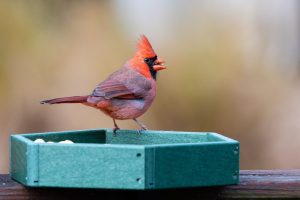
Attracting Cardinals
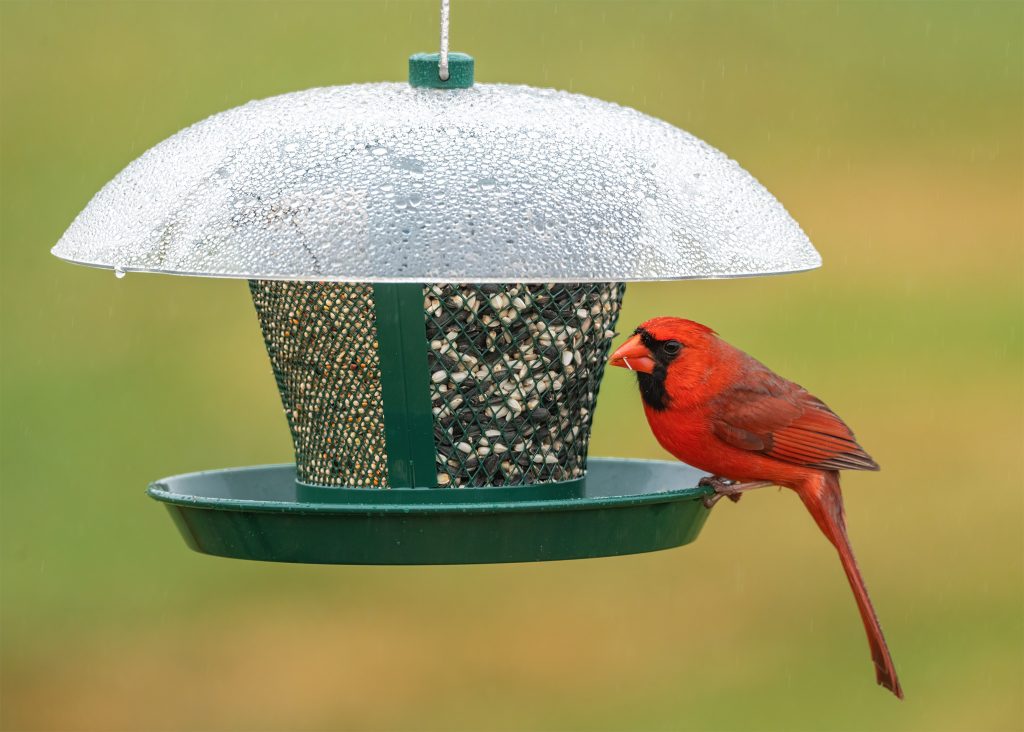
Cardinals are year-round residents, but they’re especially visible in spring when males display their brilliant red plumage.
What they love:
- Black oil sunflower seeds
- Safflower seeds (squirrels typically avoid these)
- Platform or hopper feeders with perches
Habitat tips:
- Dense shrubs for nesting
- They prefer feeding near cover
- Avoid hanging feeders that sway—cardinals prefer stable platforms
Learn more: Our guide on How to Attract Cardinals to Your Backyard provides detailed strategies.
Attracting Hummingbirds
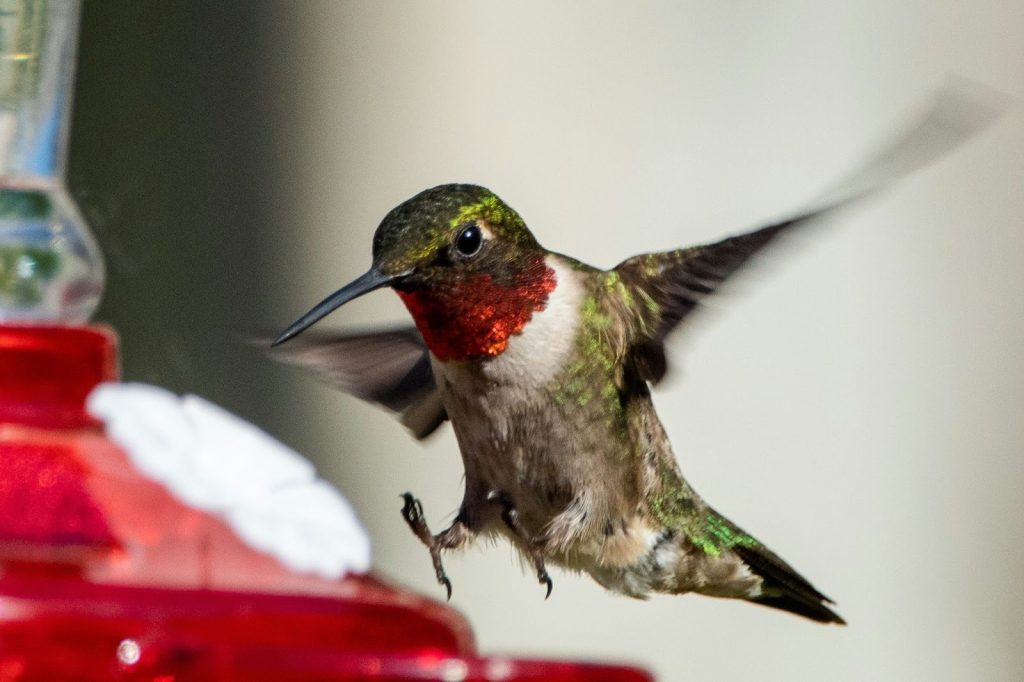
Hummingbirds are spring’s most anticipated visitors. These tiny migrants travel thousands of miles and arrive hungry.
What they need:
- Fresh nectar (replace every 2-3 days)
- Red-colored feeders (no dye needed in nectar)
- Multiple feeders to reduce territorial fighting
Timing:
- Put out feeders 1-2 weeks before expected arrival
- In the South: early March
- In the North: mid-to-late April
Attracting Orioles
Oriles are stunning orange-and-black birds that pass through in spring. They’re easy to attract if you offer the right foods.
Oriole favorites:
- Orange halves (fresh daily)
- Grape jelly (small amounts)
- Nectar (slightly weaker than hummingbird nectar: 1:6 ratio)
Feeder tips:
- Use bright orange feeders
- Place feeders in open areas
- Offer foods from early April through May
Attracting Bluebirds
Bluebirds are cavity nesters that readily use nest boxes. They’ll also visit feeders for the right foods.
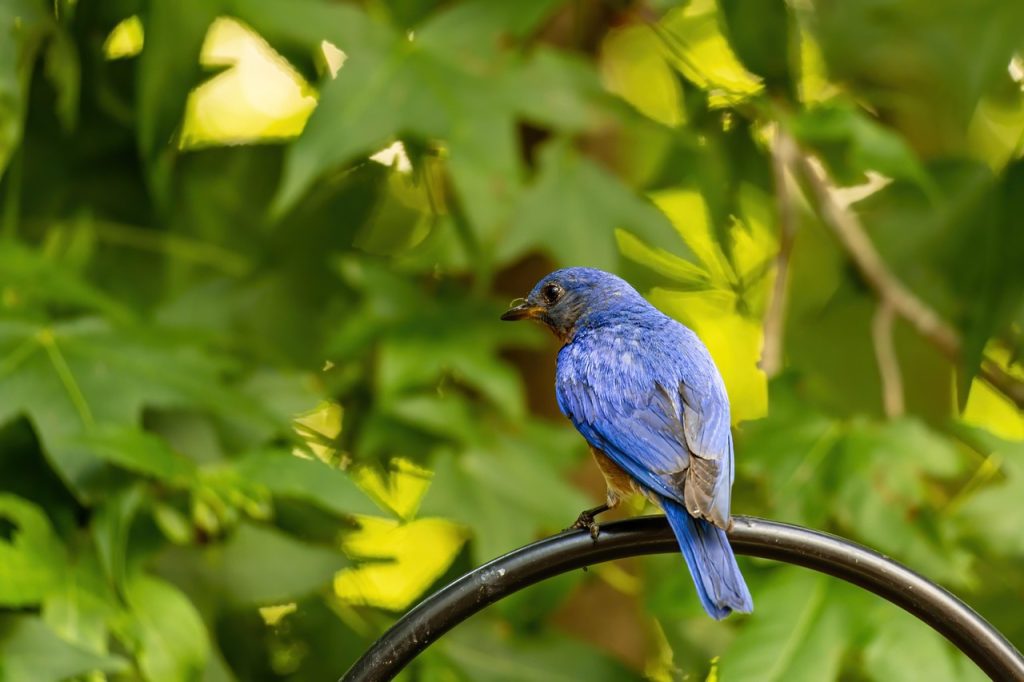
Bluebird foods:
- Mealworms (live or dried)
- Suet nuggets
- Small fruits (berries, raisins)
Habitat:
- Open areas with scattered trees
- Nest boxes with proper hole size (1.5 inches)
- Perching spots near feeders
Attracting Woodpeckers
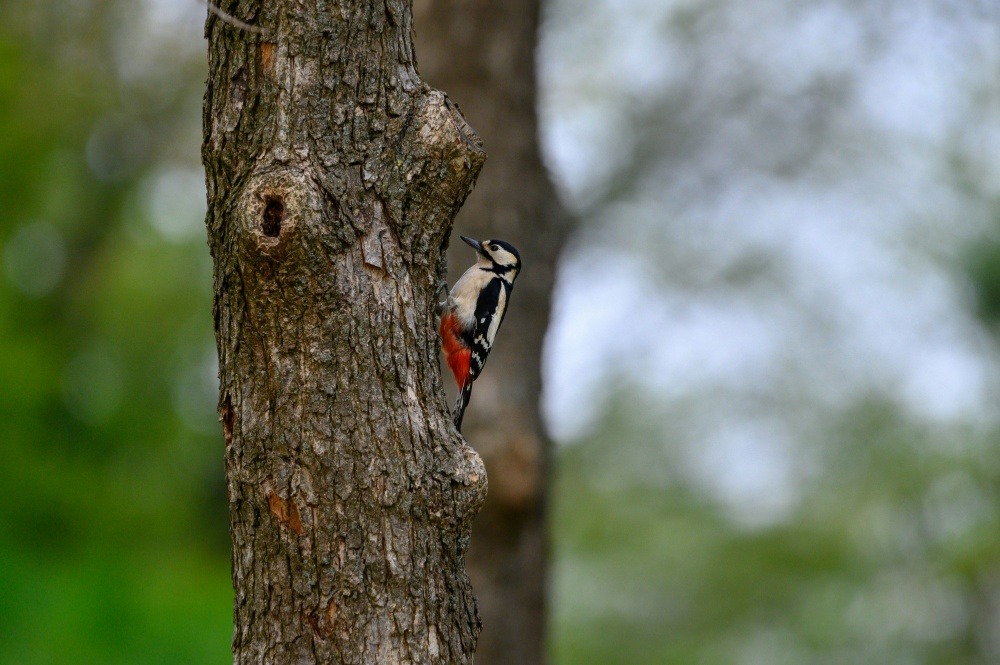
Woodpeckers are year-round visitors that become more active in spring as they establish territories.
What to offer:
- Suet (no-melt varieties for spring)
- Peanuts
- Sunflower seeds
Feeder types:
- Tail-prop suet feeders
- Peanut feeders with mesh
- Hopper feeders with suet cages
Spring Bird Feeding Mistakes to Avoid
Even experienced bird enthusiasts make mistakes in spring. Here are the most common errors and how to avoid them.
Mistake #1: Not Adjusting for Warmer Weather
Winter feeding habits can cause problems in spring.
The problem:
- Suet melts and becomes rancid
- Nectar ferments faster
- Mold grows more quickly on damp seed
The solution:
- Switch to no-melt suet when temps exceed 50°F
- Clean nectar feeders every 2-3 days
- Check seed feeders after rain; remove wet seed
Mistake #2: Stopping Feeding Too Early
Many people stop feeding when spring arrives, assuming birds don’t need help.
The reality:
- Natural food sources are actually limited in early spring
- Migrating birds need reliable food stops
- Breeding birds need extra nutrition
The solution:
- Continue feeding through May and June
- Adjust food types for the season
- Reduce quantities if seed spoils before being eaten
Mistake #3: Ignoring Feeder Hygiene
Warm weather means faster bacterial growth. Dirty feeders can spread disease.
The solution:
- Clean feeders every 1-2 weeks
- Use a 10% bleach solution or vinegar and water
- Rinse thoroughly and dry completely before refilling
- Remove old, moldy, or wet seed immediately
Mistake #4: Using the Wrong Foods
Some foods that work in winter are problematic in spring.
Avoid:
- Bread (no nutritional value, can harm nestlings)
- Salty foods (dehydrates birds)
- Spoiled or moldy seed
- Honey in nectar (promotes dangerous fungal growth)
Mistake #5: Overcrowding Feeders
Territorial behavior in spring can lead to conflicts at crowded feeders.
The solution:
- Provide multiple feeding stations
- Space feeders 10-15 feet apart
- Offer different food types at different stations
- Consider timing: some birds feed at different times of day
Mistake #6: Neglecting Water Sources
Birds need water for drinking and bathing, especially when feeding dry seeds.
The solution:
- Provide a clean birdbath
- Change water every 2-3 days
- Consider a dripper or mister to attract more birds
- Position water sources near (but not directly under) feeders
Setting Up Your Spring Feeding Station
A well-designed feeding station attracts more birds and makes maintenance easier.
Essential Components
Primary feeding area:
- 1-2 hopper or tube feeders for seeds
- Position in a visible, accessible location
- Within view of a window for enjoyment
Specialty feeding stations:
- Nectar feeder for hummingbirds (bright, visible location)
- Oriole feeder with fruit/jelly (separate from main station)
- Suet feeder (shaded location, 8+ feet high)
Water source:
- Birdbath within 20-30 feet of feeders
- Clean, shallow water (1-2 inches deep)
- Consider a heater for early spring cold snaps
Ground feeding area:
- Platform feeder or simply scattered seed
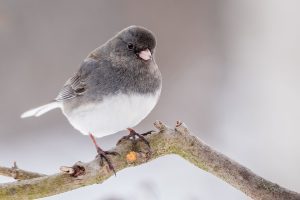
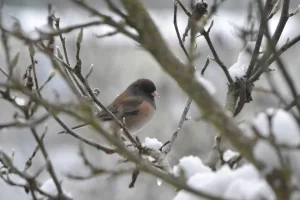
- Attracts doves, juncos, sparrows
- Clean regularly to prevent mold
Maintenance Schedule
| Task | Frequency |
|---|---|
| Refill feeders | Every 1-3 days |
| Check for spoiled food | Daily |
| Clean nectar feeders | Every 2-3 days |
| Clean seed feeders | Every 1-2 weeks |
| Rake under feeders | Weekly |
| Deep clean all equipment | Monthly |
Budget-Friendly Spring Setup
You don’t need expensive equipment to attract birds in spring.
Minimum setup ($30-50):
- One tube feeder for sunflower seeds
- One hummingbird feeder
- Birdbath (can be a shallow dish)
Enhanced setup ($75-100):
- Add a hopper feeder
- Add an oriole feeder
- Platform feeder for ground birds
- Multiple hummingbird feeders
Complete setup ($150+):
- Multiple feeder types
- Squirrel-resistant options
- Quality birdbath with dripper
- Nest boxes for cavity nesters
FAQ: Spring Bird Feeding Questions Answered
When should I start feeding birds in spring?
Start feeding in late winter (February) to support early migrants and resident birds preparing for breeding. Don’t wait until you see birds—they need food when they arrive, not after.
Should I stop feeding birds in spring?
No! Spring is actually a critical time to continue feeding. Natural food sources are limited, and birds need extra nutrition for migration and breeding. Continue feeding through May and June.
What’s the best food for baby birds?
Parent birds bring their chicks to feeders. The best foods for growing nestlings are high-protein options: mealworms, suet, and sunflower seeds. Avoid bread, which offers no nutritional value.
How often should I change hummingbird nectar in spring?
In temperatures above 60°F, change nectar every 2-3 days. In hotter weather (80°F+), change daily. Cloudy or discolored nectar should be discarded immediately.
Why are birds fighting at my feeder in spring?
Spring brings territorial behavior as birds establish breeding territories. To reduce conflicts, provide multiple feeding stations spaced 10-15 feet apart, and offer different foods at different locations.
Do birds need water in spring?
Yes! Birds need water for drinking and bathing year-round. In spring, they also need water to keep their feathers in good condition for breeding displays. Provide a clean, shallow water source near your feeders.
Should I put out nesting material for birds?
You can offer natural nesting materials like pet fur (untreated), small twigs, or dried grass. Avoid offering yarn, string, or synthetic materials, which can entangle birds.
How do I keep squirrels away from spring feeders?
Use squirrel-resistant feeders, place feeders at least 10 feet from jumping-off points, and consider safflower seeds (which squirrels typically avoid). Baffle devices above or below feeders are also effective.
Can I feed birds during spring rain?
Yes, but choose weather-resistant feeders with good drainage. Check feeders after heavy rain and remove any wet, moldy seed. Consider covered hopper feeders for rainy spring days.
What if I see a sick bird at my feeder?
Remove feeders immediately and clean them thoroughly with a 10% bleach solution. Wait 1-2 weeks before resuming feeding. Report unusual bird deaths to your local wildlife agency.
Start Your Spring Bird Feeding Journey
Spring bird feeding is one of the most rewarding ways to connect with nature. By providing the right foods, feeders, and habitat, you’ll attract a diverse array of beautiful birds to your backyard throughout the season.
Key takeaways:
- Continue feeding through spring—birds need reliable food sources during migration and breeding
- Adjust your offerings: High-protein foods like mealworms and sunflower seeds support breeding birds
- Add variety: Nectar feeders, fruit, and jelly attract migrants like hummingbirds and orioles
- Maintain hygiene: Clean feeders regularly to prevent disease in warmer weather
- Provide water: A clean birdbath attracts birds that might not visit feeders


Post Comment