How to Attract Cardinals to Your Backyard: 7 Proven Tips That Work
Few birds capture attention quite like the Northern Cardinal. The male’s brilliant red plumage against winter snow or spring greenery creates a sight that stops people mid-conversation. But cardinals aren’t just beautiful—they’re also loyal backyard visitors that, once attracted, will return year after year.
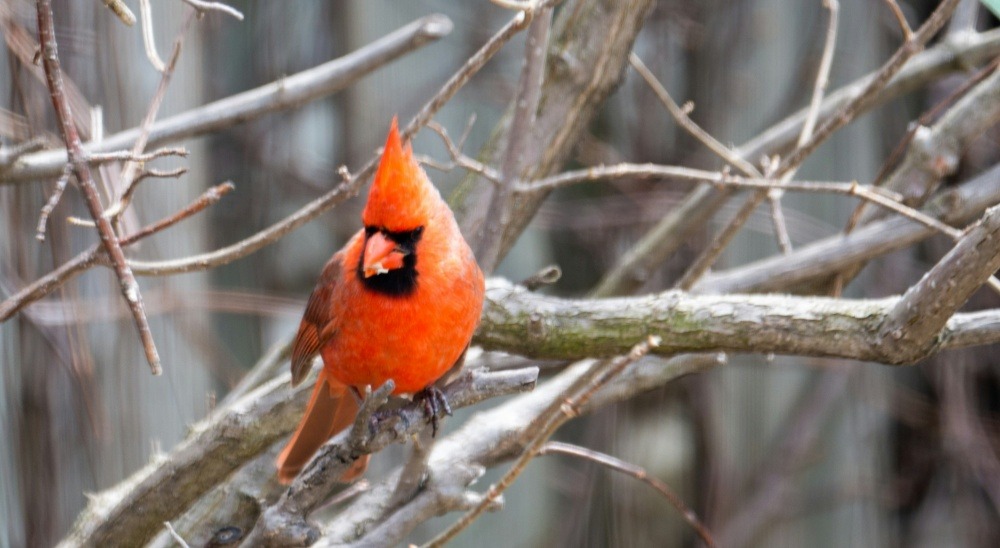
The secret? Understanding what cardinals actually need. These birds have specific preferences for food, feeders, and habitat. Give them what they want, and your backyard can become cardinal territory.
In this guide, you’ll learn 7 proven strategies to attract and keep cardinals visiting your yard. These aren’t generic bird feeding tips—these are cardinal-specific techniques backed by ornithological research and real-world success.
Quick Cardinal Facts
Before diving into attraction strategies, let’s understand what makes cardinals unique:
| Characteristic | Details |
|---|---|
| Scientific name | Cardinalis cardinalis |
| Size | 8-9 inches (robin-sized) |
| Diet | Seeds, fruits, insects |
| Range | Eastern and central US, parts of Mexico |
| Habitat | Woodland edges, shrubs, suburban yards |
| Nesting | Dense shrubs, 3-15 feet high |
| Lifespan | 3+ years in the wild |
| Year-round | Yes, cardinals don’t migrate |
Key insight: Cardinals are non-migratory. Once they choose your yard as their territory, they’ll stay through all seasons. This makes attracting them particularly rewarding.
Tip #1: Offer Their Favorite Foods
Cardinals are primarily seed-eaters with strong, cone-shaped beaks designed for cracking hard shells. But not all seeds are equal in their eyes.
The Cardinal’s Top Food Choices
| Food | Attraction Level | Notes |
|---|---|---|
| Black oil sunflower seeds | ⭐⭐⭐⭐⭐ | #1 choice; high fat and protein |
| Safflower seeds | ⭐⭐⭐⭐⭐ | Cardinals love them; squirrels typically don’t |
| Sunflower hearts/chips | ⭐⭐⭐⭐ | No shell mess; easy to eat |
| Cracked corn | ⭐⭐⭐ | Good supplement; offer in moderation |
| Peanuts (shelled) | ⭐⭐⭐⭐ | High protein; offer in winter |
| Suet (insect-based) | ⭐⭐⭐ | Good for nesting season protein |
| Berries and fruits | ⭐⭐⭐⭐ | Natural foods; plant native berry bushes |
Why Safflower Seeds Are a Game-Changer
If squirrels are raiding your feeders, safflower seeds are your secret weapon. Here’s why:
- Cardinals love them: They crack the hard shell easily
- Squirrels hate them: The bitter taste repels most squirrels
- Blackbirds avoid them: Grackles and starlings typically ignore safflower
- Long shelf life: Seeds stay fresh longer than sunflower
Pro Tip: Transition gradually. Mix safflower with sunflower seeds over 2-3 weeks, increasing the safflower ratio until you’re offering 100% safflower.
Seasonal Feeding Strategy
| Season | Best Foods | Why |
|---|---|---|
| Spring | Sunflower, safflower, suet | Breeding season requires extra protein |
| Summer | Sunflower, fruits, insects | Natural foods abundant; supplement with favorites |
| Fall | Sunflower, safflower, peanuts | Building fat reserves for winter |
| Winter | Sunflower, safflower, suet | High-energy foods for cold weather |
Tip #2: Choose the Right Feeder
Cardinals are medium-sized birds with specific feeder preferences. They’re not acrobats like chickadees, and they’re not comfortable on tiny perches.
What Cardinals Want in a Feeder
Stability is essential. Cardinals prefer feeders that don’t sway or tip. Their weight (1.5-2 oz) makes hanging feeders challenging unless they’re well-stabilized.
Perch space matters. Cardinals need room to face forward while eating. Small perches designed for finches won’t work.
Easy access. They prefer feeders they can approach directly, not those requiring acrobatic maneuvers.
Best Feeder Types for Cardinals
Hopper Feeders ⭐⭐⭐⭐⭐
Why cardinals love them:
- Stable, platform-like feeding area
- Large perching space
- Protected from weather
- Easy to access
Kingsyard recommendation: Look for hopper feeders with wide trays and sturdy construction.
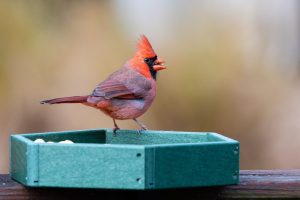
Platform/Tray Feeders ⭐⭐⭐⭐⭐
Why cardinals love them:
- Ground-level feeding mimics natural foraging
- No perches needed—they stand on the platform
- Multiple birds can feed simultaneously
- Easy to clean
Best placement: 5-10 feet from shrubs for quick escape cover.
Large Tube Feeders with Trays ⭐⭐⭐⭐
Why they work:
- Tray attachment provides stable footing
- Protected seed stays dry
- Multiple feeding ports
Important: Choose tube feeders with metal perches (plastic can crack in cold weather).
Feeders to Avoid for Cardinals
| Feeder Type | Why It Doesn’t Work |
|---|---|
| Small tube feeders (no tray) | Perches too small; unstable |
| Nyjer/thistle feeders | Wrong food type |
| Window feeders (small) | May not support cardinal weight |
| Squirrel-proof feeders (weight-activated) | Cardinal weight may trigger closure |
Tip #3: Provide Water Year-Round
Water attracts more cardinals than food alone. Birds need water for drinking and bathing, and a reliable water source can make your yard a cardinal destination.
Water Features Cardinals Love
Birdbaths:
- Shallow depth (1-2 inches)
- Rough bottom for grip
- Place near cover (5-10 feet from shrubs)
- Clean and refill every 2-3 days
Drippers and misters:
- Sound of moving water attracts birds from distance
- Keeps water fresh
- Cardinals are drawn to the movement
Heated birdbaths (winter):
- Essential in cold climates
- Cardinals stay year-round; they need winter water
- Low-wattage heaters are energy-efficient
Water Placement Tips
- Morning sun warms water naturally
- Afternoon shade prevents overheating in summer
- Near cover but not directly under branches (avoid ambush predators)
- Visible location so cardinals can find it easily
Pro Tip: Add a few flat rocks to deeper birdbaths. This creates varying depths and gives cardinals a comfortable spot to stand.
Tip #4: Create Cardinal-Friendly Habitat
Food and water attract cardinals, but habitat makes them stay. Cardinals need specific environmental features to feel secure and to nest successfully.
Essential Habitat Elements
Dense Shrubs for Nesting
Cardinals build nests in dense vegetation, typically 3-15 feet above ground. They prefer:
- Native shrubs: Dogwood, elderberry, serviceberry, viburnum
- Thorny plants: Hawthorn, rose bushes (natural protection)
- Evergreens: Juniper, arborvitae (winter shelter)
Planting tip: Create shrub clusters rather than single specimens. Cardinals prefer thickets where they can hide and nest.
Layered Vegetation
Cardinals use different vegetation heights for different purposes:
| Layer | Purpose |
|---|---|
| Ground level | Foraging for fallen seeds |
| Shrub level (3-6 ft) | Nesting, escape cover |
| Small trees (10-20 ft) | Singing perches, lookout posts |
| Canopy | Limited use; cardinals prefer lower levels |
Open Areas Near Cover
Cardinals feed in open areas but need quick access to cover. Create feeding zones:
- 10-15 feet from shrub edges
- Clear sight lines to spot predators
- Easy escape routes to dense vegetation
Plants That Attract Cardinals
For food (seeds and berries):
- Sunflowers (let seed heads dry on stalks)
- Purple coneflower
- Black-eyed Susan
- Serviceberry
- Elderberry
- Dogwood
- Holly (winter berries)
For shelter and nesting:
- Arborvitae
- Juniper
- Rose bushes
- Hawthorn
- Privet
- Honeysuckle (native varieties only)
Tip #5: Reduce Threats and Stress
Even with perfect food and habitat, cardinals won’t stay if they feel threatened. Minimize dangers to create a safe environment.
Common Threats to Cardinals
Outdoor Cats
The problem: Free-roaming cats kill billions of birds annually. Cardinals, which feed and nest low to the ground, are particularly vulnerable.
Solutions:
- Keep cats indoors (safest for cats too)
- Use collar bells if cats go outside
- Create “cat-free zones” around feeders with fencing or prickly plants
Window Collisions
The problem: Cardinals may strike windows when startled or during territorial attacks on reflections.
Solutions:
- Apply window decals or tape patterns
- Install external screens
- Position feeders within 3 feet of windows (birds can’t build enough speed to injure themselves) or 30+ feet away
Pesticides
The problem: Insecticides eliminate a food source (insects) that cardinals feed their young. Herbicides remove seed-producing plants.
Solutions:
- Avoid chemical pesticides in your yard
- Embrace natural pest control (birds eat insects!)
- Plant native species that don’t require chemical inputs
Aggressive Birds
The problem: Blue jays, grackles, and starlings may dominate feeders, intimidating cardinals.
Solutions:
- Offer safflower seeds (aggressive birds typically avoid them)
- Use cardinal-specific feeders (hopper or platform)
- Provide multiple feeding stations to disperse competition
Tip #6: Understand Cardinal Behavior
Knowing how cardinals behave helps you anticipate their needs and create a more attractive environment.
Feeding Patterns
Early morning and late afternoon are peak feeding times. Cardinals are often the first birds at feeders at dawn and the last to leave at dusk.
Ground feeding is natural. Cardinals forage on the ground in the wild. Don’t be concerned if they prefer eating fallen seeds from beneath your feeder.
Pairs feed together. During breeding season, you’ll often see male and female cardinals at feeders simultaneously. The male may even feed the female—a courtship behavior called “mate feeding.”
Territorial Behavior
Spring brings aggression. Male cardinals defend territories vigorously. You may see them attacking their reflection in windows or car mirrors.
Multiple pairs can coexist. With enough resources, several cardinal pairs may claim territories in the same yard. Provide multiple feeding stations to reduce conflict.
Winter is more social. Cardinals form flocks in winter, often feeding together peacefully. This is the best time to attract multiple birds.
Nesting Habits
Nest location: Dense shrubs, vines, or small trees, 3-15 feet high
Nest construction: Female builds the nest; male brings materials
Eggs: 2-5 eggs per clutch, 2-3 broods per year
Incubation: 11-13 days by female
Fledging: Young leave nest at 9-11 days
Pro Tip: If cardinals nest in your yard, avoid disturbing the area. They may abandon nests if disturbed during construction or early incubation.
Tip #7: Be Patient and Consistent
Attracting cardinals isn’t instant. It requires patience and consistent effort.
Timeline for Success
| Timeframe | What to Expect |
|---|---|
| Week 1-2 | Birds discover feeders; may be cautious |
| Week 3-4 | Regular visitors establish patterns |
| Month 2-3 | Cardinals become comfortable; visit daily |
| Month 4-6 | Pairs may establish territory; year-round residents |
| Year 2+ | Nesting possible; population grows |
Consistency Matters
Keep feeders filled. Empty feeders send birds elsewhere. Cardinals remember reliable food sources and will abandon inconsistent ones.
Maintain quality. Fresh, clean seed attracts more birds than stale or moldy offerings. Check seed regularly, especially after rain.
Don’t give up. If cardinals don’t appear immediately, keep trying. They may be established elsewhere and need time to discover your yard.
Signs of Success
You’ll know your efforts are working when you see:
- Regular visits at predictable times
- Pairs feeding together (indicates territory nearby)
- Juvenile cardinals (brown with hints of red) at feeders in late summer
- Nesting behavior (carrying nesting materials, territorial singing)
Cardinal Attraction Checklist
Use this checklist to evaluate your yard’s cardinal appeal:
Food
- Black oil sunflower seeds available
- Safflower seeds offered (especially if squirrels are a problem)
- Feeder filled consistently
- Some seed scattered on ground (natural feeding)
Feeders
- Hopper or platform feeder available
- Feeder is stable (doesn’t sway excessively)
- Perches are large enough for cardinal size
- Feeder placed 10-15 feet from cover
Water
- Birdbath present and clean
- Water depth is 1-2 inches
- Water source visible and accessible
- Heated birdbath available in winter (cold climates)
Habitat
- Dense shrubs for nesting (3-15 feet high)
- Thorny or protective plants nearby
- Layered vegetation (ground to small trees)
- Native berry-producing plants
Safety
- Cats controlled or kept indoors
- Windows treated to prevent collisions
- No pesticide use in yard
- Multiple feeding stations to reduce competition
FAQ: Cardinal Attraction Questions Answered
Why am I not seeing cardinals at my feeder?
Several factors could be at play: wrong food type (try sunflower or safflower), wrong feeder style (cardinals prefer stable platforms), lack of nearby cover, or competition from aggressive birds. Review the checklist above to identify gaps.
Do cardinals use birdhouses?
No, cardinals are not cavity nesters. They build open-cup nests in dense shrubs and vines, not in birdhouses. Provide natural nesting habitat instead.
How can I tell male and female cardinals apart?
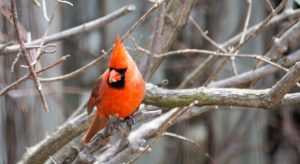
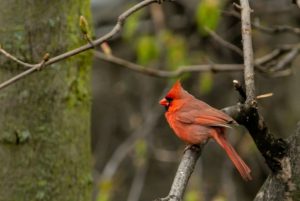
Males are bright red overall with a black face mask. Females are warm brown with reddish highlights on wings, tail, and crest, and a smaller face mask. Both have the distinctive crest and orange-red beak.
Will cardinals eat from a hanging feeder?
Yes, but only if it’s stable. Cardinals prefer hopper feeders with trays or platform feeders. If using a hanging tube feeder, choose one with a large tray attachment.
How many cardinals will visit my yard?
In optimal habitat with abundant resources, you may attract 2-4 cardinal pairs. Each pair defends a territory of about 1-4 acres. Winter flocks can include 10-20 birds.
Do cardinals migrate?
No, cardinals are year-round residents throughout their range. Once attracted, they’ll stay through all seasons.
What’s the best time of day to see cardinals?
Early morning (first 2 hours after sunrise) and late afternoon (last 2 hours before sunset) are peak activity times. Cardinals are often the first birds at feeders at dawn.
How can I stop cardinals from attacking my windows?
This territorial behavior occurs in spring when males see their reflection. Apply window decals, soap the window temporarily, or hang streamers outside to break up reflections. The behavior typically stops after breeding season.
Start Attracting Cardinals Today
Cardinals bring beauty, song, and year-round activity to backyards across America. By providing the right food, feeders, water, and habitat, you can transform your yard into cardinal territory.
Key takeaways:
- Offer black oil sunflower or safflower seeds — these are cardinal favorites
- Use stable, platform-style feeders — cardinals don’t like swaying perches
- Provide water year-round — essential for attracting and keeping cardinals
- Create dense shrub habitat — for nesting, shelter, and security
- Be patient and consistent — cardinals need time to discover and trust new food sources
Ready to bring more cardinals to your yard?
- For the best cardinal feeder, explore our hopper feeder collection
- Learn about other spring birds in our Ultimate Spring Bird Feeding Guide
The brilliant flash of red against green leaves. The clear, whistling song at dawn. The loyal presence through every season. Cardinals are waiting to make your yard their home. Start today!





Post Comment