How to Attract More Birds to Your Backyard with Water This Summer
A single bird bath can attract more species to your backyard than three different feeders combined. In summer, water is the strongest bird magnet you own — yet most backyard birders focus exclusively on seed. The right bird baths can transform your yard into a summer oasis for thirsty birds.
Here’s why water matters more in summer: natural water sources like puddles, streams, and morning dew evaporate rapidly when temperatures climb. A study published by the Cornell Lab of Ornithology found that the availability of clean water can increase backyard bird species diversity by up to 50% compared to food alone. Birds need water for drinking, yes — but they also need it for bathing. A bird with clean feathers flies more efficiently, regulates its temperature better, and stays healthier.
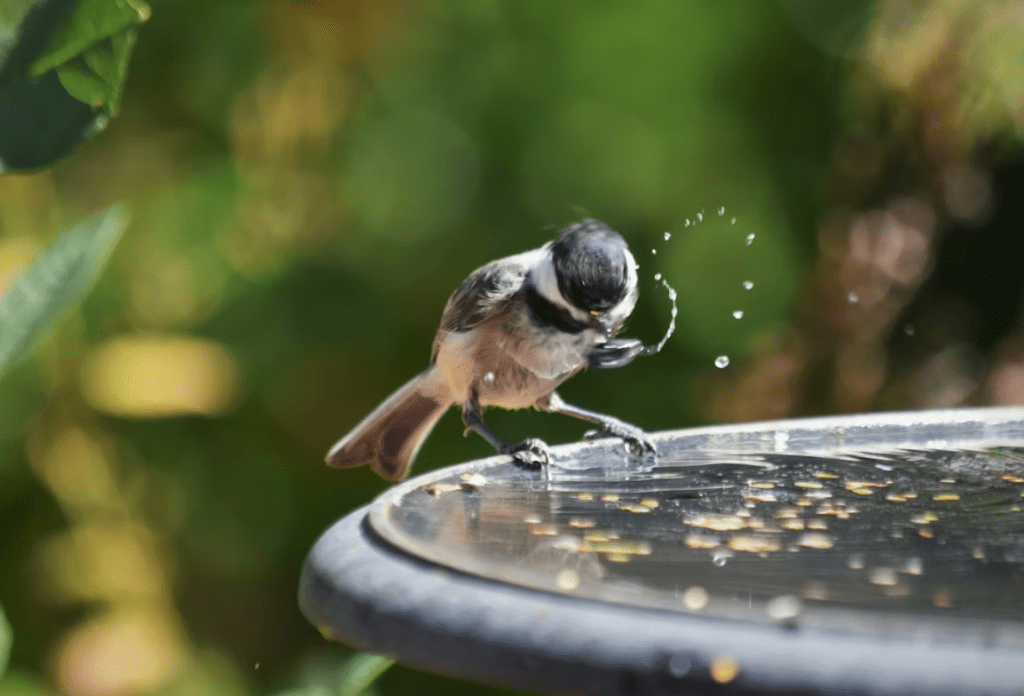
The challenge is that most people set up a bird bath once and forget about it. In summer heat, a neglected bird bath becomes a health hazard faster than an empty feeder. Stagnant water grows algae within days. Mosquitoes lay eggs in still water. And a bird bath sitting in direct sun can heat up to over 100°F — temperatures that birds will avoid entirely.
This guide covers everything you need to know about attracting birds with water in summer: the best types of water sources, where to place them, how to keep them clean, and species-specific setups that will turn your backyard into a summer bird sanctuary.
Table of Contents
Understanding Why Water Attracts Birds in Summer
Birds need water for two critical functions: drinking and feather maintenance.
Drinking: In summer, birds lose water through evaporation and panting (birds don’t sweat). Small birds like chickadees and finches can lose up to 5% of their body weight in water on a hot day. A reliable water source is literally a matter of survival.
Feather maintenance: Bathing keeps feathers clean, aligned, and waterproof. Damaged or dirty feathers reduce flight efficiency by 20-30% and compromise insulation. Hummingbirds, in particular, must keep their feathers in perfect condition to maintain their hovering ability — one of the most energy-intensive flight modes in the animal kingdom.
Water versus food: In winter, high-fat foods are the priority. In summer, water takes the lead. A feeder without water in July will attract fewer birds than a simple dish of clean water with no food nearby. If you can only add one thing to your backyard setup this summer, choose water.
If you’re also adjusting your feeding routine for the season, our previous article on summer bird feeding tips covers the essential adjustments for seed feeders in hot weather.
Types of Water Sources for Summer Bird Attraction
1. Pedestal Bird Baths — The Classic Standard
A pedestal bird bath is the most recognizable water source for birds. These elevated baths (typically 24-36 inches tall) offer several advantages in summer:
- Elevation makes birds feel safer from ground predators like cats
- Stable base prevents tipping
- Wide basin (12-18 inches across) accommodates multiple birds
Best material for summer: Glazed ceramic or concrete stay coolest in the heat. Avoid dark-colored metal baths, which can heat the water to dangerous temperatures in direct sun. For a versatile option that works both as a water source and feeding station, a tray feeder and bird bath combo offers the best of both worlds.
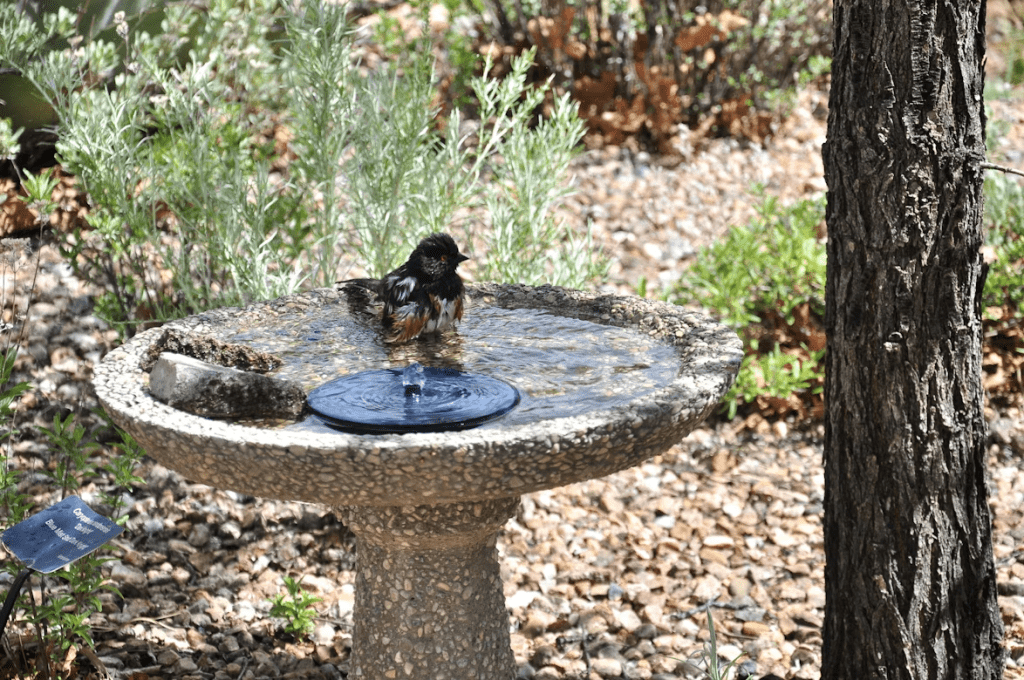
Depth rule: The water should be no deeper than 2 inches at the center. Birds prefer shallow water where they can stand comfortably. Add a flat stone or two to the center of the bath to create shallow perching spots.
2. Ground-Level Bird Baths — The Natural Choice
Many birds prefer bathing at ground level. Robins, thrushes, sparrows, and doves are naturally drawn to shallow puddles, and a ground-level bath mimics this perfectly.
Setup tips for ground baths:
- Use a wide, shallow dish (no deeper than 1-2 inches)
- Place a few flat stones inside for perching
- Position near dense shrubs (3-5 feet away) so birds can retreat to cover quickly
- Change water daily — ground baths collect dirt, leaves, and debris faster than elevated ones
3. Misters — The Hummingbird Magnet
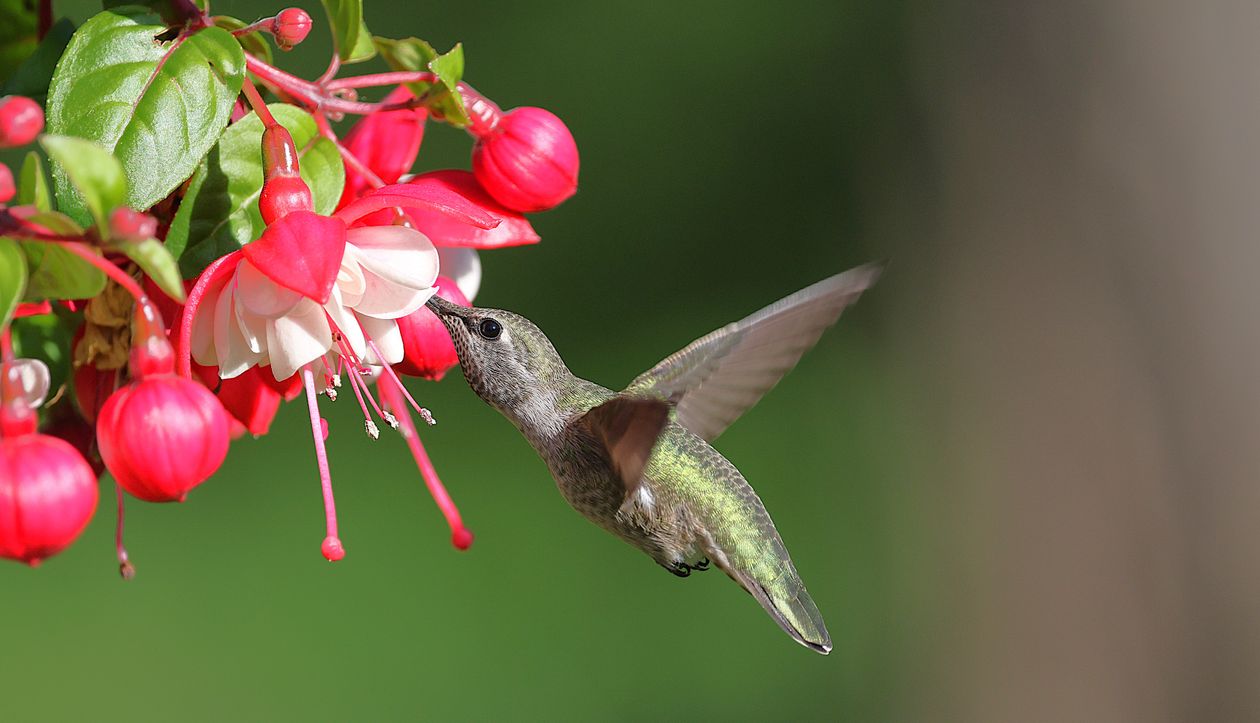
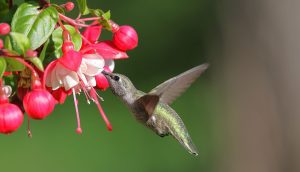
A mister attaches to a garden hose and creates a fine spray of water. Hummingbirds are particularly attracted to misters — they fly through the spray to bathe and cool off simultaneously. Many smaller songbirds also enjoy misters during heat waves.
Where to hang your mister:
- From a tree branch, shepherd’s hook, or the eaves of a porch
- 4-6 feet above ground level
- Near dense foliage (the water collects on leaves, creating natural drinking stations)
- 3-5 feet away from your hummingbird feeder
When to run it: Late morning to early afternoon during the hottest part of the day. A 30-minute session can bring in more hummingbird activity than an hour of feeder watching. Pairing a mister with other garden yard essentials creates a complete backyard bird habitat that keeps birds coming back all season.
4. Drippers — The Sound That Sells
A dripper creates a slow, steady drip into a bird bath or shallow dish. The sound of dripping water is one of the most powerful bird attractants available. Birds learn to associate that sound with a fresh, clean water source.
Dripper options:
- Battery-operated drippers — self-contained units that recirculate water
- Hose-attachment drippers — simple valve that creates a slow drip
- DIY dripper — hang a bucket with a pinhole above the bath, refill daily
Combining a dripper with a pedestal bird bath creates the most effective water station you can build. The visual of the water surface plus the sound of dripping attracts birds from a surprisingly wide radius.
5. DIY Water Stations
If you’re not ready to invest in a formal bird bath, a simple DIY option works nearly as well:
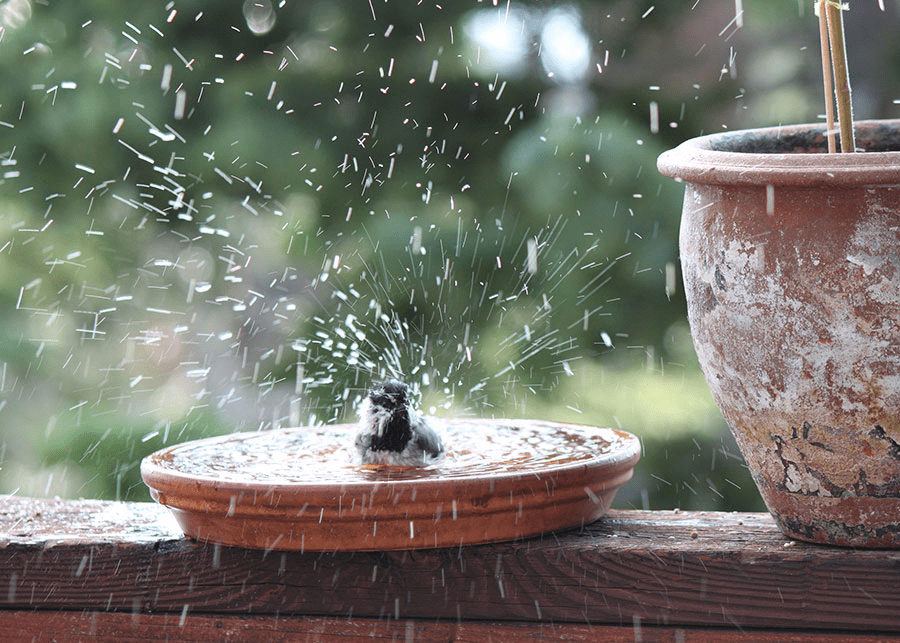
- Terracotta plant saucer — unglazed terracotta stays coolest, looks natural
- Shallow baking dish — add a few stones for perching
- Large plate — place on a tree stump or flat rock
The key requirements are the same regardless of the container: shallow water (1-2 inches deep), stable placement, easy access, and regular cleaning.
Where to Place a Bird Bath in Summer
Placement is the difference between a bird bath that birds use daily and one that sits untouched. These five placement rules apply to bird baths of all types.
Rule 1: Shade is Non-Negotiable in Summer
A bird bath in full sun will heat its water to 90-110°F within hours on a hot day. Birds will avoid water at these temperatures. Place your bath where it receives morning sun but is shaded during the hottest afternoon hours (12 PM to 4 PM).
A shaded bird bath also:
- Slows algae growth by 50-70%
- Keeps water comfortable for drinking (birds prefer water between 50-75°F)
- Reduces evaporation by 30-40%, meaning less frequent refilling
Rule 2: Maintain the Safety Distance
Place the bird bath 8-12 feet from the nearest shrubs, bushes, or dense cover. This escape distance gives birds the security of knowing they can reach cover quickly if a predator appears, while also keeping them far enough from hiding spots where cats or other predators could ambush them.
Rule 3: Make It Visible from Above
Birds spot water by sight more than by sound. Place the bath in an open area where birds flying overhead can see the reflective surface of the water. A bath tucked under a dense tree canopy may never be discovered, no matter how clean the water is.
Rule 4: Respect the Window Safety Zone
Window collisions kill an estimated 100 million to 1 billion birds annually in the United States. If placing a bird bath near a window:
- Safe zone: Within 3 feet of the window (birds can’t build enough speed for a fatal collision)
- Danger zone: 3-30 feet from the window (fatal collision risk is highest here)
- Safe zone: More than 30 feet away (birds have room to maneuver)
Either place the bath within 3 feet of the window or more than 30 feet away. Avoid the middle ground.
Rule 5: Elevation Guide by Bird Type
Different species prefer different bath heights:
| Height | Attracts | Best Setup |
|---|---|---|
| Ground level | Robins, sparrows, doves, towhees | Ground dish, shallow pan |
| 2-3 feet | Chickadees, finches, cardinals | Low pedestal bath |
| 3-5 feet | Titmice, nuthatches, woodpeckers | Standard pedestal bath |
| 5-6 feet | Hummingbirds, warblers | Hanging bath or mister |
For a deeper look at placement principles that apply to both feeders and baths, our bird feeder setup and placement guide covers the full setup strategy.
How to Clean a Bird Bath in Summer
Summer heat accelerates everything — including algae growth, bacterial buildup, and mosquito breeding. A bird bath that isn’t cleaned regularly can harm the very birds you’re trying to help.
Cleaning Schedule
| Condition | Frequency |
|---|---|
| Hot weather (85°F+) | Every 2 days |
| Normal summer conditions | Twice a week |
| With dripper or fountain | Weekly (moving water slows buildup) |
| Ground-level bath | Every 2 days (collects more debris) |
Step-by-Step Cleaning Process
- Empty the water completely
- Scrub the entire surface with a stiff brush and a 1:1 white vinegar-and-water solution. White vinegar is effective against algae and safe for birds when rinsed properly. Dedicated bird bath accessories like scrubbing pads and long-handled brushes make this step much easier for deep pedestal baths.
- Pay attention to corners — algae and bacteria concentrate in the textured surfaces and corners of the basin
- Rinse thoroughly — continue rinsing until no vinegar smell remains
- Refill with fresh, cool water
- Repeat every 2-3 days in summer heat
Never use bleach or harsh chemical cleaners. Birds have sensitive respiratory systems, and any chemical residue left behind can be harmful. Vinegar is the only household cleaner that’s both effective and bird-safe.
For a complete cleaning guide that covers bird feeders and baths together, see our bird feeder cleaning guide — the same principles apply.
How Different Bird Species Use Water
Understanding which birds prefer which water setups will help you choose the right approach for your yard.
Chickadees and Titmice: These small, active birds prefer elevated baths with a stable perch. A standard pedestal bath 3-5 feet off the ground is ideal. They’re drawn to moving water — adding a dripper to your setup will increase their visits significantly.
Robins and Blue Jays: Both prefer ground-level or very low baths. They’re bold birds that will use open water sources, but they still want a quick escape route to nearby shrubs.
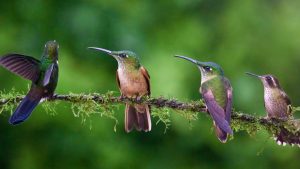
Hummingbirds: Misters are the best water source for hummingbirds. Fine spray mimics dew on leaves, which is how hummingbirds naturally drink and bathe in the wild.
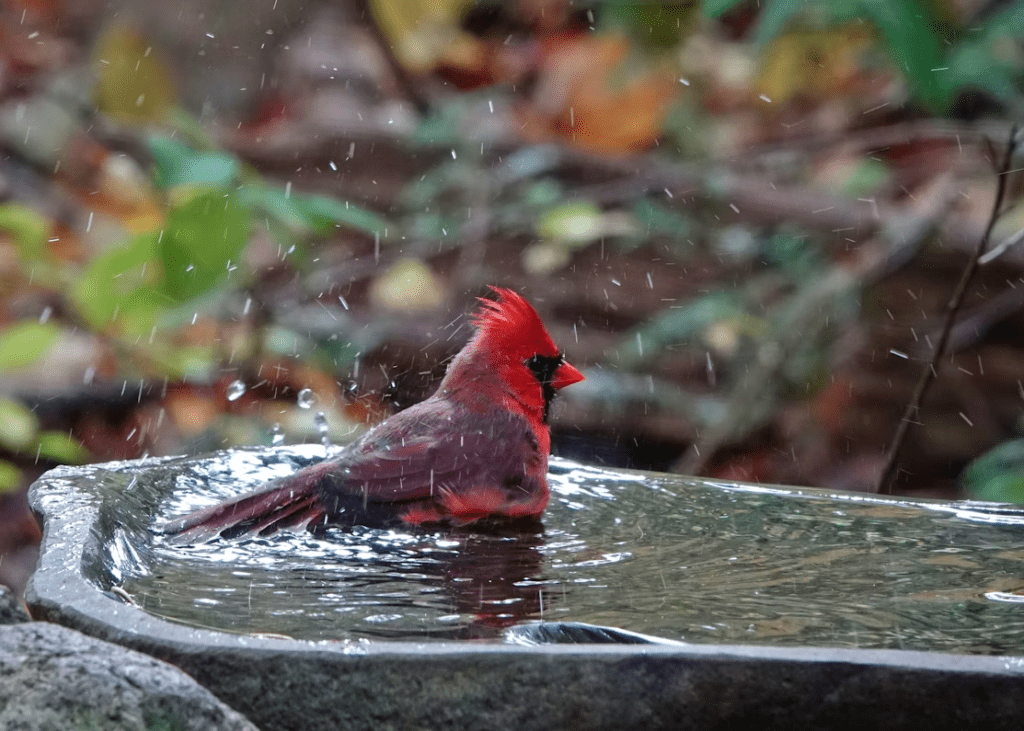
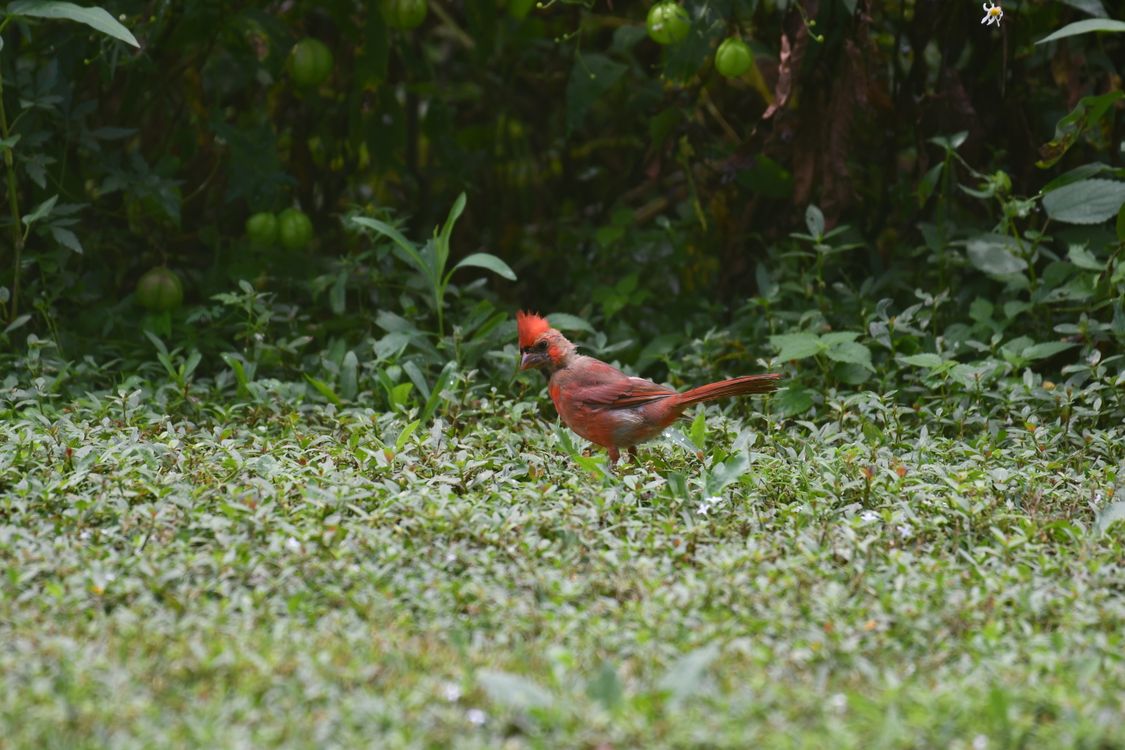
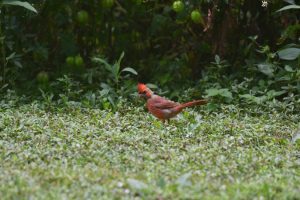
Cardinals and Finches: Mid-height pedestal baths in semi-open areas. Cardinals prefer a bath with a wide, stable rim where they can perch before entering the water.
Woodpeckers: Heavier birds that need a stable, wide-rimmed bath. They prefer elevated positions (4-6 feet) near tree trunks.
Common Summer Bird Bath Problems
Mosquitoes in Standing Water
Mosquitoes lay eggs in still water, and larvae can mature in as little as 4-7 days. The simplest solution is to change the water every 2 days — fast enough to prevent larvae from reaching maturity. Adding a dripper, fountain, or bubbler also prevents mosquitoes by keeping the water surface moving.
Green Algae Overgrowth
Warmth plus sunlight plus nutrients from bird droppings creates the perfect conditions for algae. A 1:1 white vinegar scrub every 2-3 days keeps algae under control. Moving the bath to a shadier location also slows algae growth significantly.
Water Gets Too Hot
A shallow bath in full sun can exceed 100°F within hours. Relocate to a spot with afternoon shade, or add floating objects (cork, a plastic bottle) that create small areas of shade on the water surface.
Larger Animals Using the Bath
Squirrels, raccoons, and even deer may use a bird bath. A pedestal bath with a narrower base is more unstable for larger animals. Avoid placing the bath near fences or low tree branches that provide easy access for climbing animals.
Frequently Asked Questions
What is the best type of bird bath for summer?
A glazed ceramic or light-colored concrete pedestal bath placed in partial shade. These materials stay cooler than metal or dark plastic, and the elevation provides safety from ground predators.
How often should I change bird bath water in summer?
Every 2 days in hot weather (85°F+). Water left longer than 2-3 days is likely to grow algae and attract mosquitoes. Change it more frequently if you notice debris, droppings, or cloudiness.
Do birds prefer warm or cold water?
Birds prefer water between 50-75°F. In summer, this means keeping the bath in the shade. Water above 85°F is uncomfortable for most birds, and water above 100°F can be dangerous.
Can I add a dripper to any bird bath?
Most standard bird baths are compatible with dripper attachments. Look for a dripper kit that includes a small valve and tubing. If your bath has a mounting hole or a flat rim, you can install one.
How do I keep mosquitoes from breeding in my bird bath?
Change the water every 2 days (before mosquito larvae can mature) or add a dripper/fountain to keep the water surface moving. Mosquitoes only lay eggs in still water.
Should I put a bird bath in the sun or shade?
Shade, especially afternoon shade. A bird bath in full summer sun will heat the water to uncomfortable temperatures and grow algae much faster. Morning sun is fine, but shade during the hottest part of the day is essential.
What depth should a bird bath be?
No deeper than 2 inches at the center. Many birds prefer 1-1.5 inches. Add flat stones or pebbles to create shallow areas within the bath. Birds need to stand in the water, not swim.
Can I put ice cubes in a bird bath to cool the water?
Yes, ice cubes in a bird bath can help keep the water cool during extreme heat waves. Use plain water ice (no dyes or flavorings). This is a simple, effective hack for heat waves.
Key Takeaways
- Water beats food in summer — a clean water source will attract more species than any other single addition to your yard
- Place in shade — a bird bath in direct sun will go unused and grow algae rapidly
- Keep it shallow — 1-2 inches maximum depth with flat stones for perching
- Clean every 2-3 days — more frequently in extreme heat or for ground-level baths
- Add sound — a dripper or fountain dramatically increases bird visits by signaling fresh water
- Layer your water sources — combine a pedestal bath with a mister and a ground dish to attract the widest variety of species
A simple bird bath, properly placed and maintained, can transform your backyard’s bird traffic in ways that food alone cannot match. Start with one clean, shaded water source this summer, and watch what happens.

1 comment