How to Attract Goldfinches to Your Backyard: Nyjer Seed, Feeders & Summer Nesting Guide
If you’ve ever watched a goldfinch land on a feeder, you know why they’re among the most beloved backyard birds in North America. Their bright yellow plumage is unmistakable — a flash of sunlight against green leaves. According to Project FeederWatch data from the Cornell Lab of Ornithology, the American Goldfinch is consistently ranked among the top 10 most-reported feeder birds across the United States, visiting nearly 40% of all feeders in the eastern half of the country.
What many birders don’t realize is that goldfinches operate on a completely different schedule from most songbirds. While robins and cardinals are raising their first broods in early spring, goldfinches wait until mid-summer to nest. That means July is prime time for attracting them — and the peak of their feeding activity aligns perfectly with your summer birding.
If you want to bring these beautiful birds to your yard, you need the right seed, the right feeder, and an understanding of their unique lifecycle. This guide covers everything you need to know about how to attract goldfinches effectively.
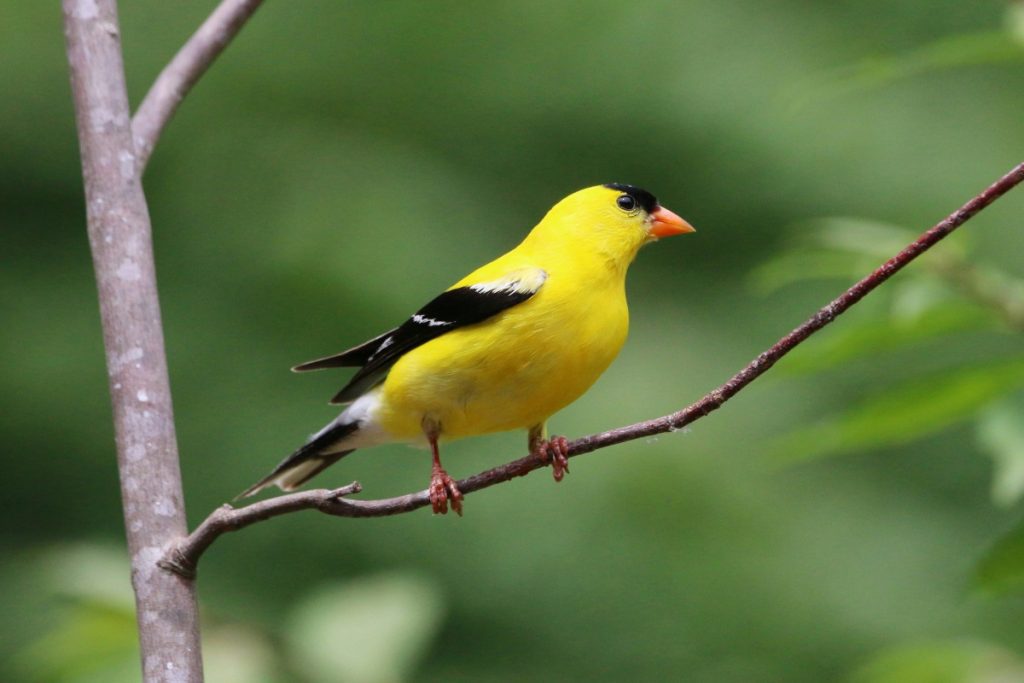
Table of Contents
Why Goldfinches Are Different from Other Backyard Birds
Goldfinches are not like cardinals, chickadees, or blue jays. They have three key biological differences that affect how you attract them and what they need from your yard.
1. They Are Almost Exclusively Seed-Eaters
While many backyard birds switch to insects during breeding season to feed their protein-hungry chicks, goldfinches remain strict vegetarians throughout the entire year. They feed almost entirely on seeds from composite plants like sunflower, dandelion, thistle, and aster. Even their chicks are fed a regurgitated seed mash rather than insects.
This makes their dietary needs very specific. If you offer the wrong type of seed, goldfinches simply won’t come. They lack the digestive flexibility of sparrows or chickadees.
2. They Nest Extremely Late
Most North American songbirds nest in April through June. Goldfinches wait until July and August. Why? Two reasons:
First, their nest-building material of choice is thistle down — the soft, fluffy pappus from thistle seed heads. Thistle plants don’t produce this down until mid-summer. Second, their chicks need a steady supply of ripe seeds, which are most abundant in late summer when wild plants have gone to seed.
This late nesting schedule is unique among feeder birds and has major implications for when you should keep your feeders stocked.
3. They Undergo a Complete Molt
In late summer, male goldfinches lose their brilliant yellow feathers entirely and transition to a dull olive-brown plumage nearly identical to females. This is one of the few complete molts among North American finches — most birds molt gradually. The molt requires significant energy and protein, which is why reliable food sources during August and September are critical for goldfinch health.
By February, males begin their pre-alternate molt back into breeding plumage, gradually replacing brown feathers with bright yellow ones. This transformation is subtle at first and takes several months to complete.
The One Seed Goldfinches Can’t Resist: Nyjer (Thistle) Seed
If you want to know how to attract goldfinches, start with the seed. Nyjer seed (often called thistle seed, though it’s botanically from the Guizotia abyssinica plant native to Ethiopia) is the gold standard for attracting goldfinches.
Nyjer is a small, black, oil-rich seed imported from Africa and Asia. It has a very high oil content — around 35-40% — making it highly attractive to finches while largely ignored by other backyard birds. House sparrows, chickadees, and cardinals will generally pass over nyjer because their beaks aren’t designed to crack such tiny seeds.
What Else Do Goldfinches Eat?
While nyjer is their favorite, goldfinches will also eat several other foods:
- Hulled sunflower chips: Goldfinches love black-oil sunflower seeds, but only the hulled version. They have trouble cracking whole sunflower seeds open with their small, cone-shaped beaks. Sunflower chips are convenient, produce no waste, and attract goldfinches almost as well as nyjer.
- Chopped peanuts: Finely chopped or crushed peanuts can supplement their diet, especially in early spring before nyjer consumption peaks. Offer these in a separate tray feeder to avoid mixing with nyjer.
- Natural seed heads: Goldfinches forage extensively on dandelion, cosmos, zinnia, coneflower, and black-eyed Susan seed heads. Leaving spent flowers standing in your garden through winter provides months of natural foraging opportunities.
- Nyjer seed cylinders or cakes: Some manufacturers press nyjer seed into cake form. These can be placed in suet-style feeders and work well as an alternative to loose seed.
How to Choose Fresh Nyjer Seed
Nyjer has a short shelf life — about 6 months from milling. After that, the oils degrade and the seeds lose their appeal. Here’s how to tell if your nyjer is still good:
- Fresh nyjer smells slightly nutty or earthy when you open the bag.
- Old nyjer has no smell at all, or smells musty.
- Fresh nyjer is uniformly black with a slight sheen.
- Old nyjer looks dusty and may have grayish seeds mixed in.
Always check the expiration date on the bag and buy from a high-turnover retailer. If goldfinches suddenly stop visiting your feeder, stale seed is the most likely cause.
What Kind of Feeder Works Best for Goldfinches?
Not all feeders work for goldfinches. Their small size, lightweight bodies, and specific feeding style require feeders designed for tiny seeds and acrobatic perching. Here is a breakdown of the options.
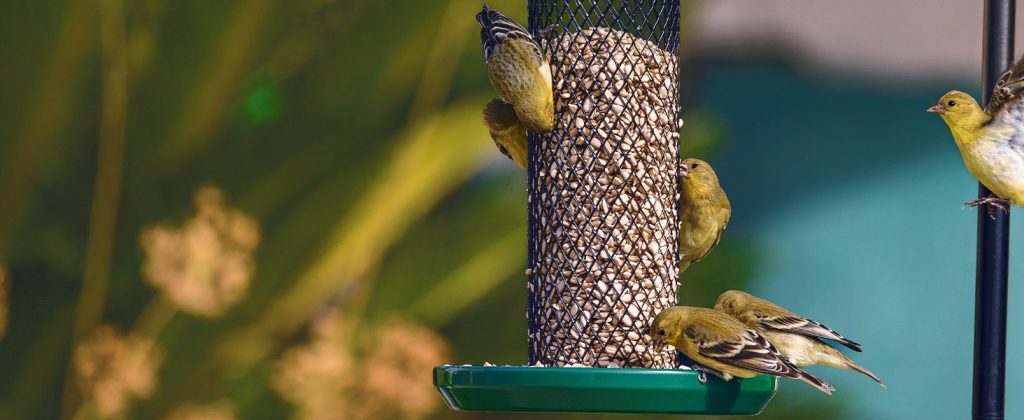
Mesh / Thistle Feeders — Best for Nyjer
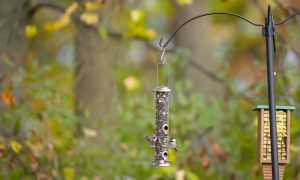
The classic goldfinch feeder is a tube-shaped mesh feeder. These have tiny mesh openings that release small amounts of nyjer seed while keeping it dry. The mesh design allows multiple goldfinches to feed simultaneously from different positions, which they love to do in flocks. When one goldfinch finds a feeder, they quickly signal to others, and within days you can have a dozen or more visiting regularly.
Kingsyard’s goldfinch feeders include mesh-style feeders designed specifically for nyjer seed. The fine mesh construction prevents seed waste by releasing only the amount birds consume, and the enclosed design keeps the contents dry in humid summer conditions. Many models include a built-in tray at the bottom that catches loose seed and gives goldfinches an additional feeding surface.
Tube Feeders with Small Ports
Standard tube bird feeders can also work for goldfinches if the feeding ports are small enough — typically 1/8 inch or less. Goldfinches are acrobatic and will cling to any perch, often feeding upside down just for fun. Look for tube feeders specifically labeled for finches or nyjer seed. Some models come with metal ports that are adjustable, letting you control seed flow and prevent waste.
Metal Mesh Feeders
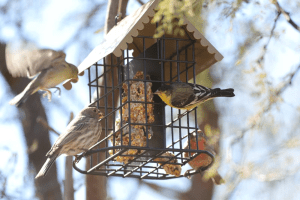
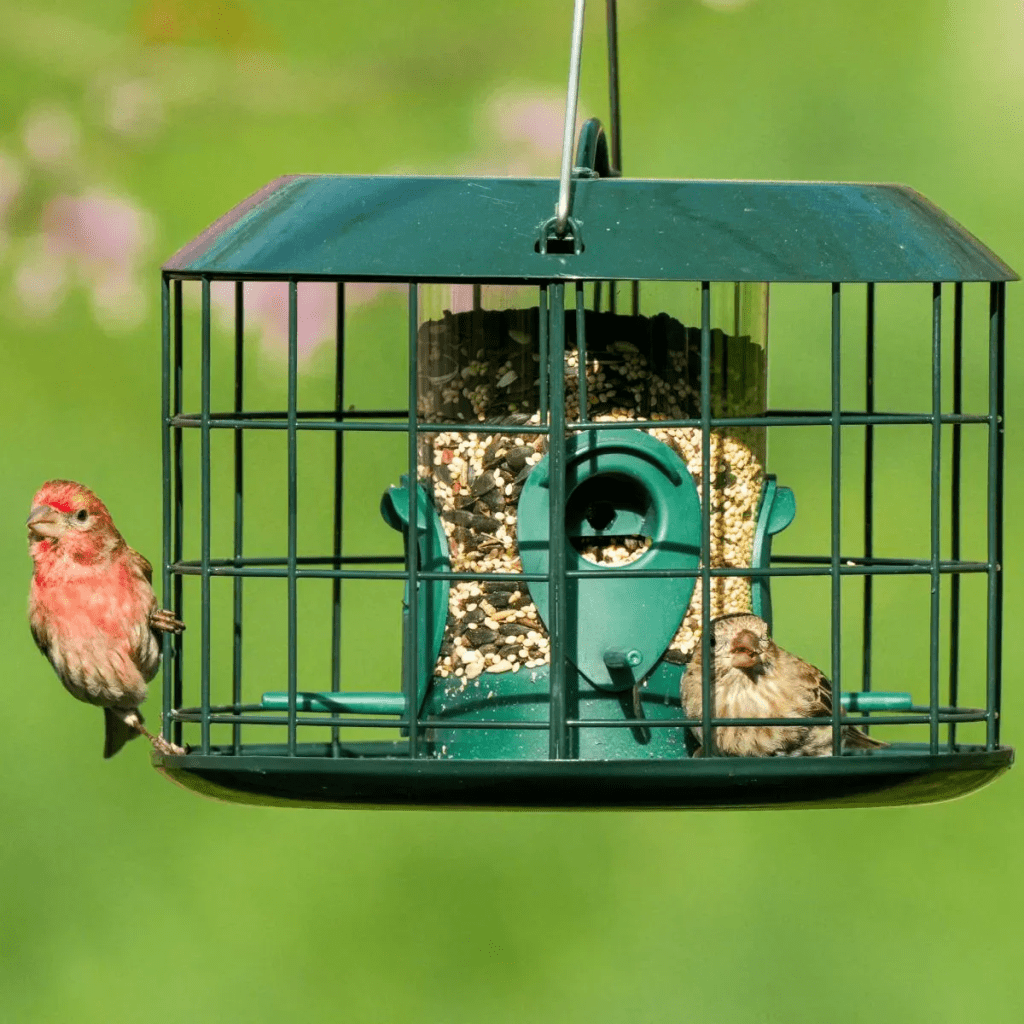
For maximum durability and squirrel resistance, metal mesh bird feeders are an excellent long-term investment. These feeders are constructed from welded steel mesh that holds up against all weather conditions. Squirrels cannot chew through the metal, and the materials resist UV degradation far better than plastic mesh feeders. Goldfinches have no trouble clinging to the steel surface and can access seeds from any position on the feeder.
Platform Feeders — Less Common but Effective
Goldfinches will visit platform feeders, especially when sunflower chips are offered. However, the open design of platform feeders exposes nyjer seed to rain and humidity, causing clumping and rapid spoilage. If you use a platform feeder, offer hulled sunflower chips instead of nyjer, and position it under some overhead cover.
Nyjer Sock Feeders
A simple mesh tube, often called a “nyjer sock,” is one of the most affordable options. These fabric or nylon mesh socks are filled with nyjer seed and hung from a hook. Goldfinches cling to the fabric and pull seeds through the mesh. The downside? They cannot be cleaned easily and need regular replacement.
Pro tip: Goldfinches prefer to feed in flocks. If possible, position two feeders near each other. The social feeding behavior makes them feel safer from predators, and once the flock discovers your feeders, they will return consistently.
When Is Goldfinch Nesting Season? A Complete Timeline
One of the most fascinating things about goldfinches is their late nesting season. While most birds have completed one or even two broods by July, goldfinches are just beginning. Understanding this timeline helps you plan your feeder maintenance and seed purchasing schedule.
Month-by-Month Goldfinch Activity
| Month | Goldfinch Activity | Feeder Strategy |
|---|---|---|
| May & June | Flocks begin forming pairs. Males perform distinctive undulating courtship flights over territories. | Maintain steady supply. Goldfinches are gathering for nesting. |
| July | Peak nest building. Females construct intricate cup nests woven from plant fibers, spider silk, and lined with thistle down. | Increase supply. Parent birds need extra calories. |
| Early August | Females lay 4-6 pale blue eggs, one per day. Incubation lasts 12-14 days, with females doing all incubation while males bring food. | Keep feeders full. Males are working hard. |
| Late August | Eggs hatch. Chicks are altricial (helpless) and are fed regurgitated seed mash every 15-30 minutes. | Peak feeding period. Expect 2x normal seed consumption. |
| September | Fledglings leave the nest 11-17 days after hatching. Adults begin their complete molt. | Continue full supply. Molt and fledgling care are energy-intensive. |
Why They Nest So Late
The timing is driven entirely by food availability. Goldfinch chicks are fed almost exclusively seeds — not insects like most songbird chicks. By nesting in late summer, goldfinch parents have access to abundant ripe seeds from thistles, dandelions, coneflowers, and other wild plants. A reliable supply of nyjer seed at your feeder during this period provides critical supplementary food for nesting parents and their hungry chicks.
How Your Feeder Helps Local Goldfinch Populations
During nesting season, parent goldfinches visit feeders frequently to collect seeds for their young. According to research from the Cornell Lab of Ornithology, goldfinches consume up to 50% more seed during chick-rearing periods compared to non-breeding months. A single breeding pair can consume 2-3 pounds of nyjer seed over a summer season.
Keeping your feeder well-stocked from July through September can make a measurable difference in local goldfinch breeding success. Nestlings that receive adequate nutrition fledge earlier and have higher survival rates during their first critical weeks.
How to Keep Goldfinches Coming All Summer
Attracting goldfinches is one thing. Keeping them around requires attention to a few critical factors.
Keep Nyjer Fresh
This cannot be overstated. Nyjer seed degrades faster than any other bird seed. In summer heat and humidity, nyjer can spoil in as little as two weeks. Buy in small quantities (5-pound bags are ideal for a single-feed setup) and store seed in a sealed container in a cool, dry location. Never store nyjer in direct sunlight or in a hot garage.
Clean Feeders Monthly
Mesh feeders trap moisture and old seed dust, creating an ideal environment for mold and bacteria. At least once a month, empty your mesh feeder completely and wash it with hot water and a mild bleach solution (1 part bleach to 9 parts water). Rinse thoroughly and let it dry completely before refilling. Birds can contract salmonella and other diseases from dirty feeders, and a single contaminated feeder can spread illness through an entire local goldfinch population. Our bird feeder cleaning guide covers this in detail.
Offer Water Nearby
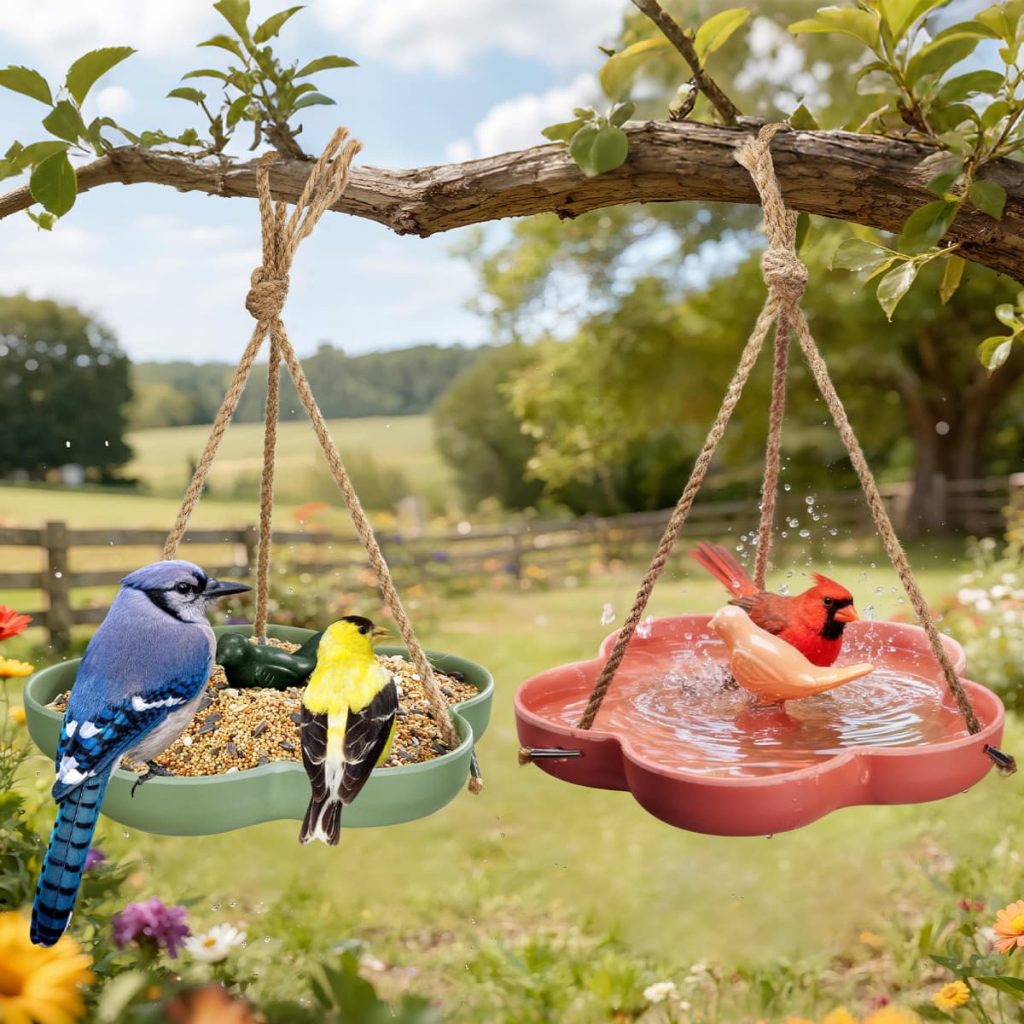
Goldfinches need water for drinking and bathing, especially during hot summer days. Position a bird bath within sight of your feeder but within 10-15 feet of protective cover. Goldfinches are strongly attracted to moving water, so adding a dripper, mister, or solar fountain will significantly increase visits. We covered how to set this up in our summer bird bath guide.
Provide Natural Cover
Goldfinches are cautious birds. They prefer feeders positioned near trees or shrubs where they can retreat quickly if they sense danger. Ideally, place your feeder within 10-15 feet of a deciduous tree or dense shrub — close enough for quick escape but far enough that squirrels cannot jump from the tree to the feeder.
Keep Feeding Through Summer
Many people take down their feeders in summer, assuming birds don’t need supplemental food when natural sources are abundant. This is a mistake when it comes to goldfinches. Summer is their peak feeding season. Removing your feeder in June means you miss the entire nesting period. Keep feeding through at least October for best results.
What Colors Attract Goldfinches to Your Yard?
Goldfinches are highly visual birds. While feeder color alone has limited effect on attracting them, creating a goldfinch-friendly garden with the right plants can transform your yard into a magnet for these birds.
Best Plants for Goldfinches
Goldfinches forage naturally on the seed heads of flowering plants. By including these species, you create a self-sustaining food source that works even when your feeder runs low:
- Coneflowers (Echinacea): The large, sturdy seed heads are a goldfinch favorite. Leave them standing through winter.
- Black-eyed Susans (Rudbeckia): One of the top goldfinch-attracting plants. The seeds are perfectly sized for their small beaks.
- Sunflowers (Helianthus): Plant dwarf or medium varieties for small gardens. Goldfinches cling to the flower heads and extract seeds directly.
- Zinnias: Easy to grow from seed and produce abundant small seeds that goldfinches devour.
- Cosmos: The delicate, airy flowers produce dense seed clusters that goldfinches find irresistible.
- Milkweed (Asclepias): Beyond its value for monarch butterflies, goldfinches use the seed fluff as nesting material and eat the seeds.
- Asters: Late-blooming asters provide seeds through fall when other plants are done producing.
Garden Design Tips
Plant in clusters rather than single specimens — goldfinches prefer dense patches of flowers. Allow plants to go to seed naturally rather than deadheading. If you cut back spent flowers, leave the stalks standing in a designated “wild corner” of your yard. Goldfinches will find them.
And don’t clean up your garden too aggressively in fall. Dried seed heads provide a critical winter food source, and the visual value of frost-covered coneflower heads in a winter garden equals any manicured landscape.
How to Identify Goldfinches: Distinguishing American Goldfinches from Similar Species
Before you attract them, you need to know you’re looking at the right bird. The American Goldfinch (Spinus tristis) is the most widespread species, but there are a few look-alikes to be aware of.
Male American Goldfinch (Breeding Season)
- Vibrant canary yellow body with black forehead, wings, and tail
- White wing bars and white undertail coverts
- Distinctive undulating flight pattern — a series of dips and rises
- Call is a cheerful “po-ta-to-chip” or “per-chic-o-ree”
Female American Goldfinch
- Dull olive-yellow body with no black cap
- Yellowish wing bars (less distinct than males)
- Lighter belly and undertail coverts
Winter Plumage (Both Sexes)
- Brownish-olive body with pale yellow throat and face
- Black wings with buff-colored wing bars
- Often mistaken for sparrows by casual observers
Lesser Goldfinch (Western US)
- Similar to American but smaller
- Males have black (not yellow) back
- Range limited to western states
Pine Siskin
- Smaller, heavily streaked brown body
- Very thin, pointed bill
- Yellow edging on wings and tail
For more fascinating details about goldfinch behavior and traits, check out our collection of fun facts about goldfinches.
Evening Grosbeak
- Much larger with massive thick bill
- Males have bright yellow body with brown head
- Distinctive white wing patches
Common Goldfinch Feeding Mistakes
Even experienced birders make mistakes when trying to attract goldfinches. Here are the most common ones and how to avoid them.
Mistake 1: Using Cheap Mixed Seed Blends
Most budget seed mixes contain red milo, white millet, and cracked corn that goldfinches will never eat. They’ll scratch through the mix searching for sunflower chips, scattering most of the seed on the ground. The solution is simple: offer straight nyjer seed or straight hulled sunflower chips in dedicated feeders.
Mistake 2: Buying Old or Improperly Stored Seed
Stale nyjer is the #1 reason people think goldfinches have disappeared from their area. The birds are almost certainly still there — the seed just isn’t appealing. If goldfinches ignore your feeder for more than two weeks, replace the seed entirely with fresh stock.
Mistake 3: Using the Wrong Feeder Design
Goldfinches cannot efficiently use standard sunflower tube feeders. The ports are too large, the perches are too thick, and the seed openings don’t release nyjer properly. A dedicated mesh nyjer feeder is the most effective tool for goldfinch attracting. Use our guide to finding the best feeder for goldfinches to choose the right design.
Mistake 4: Neglecting Summer Cleaning
Mesh feeders trap moisture. In summer heat, mold forms quickly. A moldy feeder won’t just repel goldfinches — it can cause serious health problems including avian conjunctivitis and salmonellosis. Clean your goldfinch feeder at least once a month during peak season, and more frequently if you live in a humid climate.
Mistake 5: Stopping Feeding in Summer
Many people assume bird feeding is exclusively a fall-through-spring activity. But summer is prime goldfinch season. These birds depend on reliable food sources during two energy-intensive periods: nesting (July-August) and molting (August-September). If you take down your feeders in June, you miss the entire goldfinch nesting season.
Mistake 6: Placing Feeders in Vulnerable Positions
Feeders placed too far from cover make goldfinches feel exposed and vulnerable to hawk attacks. Feeders placed too close to cover allow squirrels to jump onto them. The sweet spot is 10-15 feet from trees or shrubs, ideally with a clear view of approaching predators.
Frequently Asked Questions About Attracting Goldfinches
Do goldfinches stay around in summer?
Yes. Goldfinches are present year-round across most of the continental United States. In summer, they are at their most active and visible, with males displaying breeding plumage and engaging in courtship flights. Summer is actually the best time to attract goldfinches to your yard.
What is the best feeder for goldfinches?
A mesh nyjer feeder is the most effective choice. These feeders are specifically designed with tiny openings that release just enough seed while keeping the contents dry and preventing larger birds from accessing them. Kingsyard offers a range of specialized nyjer thistle bird feeders built for this purpose.
Do goldfinches eat from tube feeders?
Yes, if the feeding ports are small enough (1/8 inch or smaller). Goldfinches are agile and will cling to any perch, often feeding upside down. However, dedicated mesh feeders designed for nyjer seed will always outperform tube feeders for goldfinches.
What month do goldfinches lay eggs?
Goldfinches typically lay eggs in early August, later than almost any other North American songbird. The female lays 4-6 pale blue eggs, one per day, with incubation beginning after the last egg is laid.
How do I attract goldfinches if I have no luck?
Follow this checklist: (1) Ensure you’re using fresh nyjer seed. (2) Use a dedicated mesh or nyjer-specific feeder. (3) Position the feeder near protective cover. (4) Be patient — it can take 2-3 weeks for goldfinches to discover a new feeder. Once one finds it, it will bring the whole flock.
Do goldfinches need water?
Absolutely. Goldfinches drink and bathe daily, especially in summer heat. A clean bird bath with moving water (dripper or mister) placed near cover will significantly increase your goldfinch activity.
What is the difference between nyjer seed and thistle seed?
They are the same product sold under different names. Nyjer (from Guizotia abyssinica) is the correct botanical name. The term “thistle seed” is a marketing nickname. Imported nyjer is heat-treated to prevent germination, so it will not sprout weeds under your feeder.
Can goldfinches eat from suet feeders?
Goldfinches are not typically suet eaters. They lack the strong beak and tongue structure that woodpeckers and nuthatches use to extract suet. Stick to nyjer seed and sunflower chips for best results.
Conclusion: Start Attracting Goldfinches This Summer
Goldfinches are one of the most rewarding backyard birds to attract. Their vivid yellow plumage, cheerful calls, and unique late-summer nesting habits make them a standout species in any yard. By understanding their specific needs — fresh nyjer seed, the right feeder design, water sources, and summer-long consistency — you can turn your backyard into a goldfinch hotspot.
Here are your three key takeaways:
- Use fresh nyjer seed in a dedicated mesh feeder for best results. Stale seed is the #1 reason goldfinches don’t visit.
- Keep feeding through summer — goldfinches are at their hungriest during July-September nesting and molting season.
- Provide water and natural plants alongside feeders to create a complete goldfinch-friendly habitat.
Whether you’re just getting started with backyard birding or looking to expand your feeder setup, Kingsyard offers a full range of bird feeders designed to attract a wide variety of species. For goldfinches specifically, browse our goldfinch feeder collection for feeders built to keep these beautiful birds coming back all summer long.