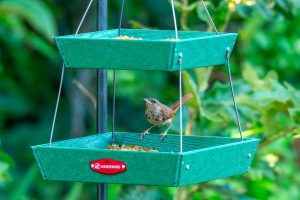
What Birds Are Active in July? A Complete Mid-Summer Backyard Birding Guide
July is a month of transition in the bird world. Spring migrants have settled into their breeding territories, the frantic dawn chorus of May has quieted, and a quieter, more methodical season of parenting begins. For backyard birders, July offers a unique opportunity to observe behaviors that are invisible in spring: fledglings learning to feed, goldfinches weaving their late-season nests, and hummingbirds making their first southward movements.
If you’ve ever looked at your yard in July and wondered where the birds went, the answer is: they’re still there. They’re just busy raising families. Knowing what to look for transforms July from a quiet birding month into one of the most rewarding of the year.
This guide covers which birds are active in July, what behaviors to watch for, and how to adjust your feeding strategy for mid-summer success.
Table of Contents
The July Birding Landscape: A Month of Dual Activity
July is unique because it spans two distinct phases of the avian calendar.
Early July: Nesting in Full Swing
In early July, many birds are at the peak of their nesting cycle:
- Goldfinches are just beginning to build nests — they nest later than all other songbirds.
- Hummingbirds are feeding fast-growing fledglings at nectar feeders and flowers.
- Robins, cardinals, and blue jays may be starting or completing a second brood.
- Eastern bluebirds are on their second or third clutch of the season if conditions are good.
- Woodpeckers have fledglings that are learning to feed independently at suet feeders.
Late July: Pre-Migration Begins
By late July, the first migratory stirrings begin:
- Hummingbirds in northern areas start their southward drift — males often leave first.
- Shorebirds begin moving south from Arctic breeding grounds, appearing at inland lakes and marshes.
- Orioles become less visible as they molt and prepare for migration.
- Swallows and swifts gather in large pre-migration flocks.
- Goldfinches reach peak nestling feeding activity.
This dual nature of July — part nesting, part migration — makes it a fascinating time to watch your feeders.
Top Birds to Watch for in July
Here are the species that are most active and visible in July backyards.
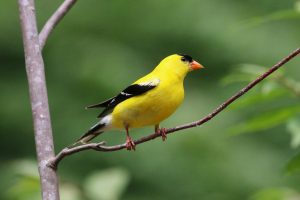
1. American Goldfinch — The July Specialist
No bird is more associated with July than the American Goldfinch. While every other songbird has already nested, goldfinches are just beginning. They wait for thistle plants to produce down for their nests and for seeds to become abundant.
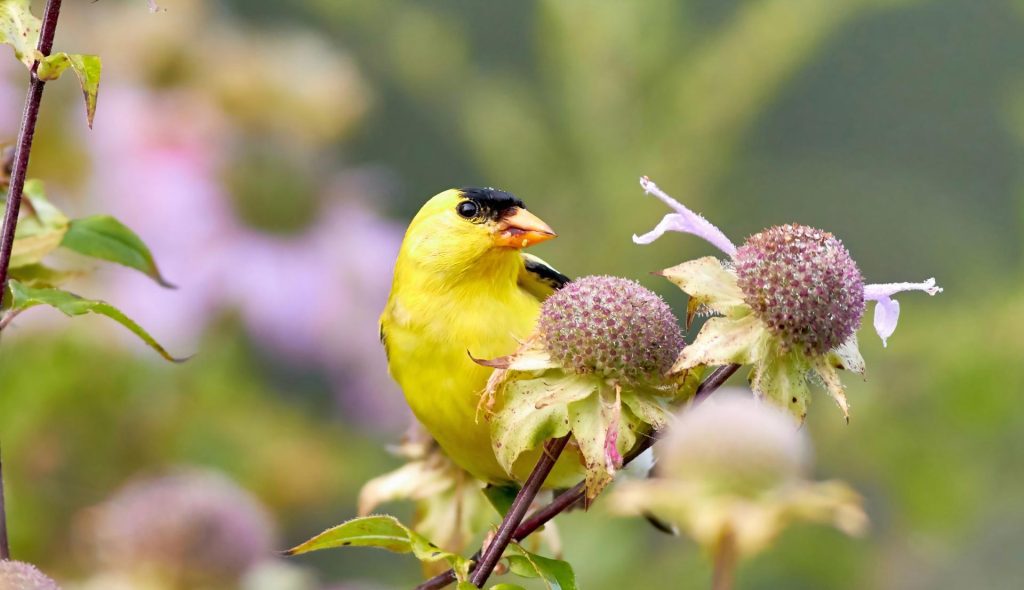
In July, you can observe:
- Males in brilliant breeding plumage chasing females in courtship flights
- Females collecting thistle down and plant fibers for nest construction
- Pairs visiting nyjer feeders multiple times daily for pre-nesting nutrition
Goldfinches are the only finch species that delays nesting until mid-to-late summer, making them a highlight of the July yard. For detailed information on their care, see our guide on how to attract goldfinches. Make sure you have a goldfinch feeder filled with fresh nyjer seed.
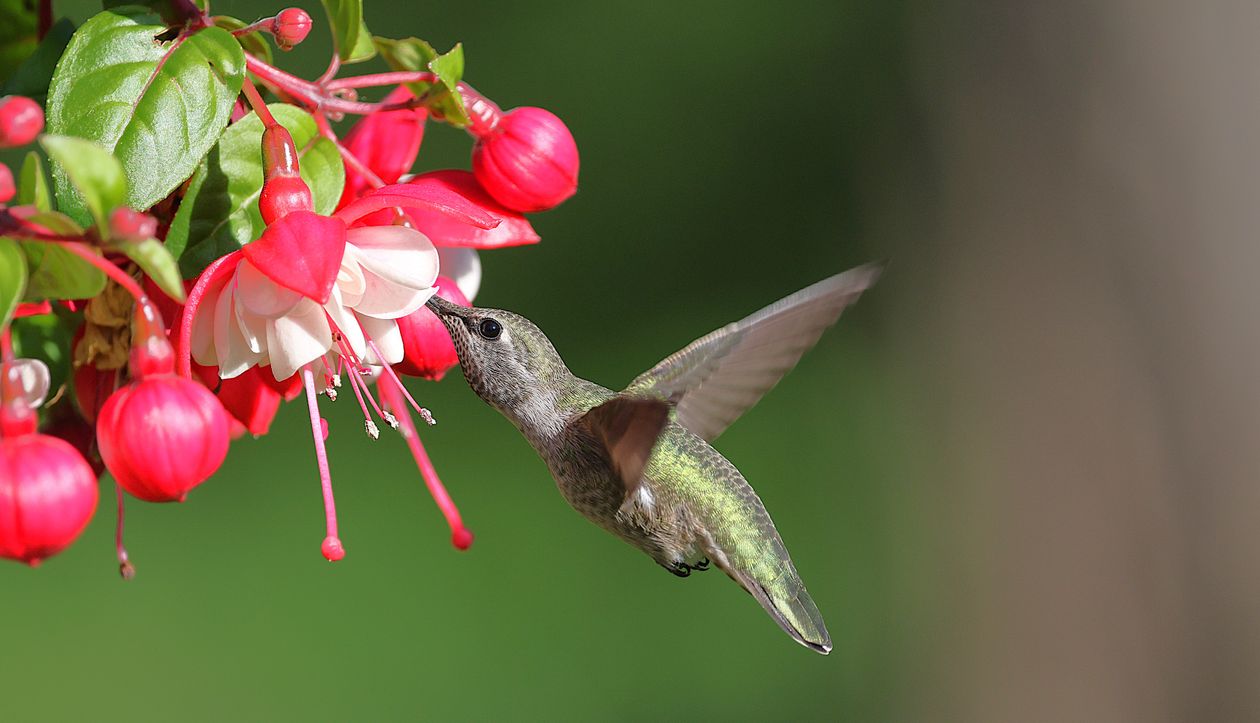
2. Ruby-Throated Hummingbird — Fledgling Season
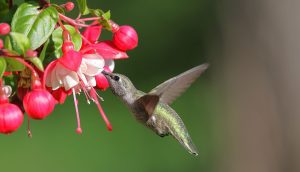
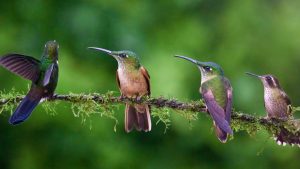
July is the peak month for hummingbird fledglings. Adult females are feeding young that have recently left the nest, visiting nectar feeders and flowers every 15-30 minutes.
What to watch for in July:
- Young males starting to develop ruby throats (barely visible in July, fully red by August)
- Aerial chases as juveniles practice feeding territory defense
- Increased nectar consumption as growing fledglings need more energy
Hummingbirds in July are also the first to begin southward movements, especially in northern states. Learn more in our summer hummingbird care guide for nectar recipes and feeder maintenance tips during this busy period.
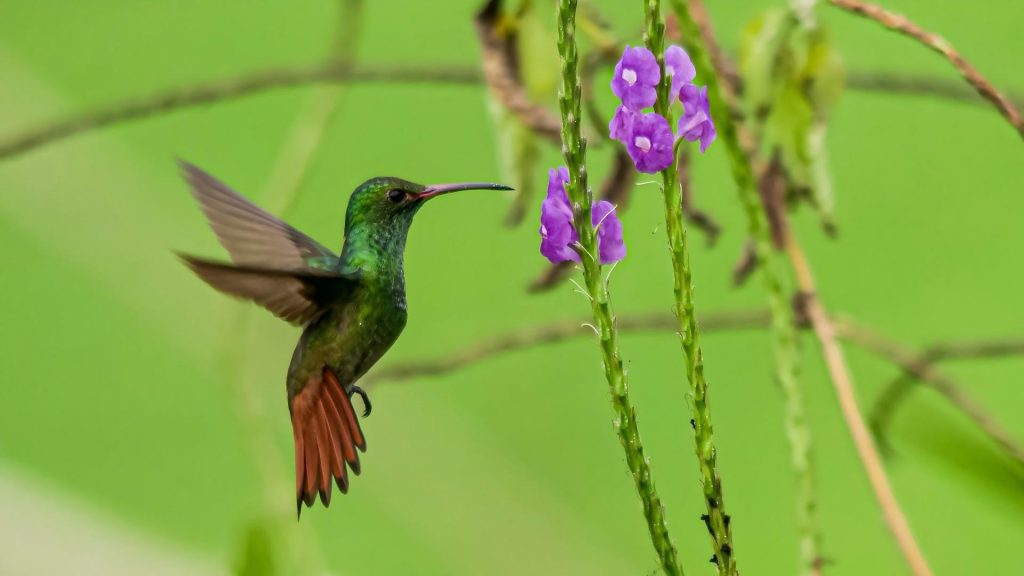
A good hummingbird feeder kept clean and full is essential during July, when demand from fledglings triples the normal feeding rate.
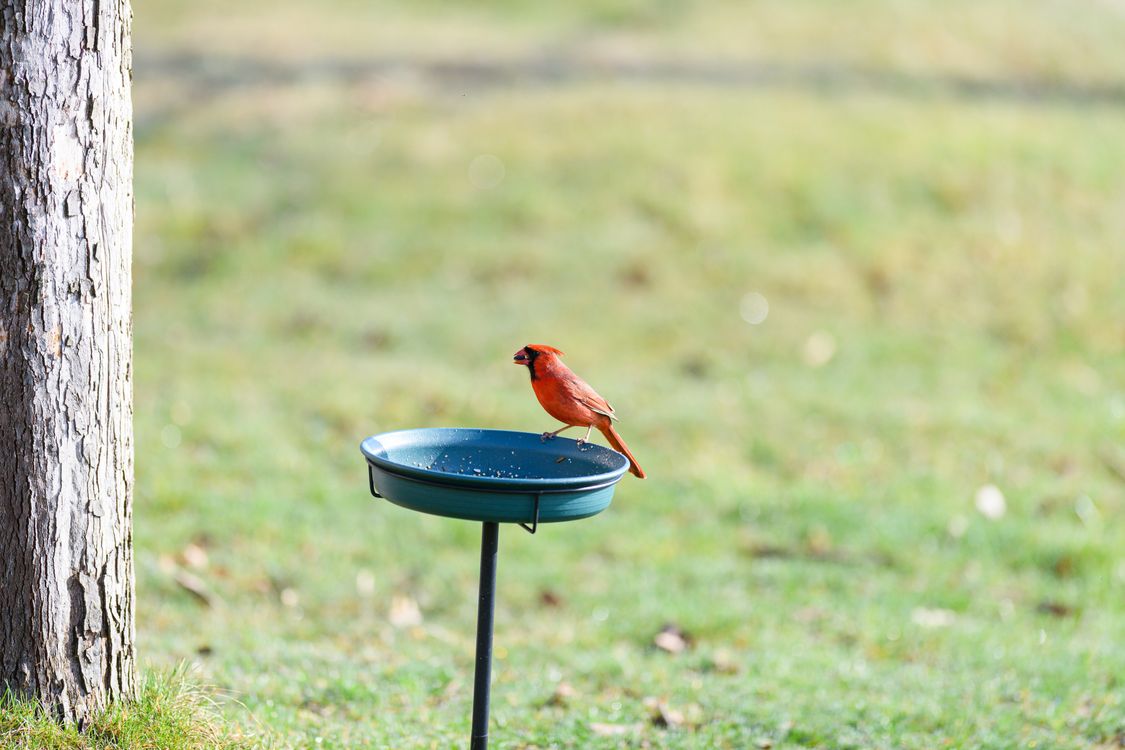
3. Northern Cardinal — Second Brood
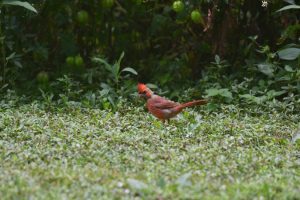
Cardinals are one of the few songbirds that regularly raise two or even three broods per season. In July, many cardinal pairs are feeding their second brood of the year.
Watch for:
- Adult cardinals carrying seeds and insects to hidden nest sites
- Fledglings with brownish-gray plumage and black beaks
- Males feeding females on the nest (courtship feeding)
- Family groups visiting feeders together
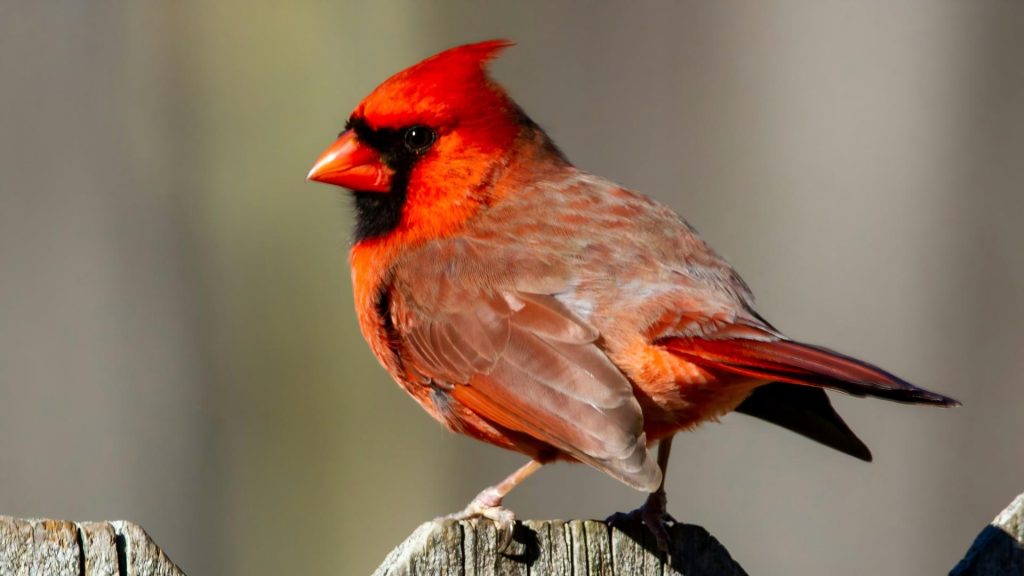
Cardinals are year-round residents and are active throughout summer. They prefer platform or hopper feeders with sunflower seeds. Kingsyard has a full line of bird feeders that work well for cardinals and other large perching birds.
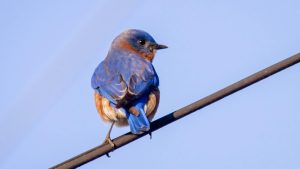
4. Eastern Bluebird — Ongoing Nesting
Bluebirds can raise two to three broods from March through August, depending on location. In July, many pairs are feeding nestlings or fledglings from a second or third clutch.
Bluebird activity in July depends heavily on:
- Availability of nest boxes (clean out old nests between broods)
- Insect abundance (mealworm feeders help supplement natural food)
- Access to water (bluebirds bathe frequently)
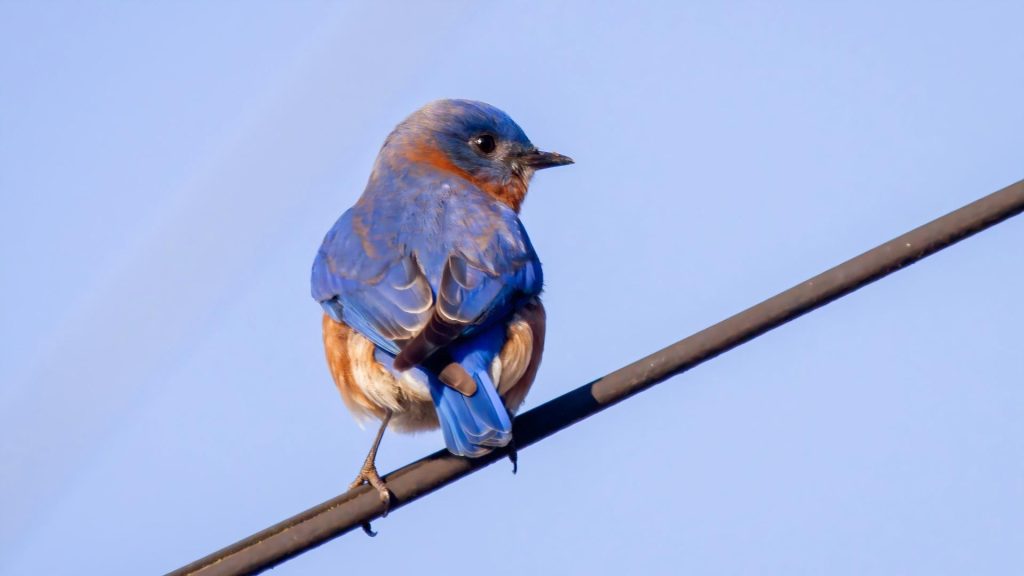
Our article on birdhouse tips covers how to maintain nest boxes for multiple broods throughout the season.
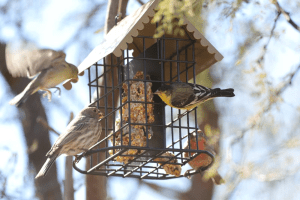
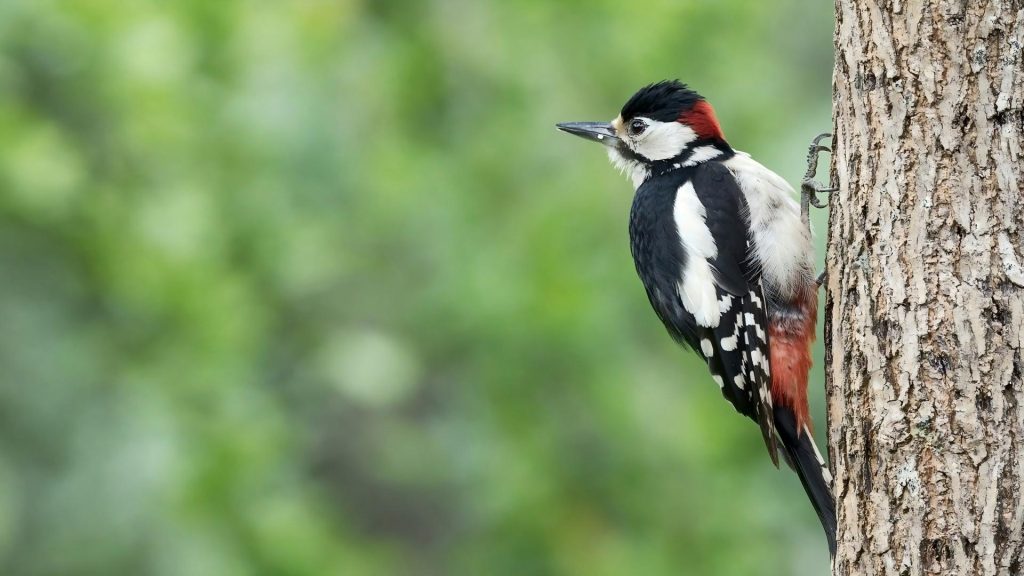
5. Downy and Red-Bellied Woodpeckers — Fledglings at Feeders
July is when young woodpeckers first discover suet feeders. If you watch closely, you’ll see parent woodpeckers bringing their fledglings to feeders and teaching them to feed.
Signs of woodpecker fledglings:
- Slightly ruffled, less defined plumage
- Following parents and begging with nasal calls
- Awkward clinging and feeding movements
- Visiting feeders in family groups of 2-4 birds
Keep your suet feeder well-stocked with no-melt suet throughout July for best results.
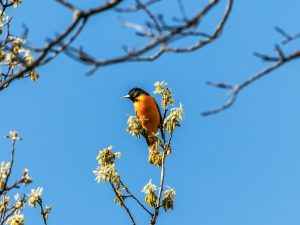
6. Baltimore Oriole — Late Summer Transition
By late July, oriole activity at feeders begins to decline as natural fruit becomes abundant and adults focus on raising fledglings. However, they remain present and visible in most areas through August.
July oriole behaviors:
- Parents feeding young with insects and fruit
- Reduced interest in jelly (natural fruit is more abundant)
- Beginning of the pre-migration molt
- Quiet singing (males stop territorial singing after nesting)
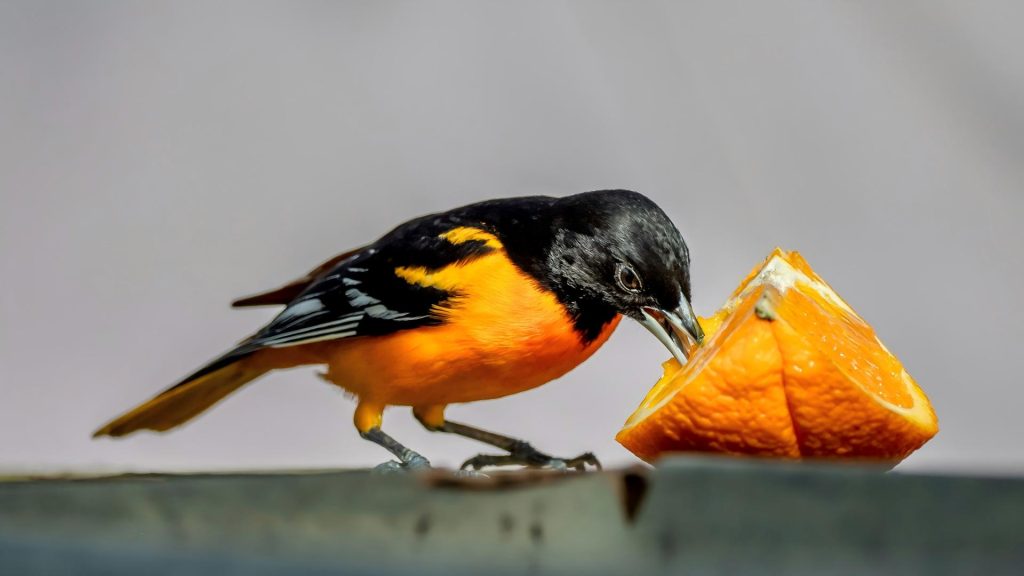
If you want to attract orioles this late in the season, keep offering fresh orange halves and grape jelly in a dedicated oriole feeder.
7. Barn Swallows and Chimney Swifts — Pre-Migration Flocks
July evenings are marked by large flocks of swallows and swifts gathering in the sky. These insectivores feed exclusively on flying insects and are excellent indicators of a healthy backyard ecosystem.
Watch for:
- Barn swallows skimming low over lawns at dusk
- Chimney swifts performing high-speed aerial acrobatics
- Tree swallows gathering in flocks of 50-100 before migration
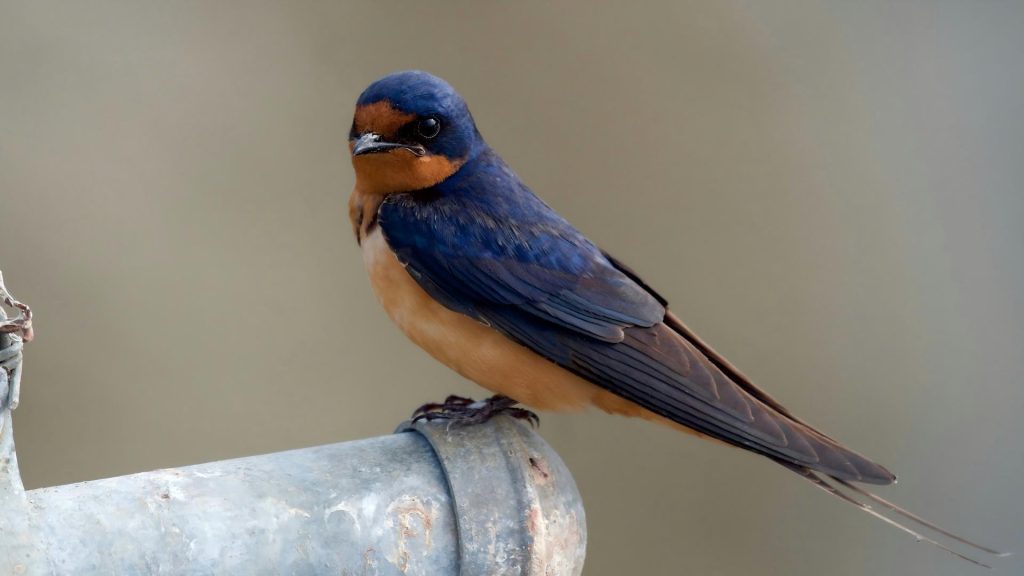
These birds do not visit feeders, but they benefit from natural habitats with open space and water sources.
8. Mourning Doves — Multiple Broods
Mourning doves breed from March through September, often raising 2-4 broods per season. July fledglings are common, recognizable by their smaller size and scaly-looking breast feathers.
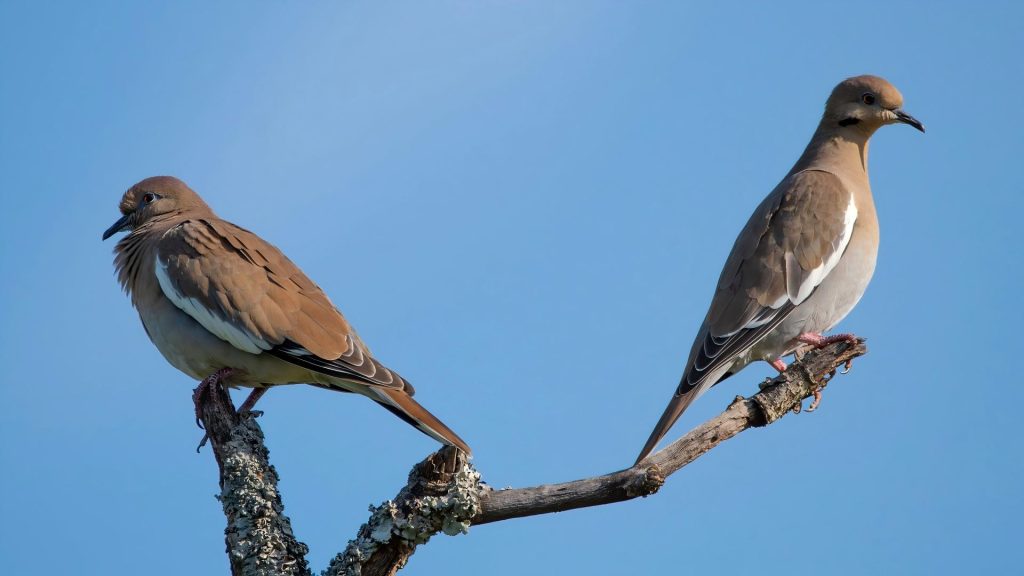
Doves are ground feeders and prefer platform feeders or scattered seed. Kingsyard’s bird baths are popular with doves, which drink frequently in hot weather.
How to Adjust Your Feeding Strategy for July
July is not the time to take down your feeders. It’s the time to adjust what you offer.
Nectar Feeders: Ramp Up
July is the highest-demand month for nectar. Hummingbird fledglings need enormous amounts of energy, and orioles still visit nectar feeders. Follow our summer hummingbird care guide for the correct 4:1 sugar-to-water ratio.
- Clean nectar feeders every 2-3 days (mold grows fast in July heat).
- Use clear nectar only — no red dye needed.
- Refill before feeders are empty — a dry feeder loses birds quickly.
Nyjer Feeders: Essential for Goldfinches
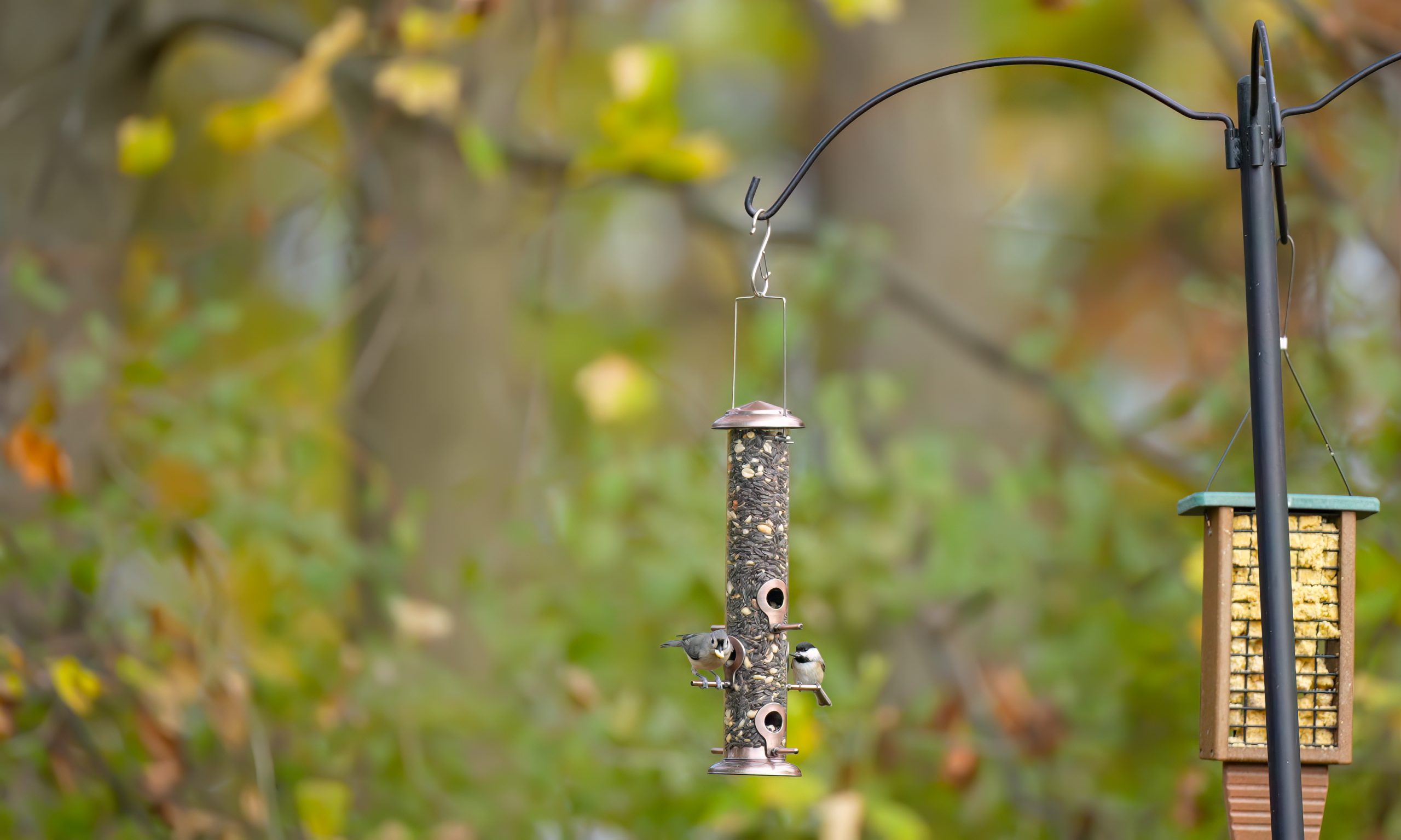
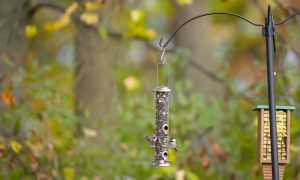
Goldfinches begin nesting in July, and their nyjer seed consumption increases dramatically. Check your mesh feeder regularly:
- Replace stale nyjer seed monthly.
- Clean mesh feeders every 2-3 weeks.
- Position near shade to prevent seed from overheating.
Suet Feeders: Switch to No-Melt
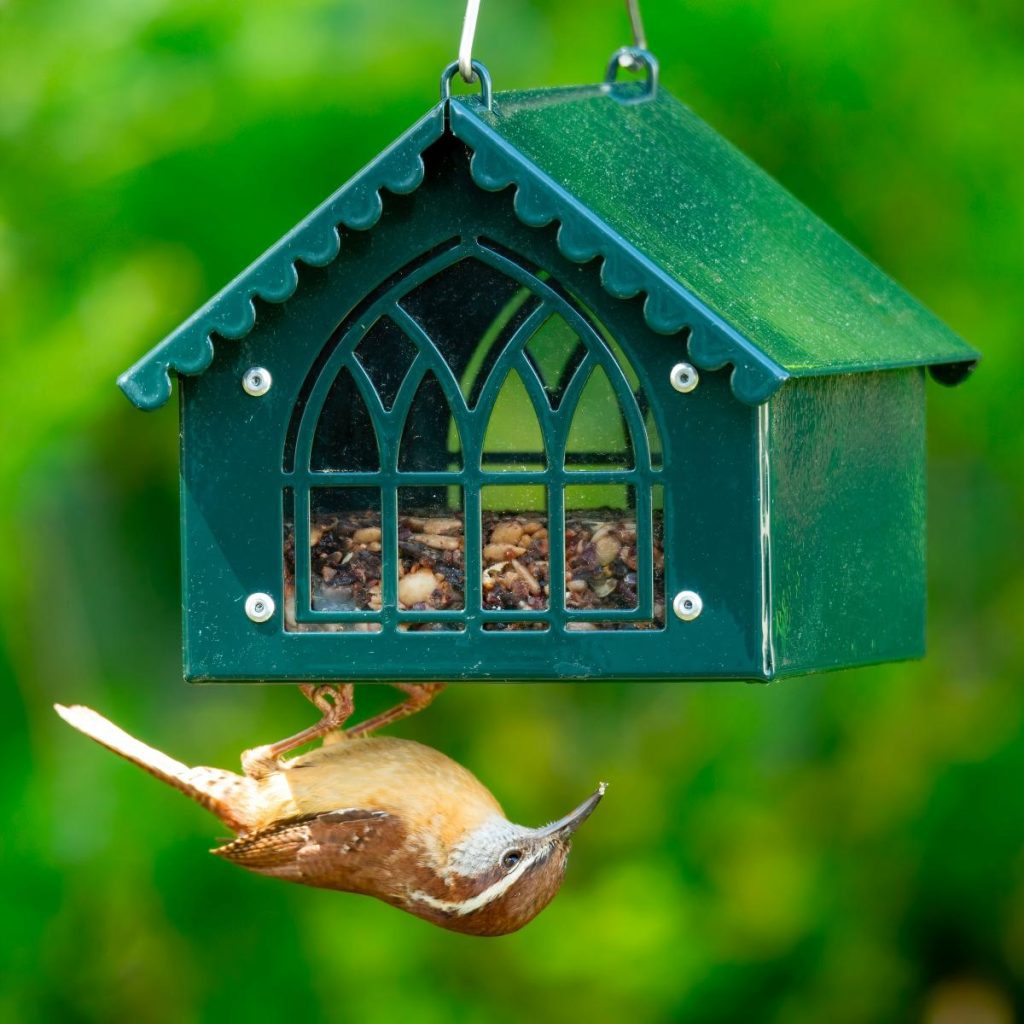
If you haven’t already, switch to no-melt suet for July. Regular suet will soften and drip in 85°F+ temperatures. Woodpeckers and nuthatches rely on summer suet for protein during nesting.
Water: The Most Important Element
Water becomes the single most critical element in July. Birds lose body moisture rapidly in summer heat, and natural water sources can dry up. A clean bird bath with fresh, cool water will attract more birds than any feeder.
- Change water daily in July heat.
- Position bird baths in shade to keep water cool.
- Add a dripper or mister for moving water — birds detect moving water from a distance.
- Provide a shallow dish on the ground for ground-feeding birds like doves and robins.
Pest Management: Ants and Bees
July heat brings ants and bees to feeders. Use these strategies:
- Install ant moats on hanging feeders.
- Wipe feeder ports with a damp cloth to remove sugary residue.
- Avoid yellow-colored feeder parts (bees are attracted to yellow).
- Move feeders slightly if bees become problematic (they will follow the old location for a day or two).
For more solutions to common summer feeder problems, check out our guide on summer bird feeder problems.
July Birding Tips: What Else to Look For
Baby Birds Learning to Feed
July is one of the best months to observe fledglings. You’ll see young birds with short tails, fluffy plumage, and begging behaviors. Don’t intervene — this is a normal learning process. Parent birds are almost always nearby.
Nest Box Monitoring
If you have nest boxes, July is the time to clean them out between broods. Remove old nesting material to make room for a potential second nesting. Wear gloves and wash hands after handling nesting material.
Early Morning and Evening Activity
In July heat, birds are most active during the cooler morning hours (dawn to 9 AM) and early evening (5 PM to dusk). Midday activity drops significantly. If you want the best viewing, be at your window or in your garden during these cooler periods.
Listen for the Changing Soundscape
The bird song in July sounds different from May. The intense dawn chorus has subsided. Instead, you’ll hear:
- Goldfinch’s cheerful “po-ta-to-chip” call
- The short, sweet phrases of cardinal songs
- Hummingbird wing buzz and chirps
- Fledgling begging calls (a soft, persistent “tseep”)
- Late-evening robin songs (often the last birds to sing at dusk)
Frequently Asked Questions About July Birds
Why are there fewer birds at my feeder in July?
Birds are still present, but they have more natural food options in July (insects, berries, seeds) and may visit feeders less frequently. Additionally, many birds are spending more time in cover, feeding fledglings. The best solution is to provide water, which becomes more attractive than food in hot weather.
Do birds nest in July?
Yes. Goldfinches are the most notable July nesters, beginning nest construction in early July. Cardinals, bluebirds, and mourning doves may be raising second or third broods. Woodpeckers have fledglings that have recently left the nest.
Should I feed birds in July?
Absolutely. July is a critical feeding month for several species. Goldfinches need nyjer seed during nesting. Hummingbirds need nectar for growing fledglings. Woodpeckers need suet for protein. And all birds need reliable water sources.
When do hummingbirds leave in July?
Ruby-throated Hummingbirds in northern areas begin moving south as early as late July. Males typically depart first, followed by females and juveniles in August and September. Keep your feeders up through September to support late migrants.
Do orioles stay in July?
Yes, orioles are present through July in most areas, though their feeder activity may decrease as they focus on natural food. They typically depart for migration in August and early September.
What is the best way to help birds in July heat?
Provide clean, fresh water in multiple locations. Add shade to your feeding area. Keep feeders clean to prevent mold. Offer no-melt suet and fresh nectar. These small actions can significantly reduce heat stress for backyard birds.
Conclusion: Enjoy the Quiet Beauty of July Birding
July is not the loudest month in the bird world, but it may be the most intimate. It’s a month of family — parent birds teaching fledglings, goldfinches building their late-season nests, and the quiet preparations for fall migration beginning beneath the surface.
Here’s your July birding checklist:
- Keep feeders full — goldfinches, hummingbirds, and woodpeckers all depend on them in July.
- Prioritize water — clean bird baths with cool, fresh water attract more birds than any food source.
- Watch for fledglings — July is the best month to see young birds learning to feed independently.
- Plan for fall migration — by late July, hummingbirds and orioles are already beginning their southward movements.
Whether you’re setting up a new feeding station or fine-tuning an existing one, Kingsyard’s complete range of bird feeders and bird baths is designed to support your backyard birds through every season.