How to Attract Owls to Your Backyard: A Practical Guide for Night-Owl Birders
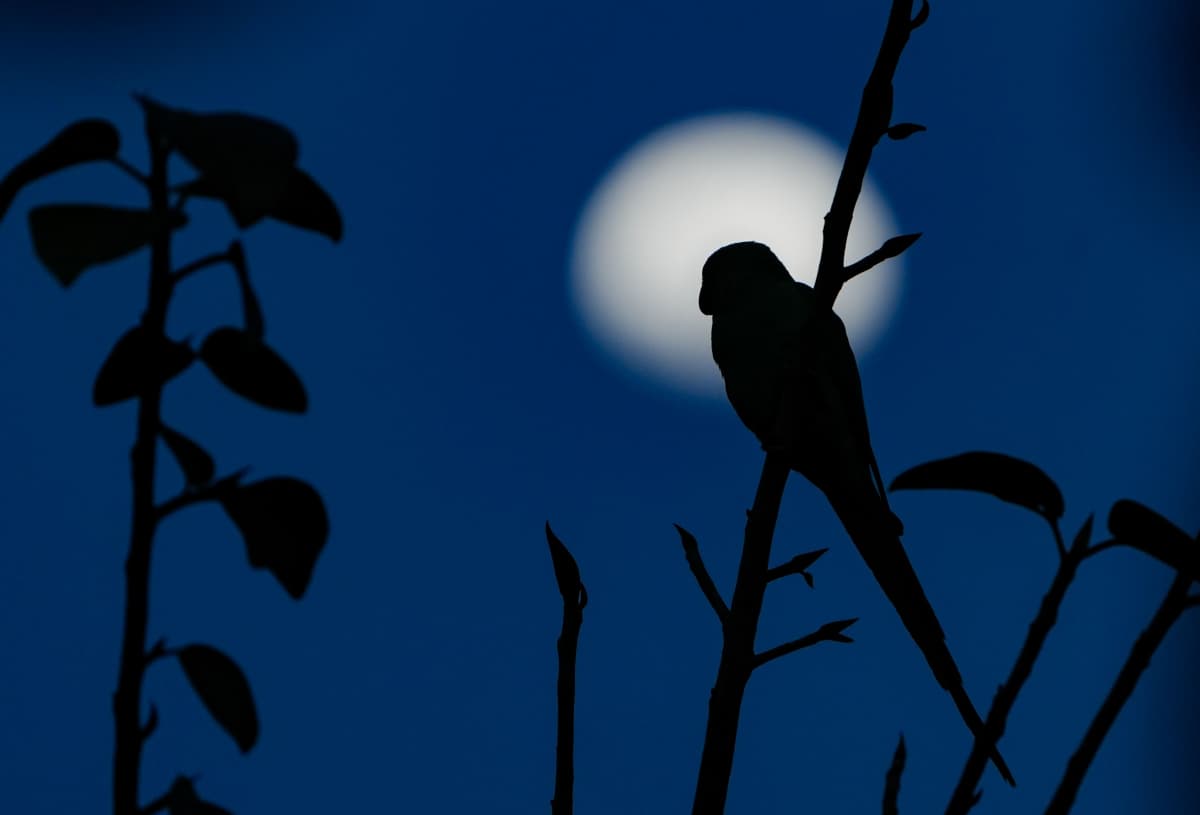
You hear it before you see it — a soft, rhythmic hooting from the tree line at dusk. You stop. Listen. There it is again. An owl, somewhere in the dark, claiming your neighborhood as its territory.
Most birders focus on daytime species. Cardinals, chickadees, finches — the birds that visit feeders and sing from fence posts. But the most fascinating birds in your backyard are the ones you rarely see. Owls are apex predators of the avian world, and attracting them to your yard is one of the most rewarding challenges in birding.
This guide covers which owl species visit residential yards, what they need to stick around, and how to create an owl-friendly habitat — including owl box installation, placement, and the mistakes that keep owls away.
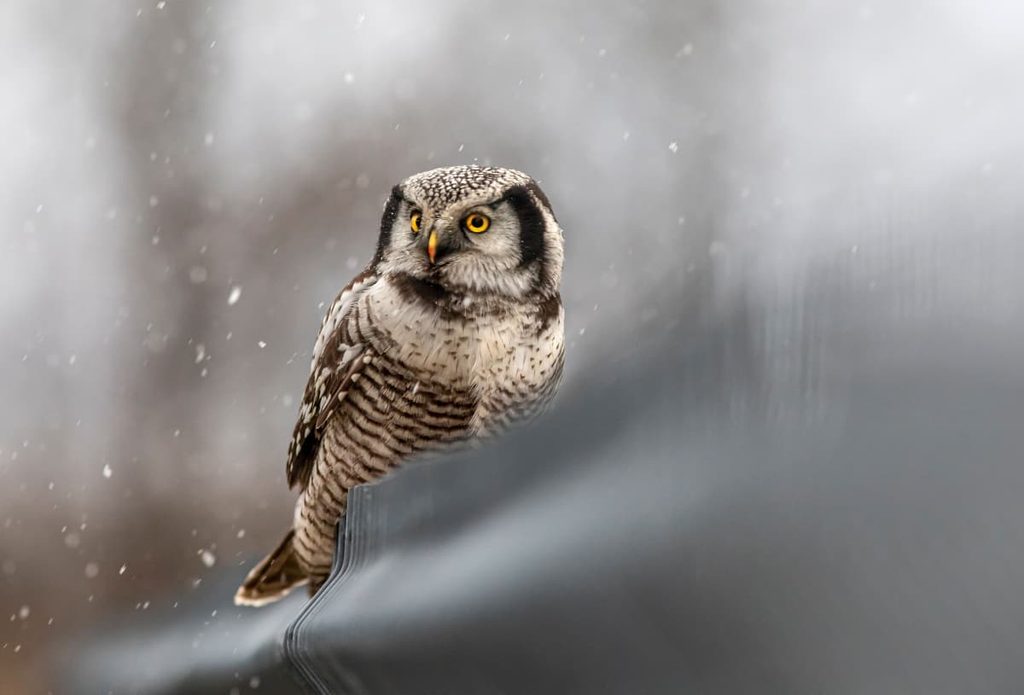
Which Owls Visit Backyards?
Not all owls are alike. The species that might visit your yard depends on your location, habitat, and the size of your property. Here are the five most likely backyard owls in North America:
Eastern Screech-Owl (Megascops asio)
The most common backyard owl in eastern North America. Small (8–10 inches), adaptable, and comfortable in suburban neighborhoods. Comes in two color morphs — gray and red (rufous). Feeds on mice, large insects, and small birds. Nests in tree cavities and owl boxes.
Range: Eastern US and southern Canada. Habitat: Suburban yards, parks, woodlands edges. Call: A trembling whinny or a soft, steady trill.
Western Screech-Owl (Megascops kennicottii)
The western counterpart of the Eastern Screech-Owl. Similar size and behavior, slightly different call. Common in suburban yards from the Pacific Coast to the Rocky Mountains.
Range: Western US, British Columbia, Mexico. Habitat: Suburban yards, desert edges, oak woodlands. Call: A bouncing ball series of short whistles.
Great Horned Owl (Bubo virginianus)
The “tiger of the sky.” Large (18–25 inches), powerful, and widespread. Will hunt in suburban yards but prefers larger territories with mature trees. Takes rabbits, squirrels, rats, and even other raptors. Doesn’t use owl boxes — nests in large tree forks or abandoned hawk nests.
Range: All of North America. Habitat: Forests, farmlands, suburban edges. Call: Deep, soft hooting: “hoo-h’HOO-hoo-hoo.”
Barn Owl (Tyto alba)
The ghost owl. Pale, heart-faced, and hauntingly beautiful. One of the best natural rodent controllers — a single barn owl family eats 3,000+ mice per year. Prefers open areas with scattered trees and will use large owl boxes. Increasingly rare due to habitat loss.
Range: Continental US, southern Canada. Habitat: Open fields, farmland, grasslands, suburban edges. Call: A harsh, eerie screech — not a hoot.
Barred Owl (Strix varia)
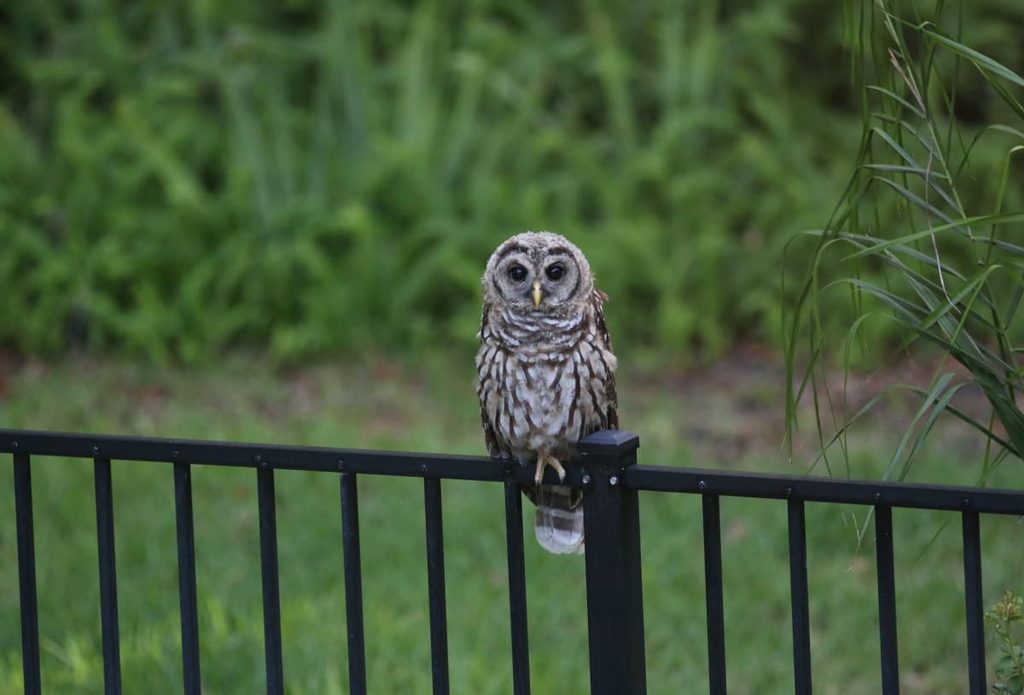
A large, stocky owl with dark eyes and no ear tufts. Increasingly common in suburban areas as forests fragment. Vocal and territorial. Feeds on rodents, frogs, crayfish, and small birds. Will use large owl boxes in wooded yards.
Range: Eastern US, Pacific Northwest. Habitat: Mature forests, wooded suburbs, swamps. Call: “Who cooks for you? Who cooks for you-all?”
For a deeper look at common owl species, see our 5 common owls near your home guide.
What Owls Need: The Three Essentials
Owls are predators. They don’t visit feeders. They visit habitats that provide three things:
1. Prey
Owls eat rodents, insects, and small birds. If your yard has mice, voles, or large insects, you have owl food. The irony: the same messy garden edges and unmowed corners that birders love for songbirds also attract the prey owls hunt.
- Don’t poison rodents. Rodenticide kills owls through secondary poisoning. A mouse that eats poison becomes poison to every owl, hawk, and fox that eats it. Use snap traps or live traps instead.
- Maintain natural edges. Tall grass, brush piles, and leaf litter harbor mice and voles — owl prey. Don’t manicure every corner of your yard.
2. Perching Sites
Owls hunt from perches. They sit motionless on a branch, fence post, or rooftop, scanning for prey below. Mature trees with open branches are ideal. Dead trees (snags) are even better — no leaves to obstruct the view.
- Keep mature trees. A 40-year-old oak is an owl hunting platform. Don’t remove large trees unless they’re hazardous.
- Install a perch pole. A 10–15 foot T-perch in an open area gives owls a dedicated hunting spot. Place it 20–30 feet from your owl box.
3. Nesting Sites
Owls don’t build nests. They use existing cavities — tree hollows, abandoned buildings, or nest boxes. As old trees with cavities are removed for development, natural nesting sites disappear. An owl box replaces what a dead tree once provided.
How to Install an Owl Box
An owl box is the single most effective way to attract owls to your yard. Here’s how to do it right:
Choose the Right Box
| Owl Species | Box Size (interior) | Entrance Hole | Mounting Height |
|---|---|---|---|
| Screech-Owl | 8″ × 8″ × 15–18″ | 3″ diameter | 10–15 feet |
| Barn Owl | 16″ × 22″ × 15–18″ | 6″ diameter or open front | 12–18 feet |
| Barred Owl | 12″ × 12″ × 22–24″ | 6–8″ diameter | 15–20 feet |
Use untreated wood — cedar, pine, or exterior plywood. Avoid pressure-treated lumber; the chemicals can harm chicks. Add 2–3 inches of wood shavings to the floor for nesting material.
Placement
- Face the entrance away from prevailing winds. In most of the US, that means facing south or east.
- Shade the box. Direct sun overheats the box in spring and summer. Mount on the north side of a tree or building, or add a roof overhang.
- Near open hunting area. The box should be within 50–100 feet of an open area where owls can hunt — a lawn, field, or meadow.
- Away from heavy human traffic. Owls are sensitive to disturbance during nesting. Place the box in a quiet corner of your property, away from doors, walkways, and play areas.
- Clear flight path. The entrance should be unobstructed. No branches within 3–4 feet of the hole.
When to Install
Install owl boxes in fall or early winter — October through December. Owls begin scouting nesting sites in late winter (January–February) and start nesting as early as February in southern states. A box installed by December gives owls time to discover it before nesting season.
For more on birdhouse design and placement, see our birdhouse tips.
Creating an Owl-Friendly Yard
Beyond the owl box, these changes make your yard more attractive to owls:
- Reduce outdoor lighting. Bright lights disorient owls and reduce their hunting success. Use motion-activated lights instead of always-on floodlights. Shield lights to point downward.
- Keep cats indoors. Outdoor cats are the #1 predator of owls and their prey. A cat prowling your yard at night is a direct threat to screech-owls and their chicks.
- Leave leaf litter and brush piles. These harbor mice, voles, and insects — owl prey. A “messy” yard corner is an owl hunting ground.
- Plant native trees and shrubs. Native plants support native insects, which support native rodents, which support owls. The food chain starts with plants.
- Avoid pesticides. Pesticides kill the insects that rodents eat, reducing prey availability for owls. They also cause direct poisoning through contaminated prey.
How to Listen for Owls
You’re more likely to hear an owl than see one. Here’s how to identify common owl calls:
- Great Horned Owl: Deep, soft hooting. “Hoo-h’HOO-hoo-hoo.” The most common owl call in North America. Starts in late fall.
- Barred Owl: “Who cooks for you? Who cooks for you-all?” Loud, distinctive, and unmistakable. Often heard in duets.
- Screech-Owl: Not a screech — a soft, trembling whinny or a steady trill. Easy to miss if you’re not listening for it.
- Barn Owl: A harsh, rasping screech. Unsettling if you don’t know what it is. Often heard near open fields at dusk.
Go outside 30 minutes after sunset on a calm night. Stand quietly for 5 minutes. Listen. If you hear hooting, you have owls. Now give them a reason to stay.
Common Mistakes That Keep Owls Away
- Using rodenticide. The #1 threat to backyard owls. Secondary poisoning from poisoned rodents kills thousands of owls every year. Stop using poison — period.
- Bright outdoor lighting. Floodlights and security lights disrupt owl hunting. Switch to motion-activated or shielded lighting.
- Over-manicuring the yard. A perfectly mowed, mulched yard has no prey for owls. Leave some wild edges.
- Outdoor cats. Cats kill billions of birds annually, including owls. Keep cats indoors, especially at night.
- Disturbing the nest. Once owls occupy a box, don’t open it, tap on it, or shine lights inside. Nest disturbance causes abandonment.
Start Tonight
Three things to do this week:
- Listen for owls tonight. Go outside 30 minutes after sunset. Stand quietly. If you hear hooting, you have owls in your area — and a real chance of attracting them to your yard.
- Order or build an owl box. A screech-owl box is the easiest starting point — small, inexpensive, and effective in suburban yards. Install it by December.
- Stop using rodenticide. If you have a mouse problem, switch to snap traps. Your owls — and every other predator in your neighborhood — will thank you.
Attracting owls isn’t about putting out the right food. It’s about creating the right habitat — a yard with prey, perches, and nesting sites. Do that, and the owls will find you.
Browse Kingsyard birdhouses and bird feeders — designed for backyard birders who want more than just sparrows at the feeder.