Where Do Birds Go at Night? The Surprising Science of Avian Sleep
You watch them all day — flitting between feeders, singing from fence posts, chasing each other through the hedgerow. Then, around sunset, they vanish. Every single one. The yard goes silent. Where do they go?
The answer is more interesting — and more complex — than most people realize. Birds don’t just “go to sleep.” They have evolved sophisticated strategies for finding safe roosting sites, surviving freezing nights, and even sleeping with half their brain at a time. Here’s what happens when the lights go out.
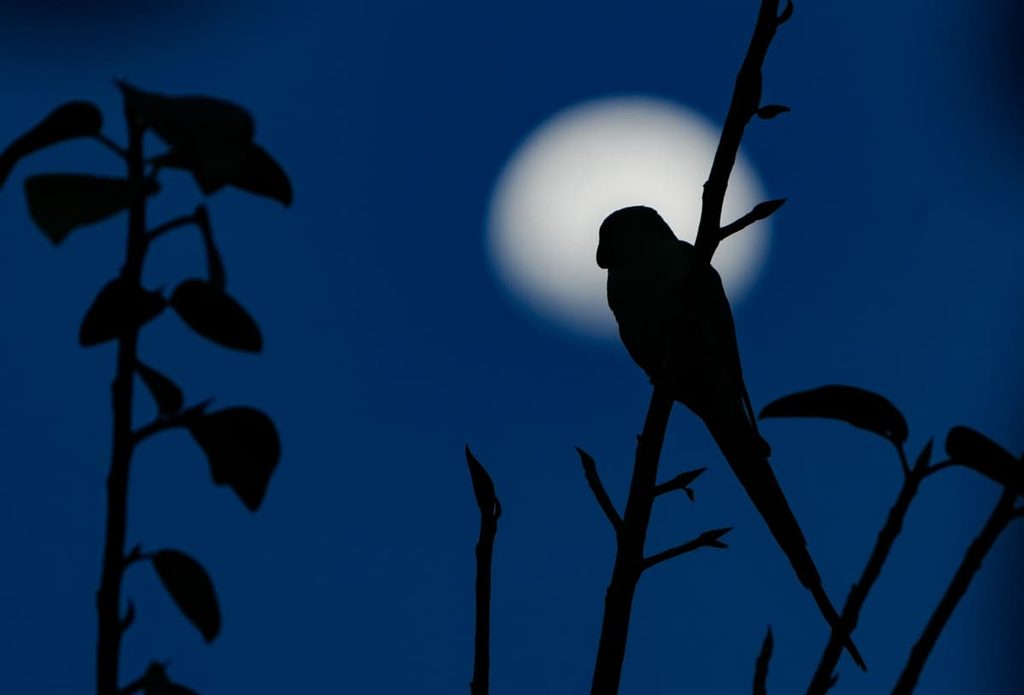
Where Do Birds Roost at Night?
A roost is any place a bird sleeps. Different species choose different roosting sites based on size, predators, climate, and social behavior:
Trees and Shrubs
Most songbirds roost in dense vegetation. Evergreens are the top choice — thick conifer branches block wind, trap body heat, and hide birds from owls. Deciduous trees work too, especially those with dense twig structure or persistent dead leaves.
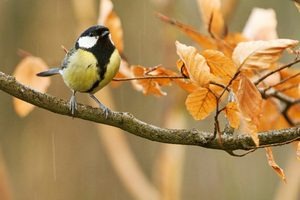
- Chickadees and titmice roost in dense evergreen foliage, often in the same tree night after night.
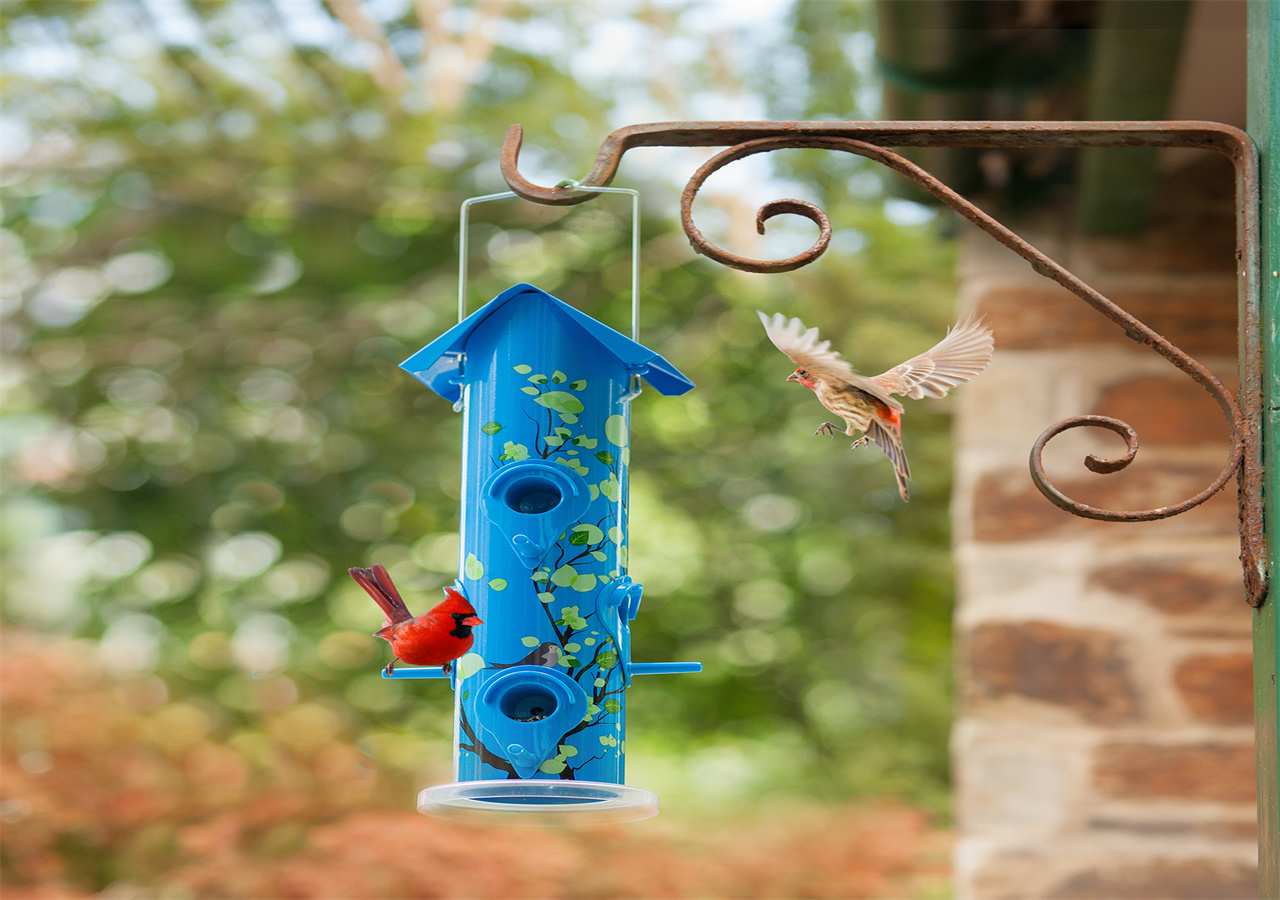
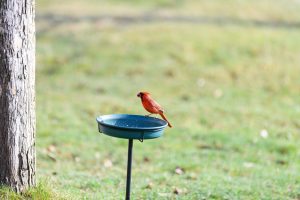
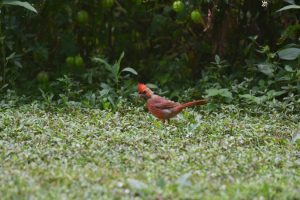
- Cardinals and sparrows prefer thick shrubs and hedgerows — dense enough to hide from owls but close enough to fly out quickly if threatened.
- Robins roost in groups in dense trees, sometimes hundreds together in winter.
Tree Cavities and Nest Boxes
Woodpeckers, bluebirds, and screech-owls sleep in tree cavities — the same holes they nest in during spring. Cavities are the warmest roosting option, trapping body heat in an enclosed space. A bird in a cavity can be 10–15°F warmer than one on an open branch.
This is why leaving dead trees (snags) standing is so important — and why nest boxes serve double duty as winter roosts. A screech-owl box occupied in summer may shelter the same owl all winter.
For tips on birdhouse design that supports year-round use, see our birdhouse tips.
Roost Boxes
A roost box is like a nest box, but designed specifically for winter sleeping. It has a smaller entrance (to conserve heat), no ventilation gaps, and an entrance hole near the bottom (so warm air rises and stays inside). Multiple birds may pile into a single roost box on cold nights — a communal strategy that shares body heat.
Other Roosting Sites
- Barn Owls roost in barns, silos, church steeples, and abandoned buildings.
- Swifts and swallows roost communally in chimneys and hollow trees — sometimes thousands together.
- Waterfowl roost on open water — lakes, rivers, and coastal bays where predators can’t reach them.
- Shorebirds roost on sandbars, mudflats, and beaches, often in large, tight flocks for predator detection.
How Birds Survive Freezing Nights
A January night drops to 0°F. A chickadee weighing half an ounce is exposed on a branch. How does it survive?
Feathers: The Ultimate Insulation
Birds have 1,000–2,500 feathers, depending on species. At night, they fluff these feathers to create a thick layer of trapped air — the same principle as a down jacket. The trapped air is warmed by body heat and acts as insulation. A well-fluffed bird in calm air can maintain a 100°F+ body temperature differential from the outside environment.
Tucking the Bill
Many birds tuck their bill into their back feathers at night. This warms the air they breathe and reduces heat loss from the bill’s exposed surface — which has no feathers and loses heat rapidly.
Reduced Metabolism (Torpor)
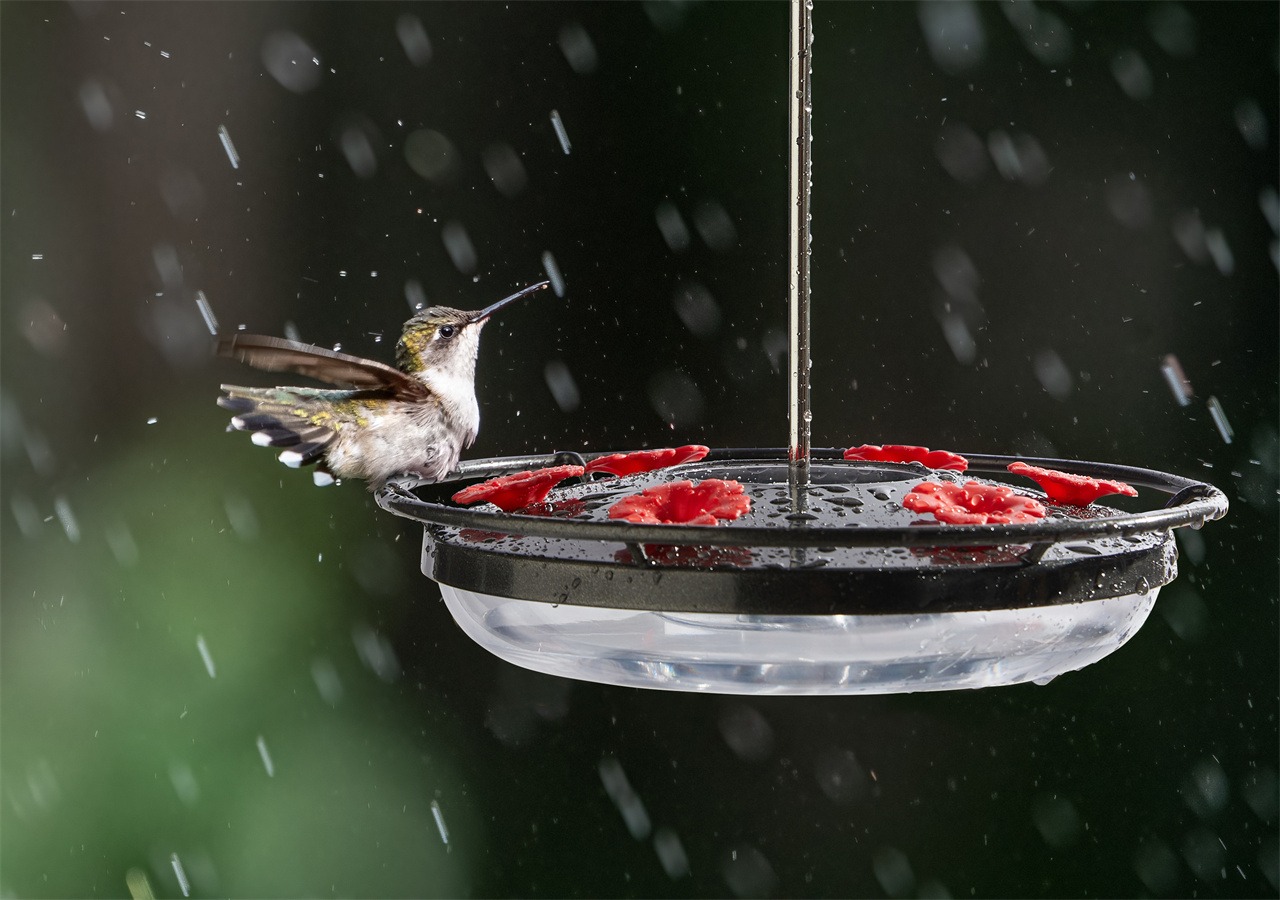
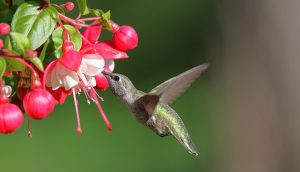
Some birds enter torpor at night — a controlled reduction in body temperature and metabolism that saves energy. Hummingbirds can drop their body temperature from 105°F to 48°F, reducing energy expenditure by up to 95%. Chickadees and other small passerines use a milder form of torpor, dropping body temperature by 10–15°F on the coldest nights.
Communal Roosting
Some species roost together for warmth. House sparrows pile into nest boxes — sometimes 10+ birds in a single box. Robins form winter roosts of hundreds or thousands in dense evergreens. The birds in the center of the group benefit from shared body heat, while those on the outside rotate inward over the course of the night.
Half-Brain Sleep: The Most Surprising Bird Fact
Here’s the fact that changes how you think about birds: many bird species sleep with half their brain at a time.
It’s called unihemispheric slow-wave sleep (USWS). One hemisphere of the brain enters deep sleep while the other stays partially awake — enough to monitor for predators, maintain balance on a branch, and even keep one eye open. The open eye is on the side connected to the awake hemisphere.
Research published in Nature and documented by the Cornell Lab of Ornithology has shown that:
- Migrating birds can fly for days without full sleep, using USWS to rest one hemisphere while the other keeps them on course.
- Roosting birds on the edge of a flock sleep with the outward-facing eye open — the hemisphere connected to that eye stays alert for predators.
- Birds adjust which hemisphere sleeps based on perceived risk. On nights with high predator activity, they may keep both hemispheres more alert, sacrificing sleep depth for safety.
This ability is why birds can survive in such dangerous environments. They literally never fully let their guard down.
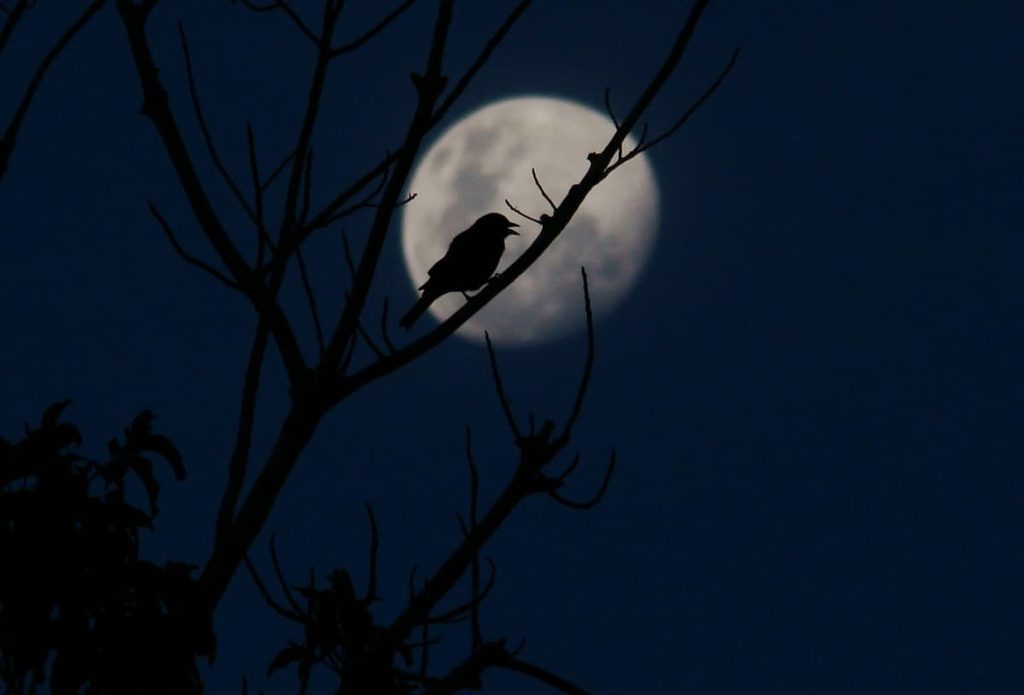
How Long Do Birds Sleep?
Birds sleep less than you’d think. Most songbirds sleep 8–12 hours per night in winter (when nights are long) and 6–8 hours in summer. But the quality and structure of their sleep is very different from mammalian sleep:
- Light sleep dominates. Birds spend most of their sleep in light, easily interrupted stages. Deep sleep (REM) occurs in short bursts — sometimes just seconds at a time.
- Sleep is fragmented. A bird may wake 10–20 times per night to check for predators, shift position, or adjust feathers. This is normal, not insomnia.
- Dawn and dusk are critical. Birds wake at the first hint of light and begin foraging immediately. The first 30 minutes after dawn are the most active feeding period of the day — birds are refueling after a long, cold night.
What You Can Do to Help Birds at Night
- Plant evergreens. Dense conifers — spruce, pine, hemlock, arborvitae — are the #1 roosting habitat for songbirds. Even one or two evergreen shrubs in your yard make a difference.
- Leave dead trees standing. Snags with cavities provide the warmest, safest roosting sites. If a dead tree isn’t a hazard, leave it.
- Install roost boxes. A roost box with a small entrance and no ventilation gaps gives cavity-nesting birds a warm winter shelter.
- Reduce outdoor lighting. Artificial light at night disrupts bird sleep patterns. Use motion-activated lights and shield fixtures to point downward.
- Keep cats indoors at night. Cats are most active at dawn and dusk — exactly when birds are most vulnerable. An indoor cat saves bird lives.
For more on creating a bird-friendly backyard habitat, see our small garden changes birds notice immediately.
The Night Shift
Next time you look out at your dark, silent yard, remember: it’s not empty. Dozens of birds are tucked into the hedgerow, huddled in the evergreen, packed into the nest box. They’re fluffed to twice their daytime size, bills tucked into back feathers, one eye half-open, half their brain still watching for owls.
They’ll be back at your feeder at first light — hungry, cold, and ready for the day. Make sure there’s food waiting.
Browse Kingsyard birdhouses and bird feeders — designed for backyard birders who care about birds 24 hours a day, not just when they’re at the feeder.