Late-Summer Bird Feeder Maintenance: Clean, Move, and Reset Before Fall
Most backyard birders have a winterizing routine. Seed gets topped off before a cold snap. Heated bird baths come out of storage. Feeders get moved closer to shelter for overwintering species.
But almost nobody has a late-summer maintenance routine, and that’s a problem.
By mid-August, your feeders have been running for months. Seed has cycled through heat waves, thunderstorms, and humid stretches. Nectar feeders have hosted hundreds of refills. Hardware has rusted, seals have loosened, and drainage holes may be clogged with compacted hulls. Meanwhile, fall migration is about to bring a wave of new and returning visitors to your yard.
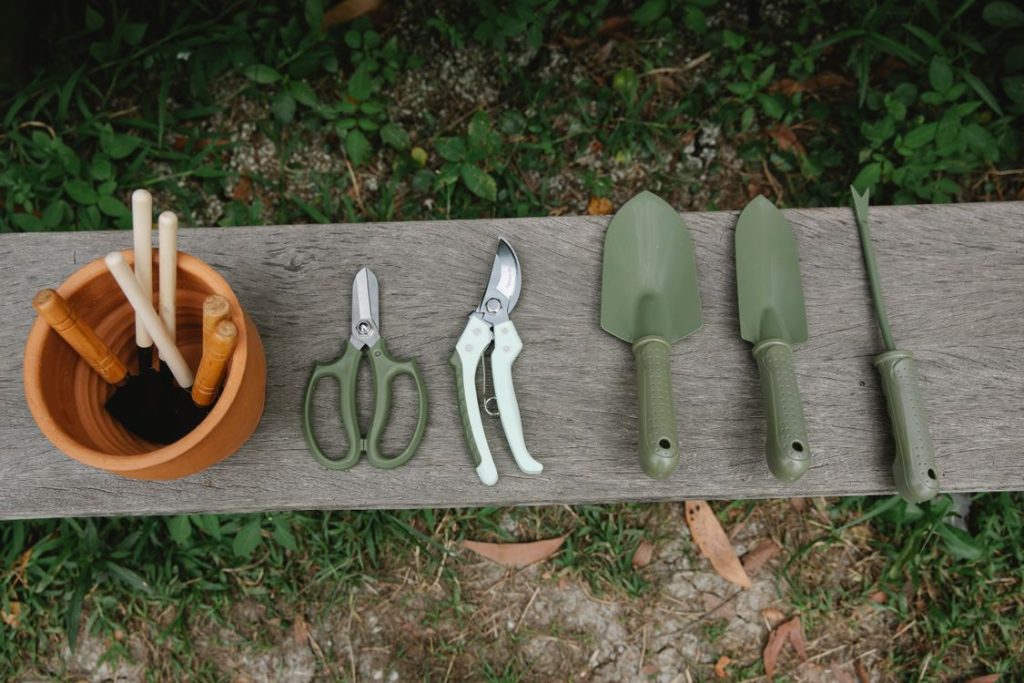
The feeders that got you through June and July may not be ready for September. A late-summer reset, clean, inspect, move, repair, and restock, takes one afternoon and sets you up for the busiest feeding season of the year.
This guide walks through exactly what to check, what to clean, and what to fix before fall arrives. For the complete step-by-step cleaning process for every feeder type, see our bird feeder cleaning guide.
Why Late Summer Is the Best Time to Reset Bird Feeders
August is the maintenance sweet spot for three reasons:
- Natural food is still abundant. Birds can forage while your feeders are temporarily down for cleaning. You’re not depriving anyone.
- Fall traffic is about to increase. Migrating species, overwintering arrivals, and juveniles establishing territories will all visit feeders in September and October. A clean feeder handles more visitors safely.
- Summer damage is at its peak. Mold, rust, clogged drainage, warped plastic, and loosened hardware all accumulate through the hottest months. Catching these issues now prevents bigger problems when feeder visits spike.
Our summer feeder problems guide covers the three specific dangers that summer heat creates — fermented nectar, moldy seed, and ant invasions. This maintenance checklist builds on that foundation and prepares your entire setup for the season ahead.
Step 1: Empty Old Seed and Inspect for Mold
Start by removing every feeder from its hanging location. Empty all remaining seed into a trash bag — not back into the storage bin. Old seed from a summer feeder is almost certainly compromised, even if it looks okay at first glance.
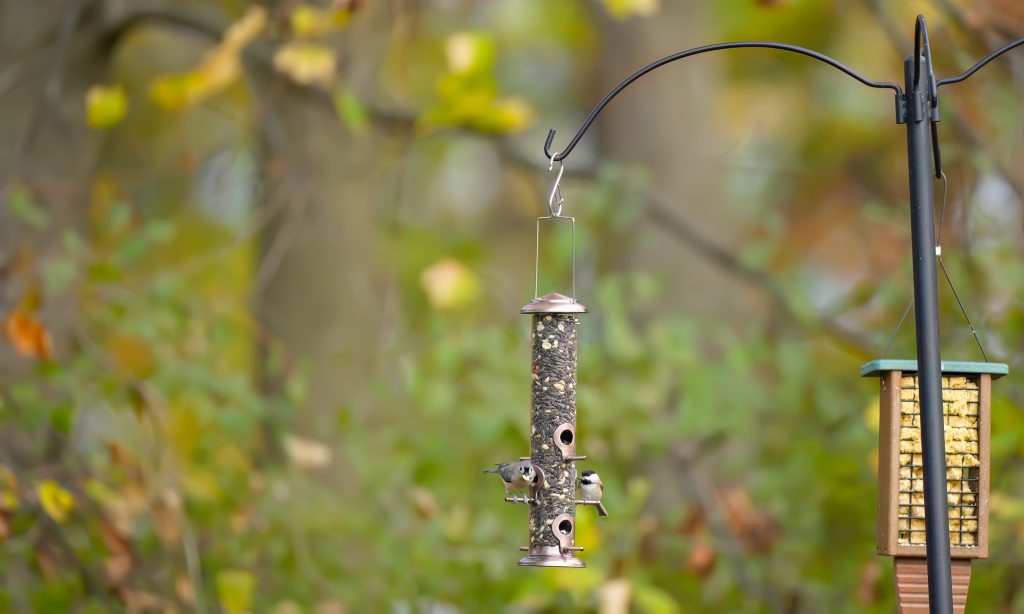
What to look for:
- Clumped or damp seed. Moisture has penetrated the feeder. The seed should be discarded entirely.
- White, gray, or green fuzz. This is mold — most likely Aspergillus, which causes fatal respiratory infections in wild birds. Do not salvage any seed that has visible mold.
- Musty or sour smell. If the feeder smells off, the seed is bad. Trust your nose.
- Insect infestation. Moths, weevils, and ants may have nested inside the feeder. Shake it out and inspect ports and tubes carefully.
- Compacted hulls in drainage holes. Seed hulls accumulate at the bottom of tube feeders and block drainage. Water pools, seed rots, and mold follows.
Quick test: Squeeze a handful of seed between your palms. If it feels damp, warm, or leaves oily residue, it’s spoiled. Dump everything and start fresh.
Step 2: Deep Clean Feeders Before Migration Traffic Increases
A quick rinse is not enough for a late-summer reset. You need a full disassembly and deep clean.
Basic cleaning routine (every feeder):
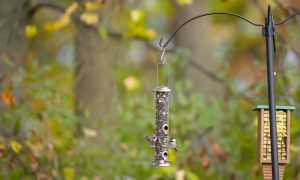
- Disassemble all removable parts — ports, perches, lids, bases, tubes
- Soak in hot water with white vinegar (1:1 ratio) for 15–20 minutes
- Scrub all surfaces with a bottle brush and port brush
- Rinse thoroughly — three times minimum
- Air dry completely before refilling (moisture trapped inside breeds mold)
Monthly deep sanitize (do this now, before fall):
- After the vinegar soak, prepare a 1:9 bleach-to-water solution
- Soak all feeder parts for 10 minutes
- Rinse three times — no bleach residue can remain
- Air dry in full sun (UV helps kill remaining spores)
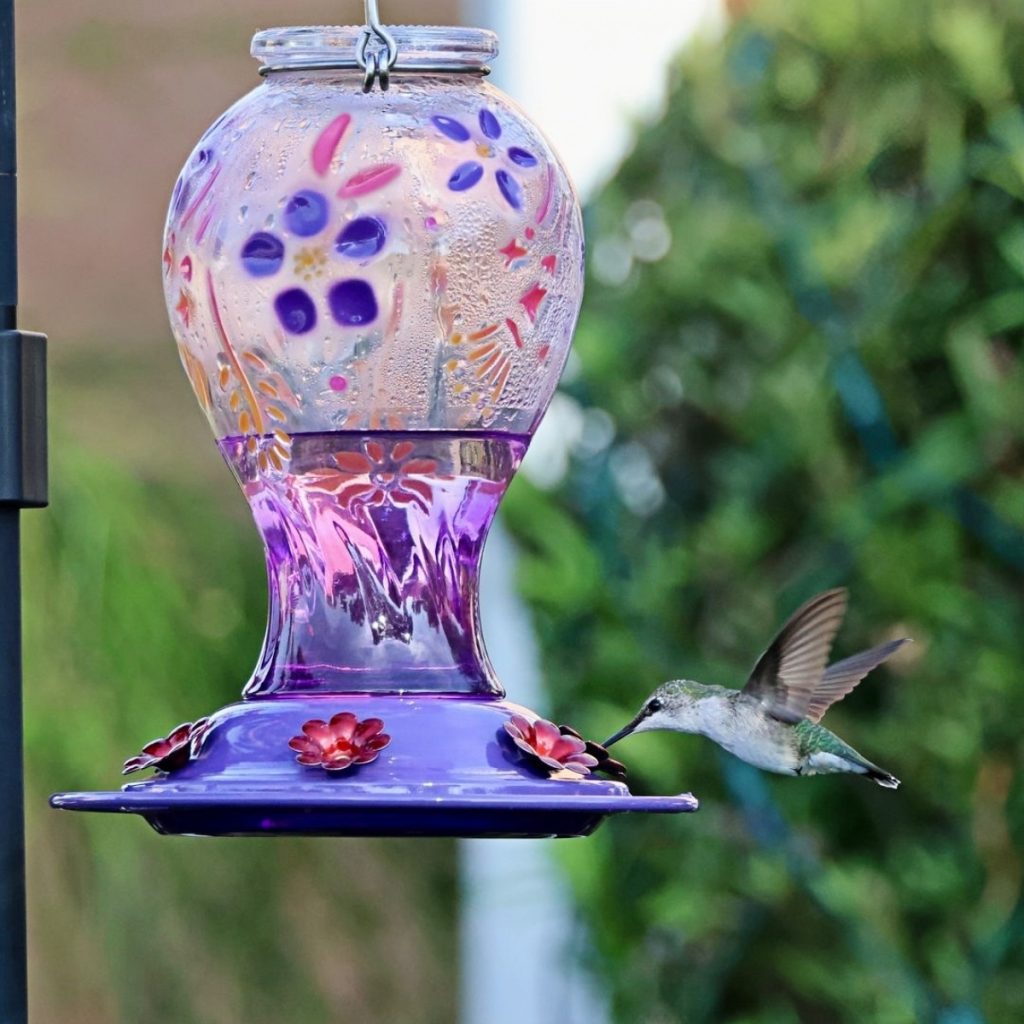
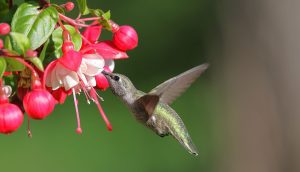
For hummingbird feeders, pay special attention to the ports and the inside of the bottle. Black mold spots in the neck or on the sealing surfaces require extra scrubbing with a small port brush. If the bottle is permanently stained or scratched, replace it — scratches harbor bacteria that rinsing alone cannot remove.
Need the full process? Our bird feeder cleaning guide covers disassembly, tools, and cleaning solutions for every feeder type.
Step 3: Move Feeders Out of Harsh Sun or Poor Drainage
Where your feeder hangs in August may not be the best location for fall. Consider these adjustments:
- Move to shade if in direct sun. August heat accelerates nectar fermentation by 2–3x and seed spoilage by several days. Even a partial shade position, under a tree canopy or the north side of a structure — makes a measurable difference.
- Check window collision risk. Feeders should be either within 3 feet of a window (too close for birds to build fatal speed) or more than 30 feet away (birds recognize the window as part of the structure). The 5–15 foot zone is the most dangerous.
- Improve drainage. If seed sits in water after rain because the feeder is in a low spot or the drainage holes are clogged, relocate it or clean the drainage. Waterlogged seed molds within 24–48 hours in summer heat.
- Think about fall visibility. In September and October, deciduous trees lose leaves. A feeder that’s shaded now may be fully exposed in a few weeks. Plan for the seasonal shift.
Step 4: Check Squirrel Pressure Before Fall
Squirrels are busy in August — caching food for winter and testing every feeder in the yard. Fall migration brings more bird traffic to feeders, which also brings more squirrel attention.
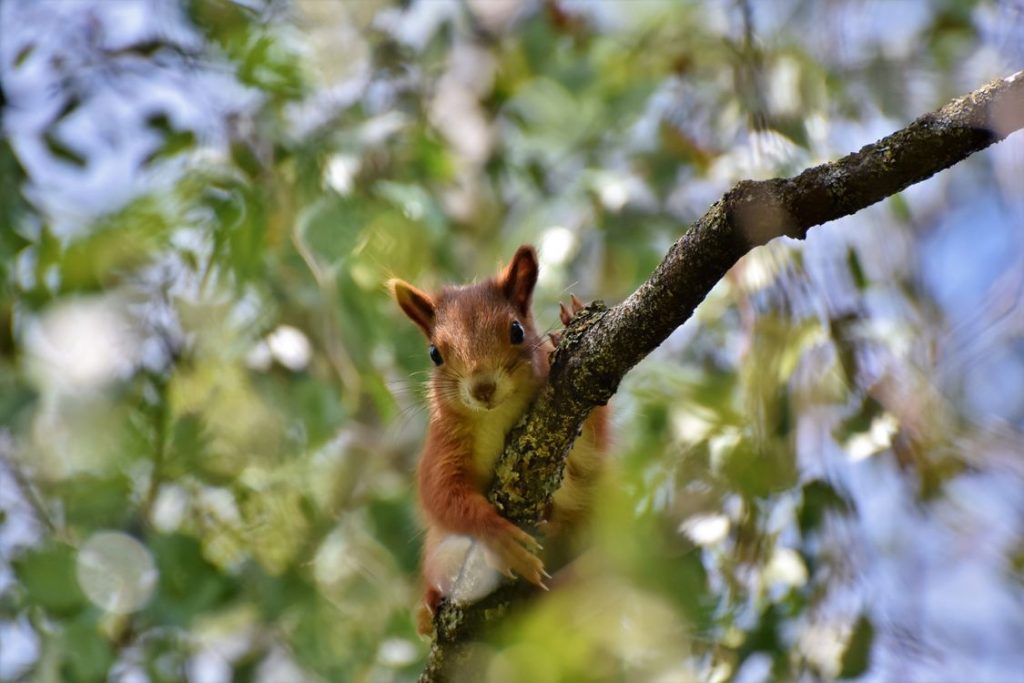
Inspect your squirrel defenses:
- Baffles. Is the pole baffle still secure? Check the mounting clamp. A loose baffle is a squirrel highway.
- Weight-activated mechanisms. If your feeder has a closing mechanism triggered by squirrel weight, test it. Springs weaken with use. Make sure it still closes cleanly.
- Hanging hardware. Check hooks, chains, and wires for wear. A squirrel that defeats your hanging setup once will come back every day.
- Distance from launch points. Squirrels can jump 8–10 feet horizontally and 4–5 feet vertically. If tree branches or fence posts are within jumping distance, consider trimming branches or relocating the feeder.
Our guide on how to keep squirrels off bird feeders covers 15 proven methods — from baffles and cages to weight-activated feeders and strategic placement.
Step 5: Refill With Smaller, Fresher Portions
Don’t refill your freshly cleaned feeders to the brim. In late summer, smaller portions are safer:
- Seed feeders: Fill to 50–70% capacity. Birds will eat through it in 3–4 days, keeping the seed fresh. You can always top up.
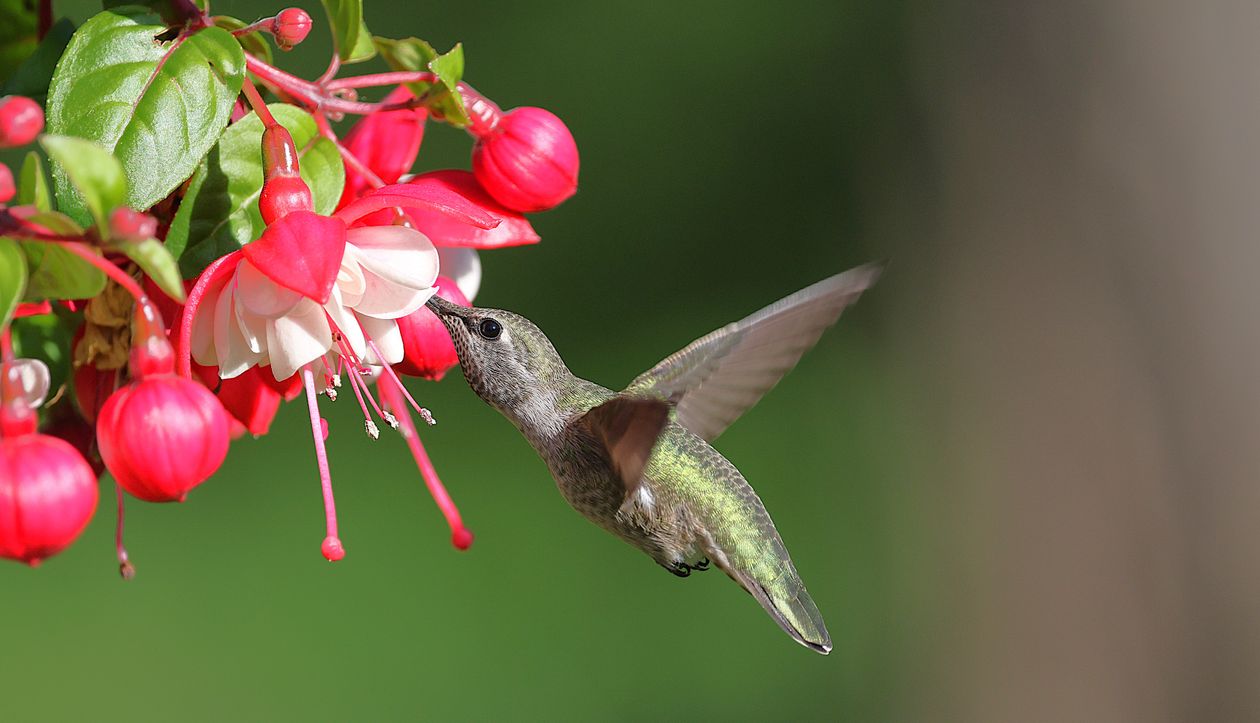
- Hummingbird nectar: Half-fill the bottle. You’re changing it every 1–2 days in August heat anyway, a full bottle just means more waste.
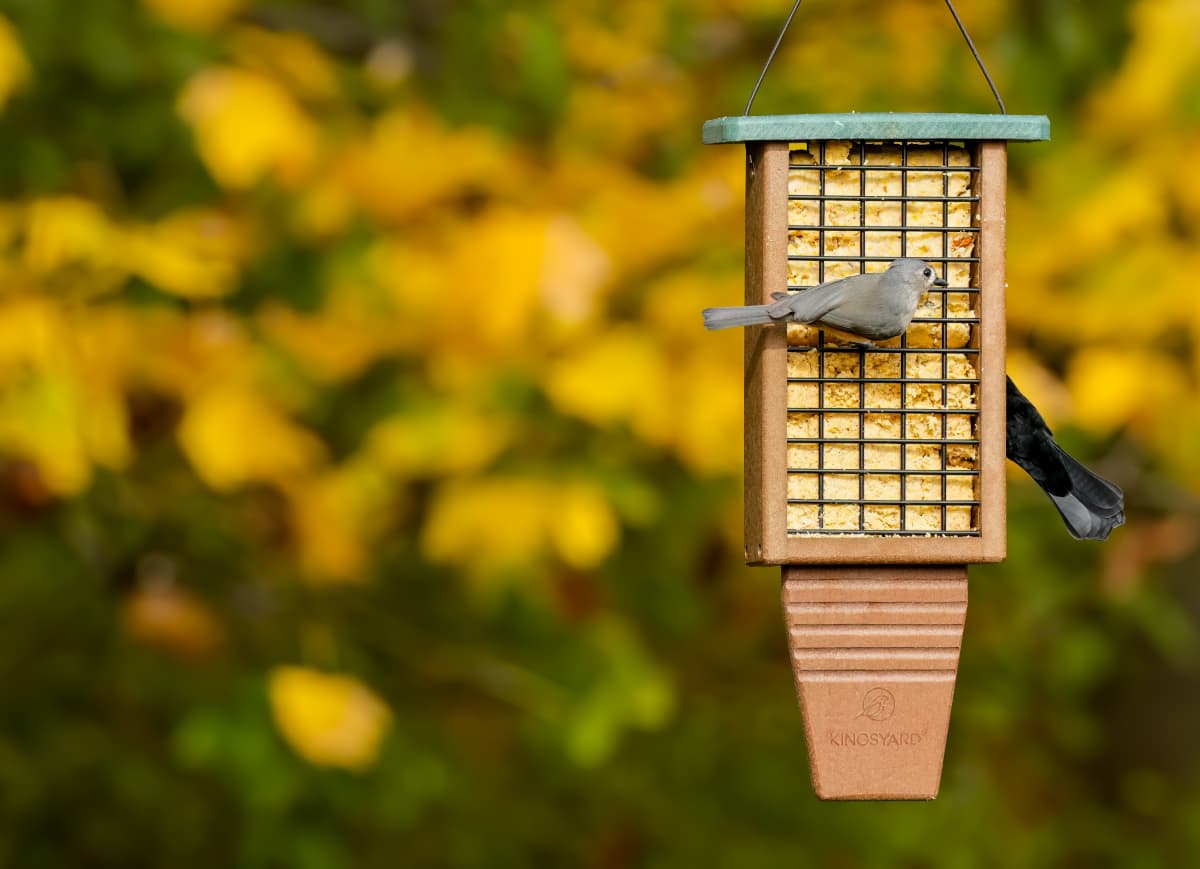
- Suet: Use no-melt blends only. Standard suet cakes liquefy above 80°F and go rancid within days.
- Fruit feeders: Replace oranges, grape jelly, and bananas every 1–2 days. Fermented fruit attracts wasps and sickens birds.
Seed storage tip: If you’ve been storing seed in a garage, shed, or outdoor bin through the summer, check it before refilling. Seed stored above 80°F in humid conditions loses nutritional value and may already contain moth larvae or mold. Smell it. If it’s musty, replace the entire batch. Store new seed in a sealed metal container in a cool, dry location.
Step 6: Add Water and Shelter Nearby
A feeder alone is not a complete feeding station. Before fall traffic increases, add or refresh two supporting elements:
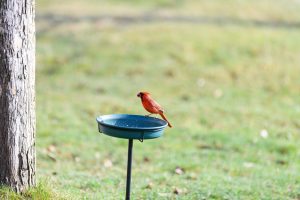
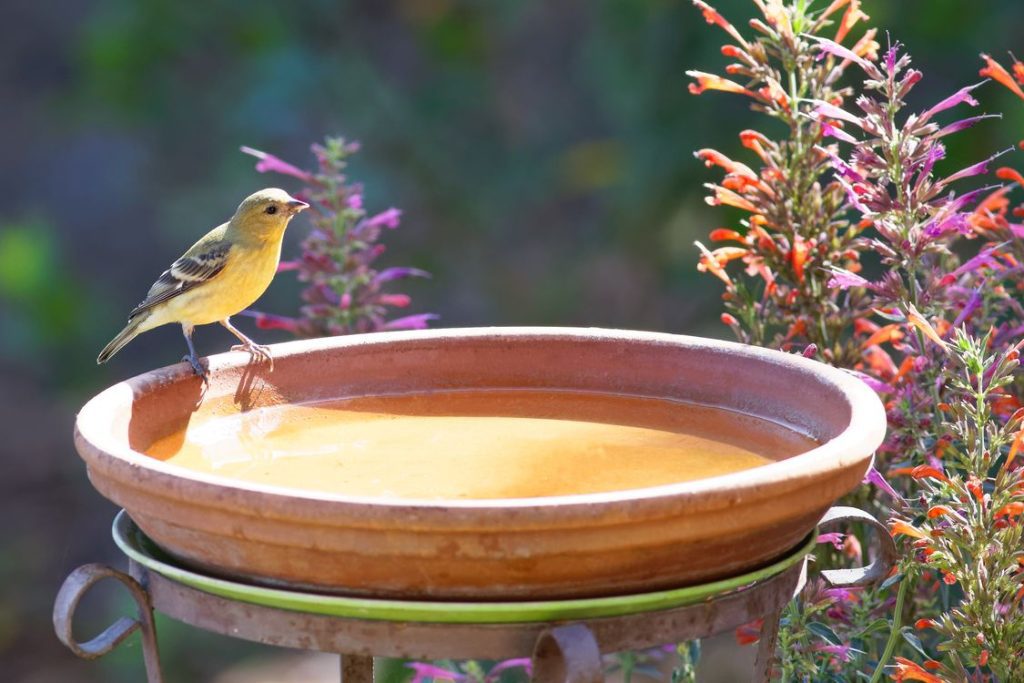
Bird bath
Water attracts more species and more frequent visits than seed alone. A clean, shallow bird bath within 10–15 feet of your feeder gives birds a one-stop station for eating, drinking, and bathing. In August, change the water every 2–3 days and scrub the basin weekly to prevent mosquito breeding and algae buildup. Our summer bird bath guide covers placement and maintenance in detail.
Shelter
Nearby shrubs, trees, or brush piles give birds a place to retreat between feeder visits, especially important when hawks are hunting. A thorny shrub or dense evergreen within 15–20 feet of the feeder is ideal. In fall, birds will use this cover more frequently as leaf cover thins and predator visibility increases.
Late-Summer Maintenance Checklist
Print this or save it for your August feeder reset:
Cleaning
- [ ] All seed feeders emptied, cleaned, and air-dried
- [ ] Hummingbird feeders disassembled, vinegar-scrubbed, and refilled with fresh nectar
- [ ] Suet feeder inspected and cleaned; fresh no-melt suet loaded
- [ ] Bird bath drained, scrubbed, and refilled
- [ ] Deep sanitize (bleach soak) completed for all feeders
Inspection
- [ ] All ports and drainage holes clear of compacted seed hulls
- [ ] No mold, rust, or permanent staining on any feeder component
- [ ] Lids, seals, and hinges working properly
- [ ] Perches and mounting hardware tight and stable
- [ ] Hummingbird feeder ports not cracked or leaking
Placement
- [ ] Feeders repositioned to shaded locations where possible
- [ ] Window collision zones reviewed (within 3 ft or beyond 30 ft)
- [ ] Squirrel baffles secure and functional
- [ ] Feeders clear of jumping-range launch points for squirrels
- [ ] Bird bath within 15 feet of feeder station
- [ ] Shelter (shrubs/trees) within 20 feet of feeder station
Stock
- [ ] Fresh seed purchased or inspected from storage
- [ ] White granulated sugar on hand for nectar
- [ ] No-melt suet cakes available
- [ ] Cleaning supplies restocked (vinegar, brushes, bleach)
FAQ
How often should I clean bird feeders in late summer?
Clean seed feeders at least once a week in August. Clean hummingbird feeders every 1–2 days during hot weather (above 80°F). Do a full deep sanitize with a bleach solution at least once in late August before fall traffic picks up.
Should I take feeders down to clean them for fall?
Yes — temporarily. Take feeders down for a full disassembly and deep clean. Birds can forage naturally while feeders are down for a few hours. Refill with fresh seed and nectar only after feeders are completely dry.
When should I start preparing feeders for fall migration?
Mid-August is ideal. This gives you time to clean, inspect, repair, and reposition feeders before September brings increased traffic from migrating species and returning overwintering birds.
Do I need to change feeder types for fall?
Not necessarily, but adding variety helps. Fall brings a wider range of species than summer. A tube feeder for small seeds, a platform feeder for ground-feeding species, and a suet feeder for woodpeckers cover most visitors. If you only have one feeder now, adding a second or third before fall is a good investment.
How do I know if my stored seed is still good?
Check three things: smell (musty = discard), texture (clumped or damp = discard), and insects (moths, weevils, or larvae = discard). Seed stored in a sealed metal container in a cool, dry place can last 2–3 months. Seed in a hot garage or open bin may spoil in weeks.
Should I clean bird baths the same way as feeders?
Yes. Bird baths accumulate algae, bacteria, and mosquito larvae in summer. Drain, scrub with a stiff brush, and refill every 2–3 days in August. For a deep clean, use the same 1:9 bleach-water solution you use for feeders, and rinse thoroughly before refilling.
Reset Now, Enjoy Later
A single afternoon of late-summer maintenance pays off for months. The feeder that’s clean, well-placed, and stocked with fresh food in August becomes the feeder that safely handles the rush of September migrants, October squirrels, and November overwintering species.
Three things to do right now:
- Pick a day this week. Take every feeder down. Empty, clean, inspect.
- Restock fresh. New seed or inspected seed. Fresh nectar. No-melt suet. Small portions.
- Check your defenses. Baffles, hardware, shade placement, and squirrel distance.
Your birds will notice the difference — and so will you.
Browse Kingsyard bird feeders and bird feeder accessories designed for easy cleaning and reliable fall feeding , built to make your late-summer reset simple.