Should You Keep Hummingbird Feeders Up in August? Migration Feeding Tips
By August, a question starts appearing in every backyard birding forum, Facebook group, and neighborly conversation across the country: Should I take my hummingbird feeder down?
The concern is understandable. Some birders worry that leaving feeders up will prevent hummingbirds from migrating. Others have heard that feeders “confuse” birds into staying too long. And a few have simply grown tired of the every-other-day nectar routine in 90°F heat and want permission to stop.
Here’s the short answer: keep your hummingbird feeders up in August. In fact, keeping clean, fresh nectar available through August and into early fall is one of the most helpful things you can do for migrating hummingbirds. The feeders themselves do not delay migration — but spoiled nectar in those feeders can genuinely harm the birds that depend on them.
This guide explains why August matters for hummingbird feeding, how to maintain your feeder through the hottest stretch of the year, and when it’s finally safe to bring the feeder inside.
Should You Keep Hummingbird Feeders Up in August?
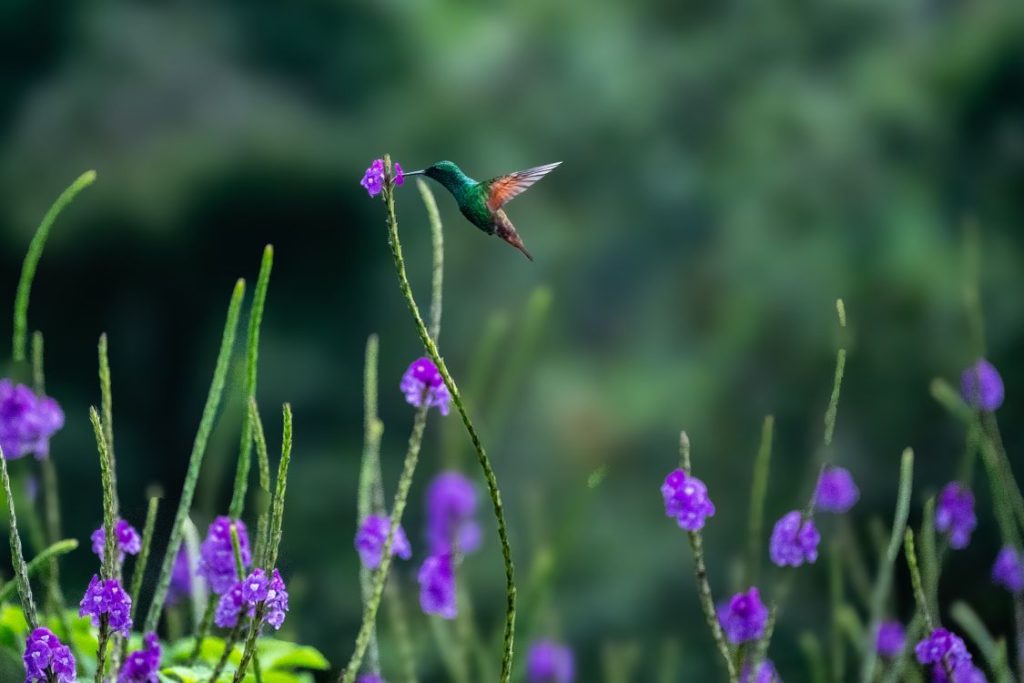
Yes. The Cornell Lab of Ornithology and Audubon both recommend leaving hummingbird feeders up through the migration season. Hummingbird migration is triggered by photoperiod — changes in daylight length — not by the presence or absence of feeders. A hummingbird with a full feeder in front of it will still leave when its internal clock says it’s time.
This is one of the most persistent myths in backyard birding, and it’s worth stating clearly:
- Feeders do not prevent migration. Hummingbirds migrate based on day length, not food availability.
- Feeders do not “trap” birds. Hummingbirds are not dependent on your feeder — they use it as a supplement alongside natural nectar sources.
- Clean feeders help. Migrating hummingbirds need to fuel up. A reliable feeder with fresh nectar gives them a critical refueling stop.
The real danger is not keeping feeders up. It’s keeping feeders up with spoiled nectar inside them.
Why August Matters for Hummingbird Migration
August is the transition month for hummingbird activity in most of the U.S. Here’s what’s happening in your backyard:
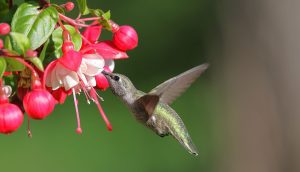
Males may already be leaving. Male Ruby-throated Hummingbirds — the most common species east of the Rockies — often begin departing northern states in late July or early August. They finish breeding duties first and head south 1–2 weeks before females and juveniles.
Females and juveniles are still present. If you’re seeing fewer hummingbirds in early August, the males have likely moved on. But females and their recently fledged young are still feeding actively, often entering a state called hyperphagia — eating up to 2–3 times their normal daily intake to build fat reserves for the journey ahead.
Natural nectar sources shift. Late-summer blooms vary by region. In dry years or areas with fewer native flowering plants, your feeder may be the most reliable nectar source available during a critical fueling window.
For a complete species-by-species migration timeline and regional departure dates, see our guide on when hummingbirds migrate south.
How Often to Change Nectar in August Heat
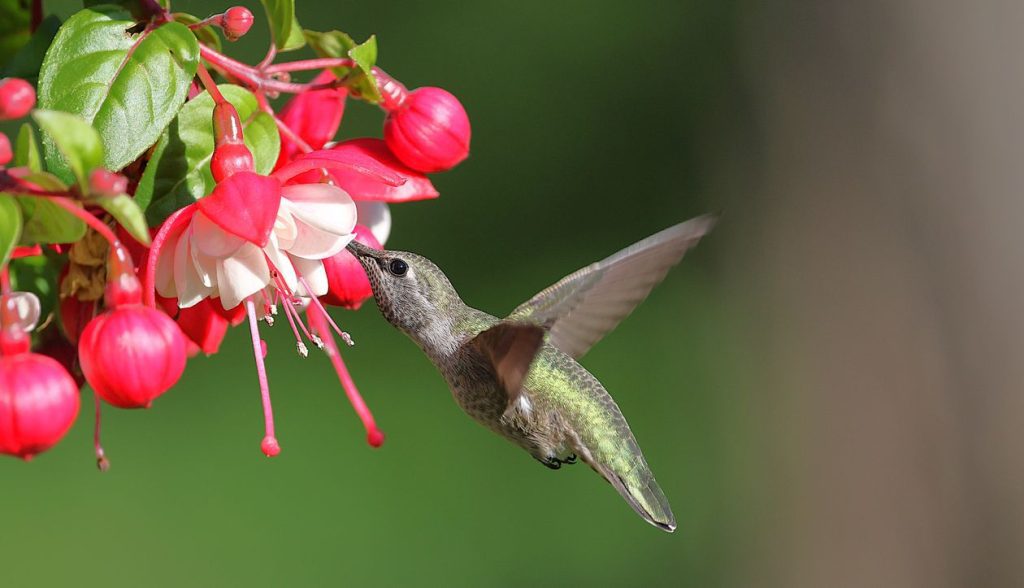
Nectar freshness is the single most important factor in August hummingbird feeding. Fermented nectar sickens birds. Moldy feeders spread disease. And in August heat, spoilage happens faster than at any other time of year.
Nectar change schedule
| Temperature | Change Frequency | Why |
|---|---|---|
| Below 70°F (shaded) | Every 3–4 days | Slow fermentation; safe window is longer |
| 70–80°F | Every 2 days | Fermentation begins within 48 hours |
| 80–90°F | Every 1–2 days | Fermentation can start in under 24 hours |
| Above 90°F (direct sun) | Every day | Unsafe within hours in direct sun |
The nectar recipe
Stick with the standard formula year-round:
- 1 part white granulated sugar : 4 parts water
- Boil for 1–2 minutes (slows initial microbial growth)
- Cool completely before filling the feeder
- Store unused nectar in the refrigerator for up to one week
Our summer hummingbird care guide covers the full recipe, cleaning schedule, and seasonal adjustments in detail.
What NOT to put in your feeder
- No red dye. It’s unnecessary — hummingbirds find feeders by shape and color of the feeder itself, not the liquid inside. Dyes may be harmful.
- No honey. Honey promotes fungal and bacterial growth that can kill hummingbirds.
- No brown sugar or artificial sweeteners. Brown sugar contains iron levels toxic to hummingbirds in concentration. Artificial sweeteners provide zero calories — a starving migrant needs real energy.
How to Keep Ants, Bees, and Mold Away
August’s heat doesn’t just spoil nectar faster — it also draws pests. Ants, bees, and wasps are at peak activity, and a leaking or overfilled feeder is an open invitation.
Ants
Ants are the most common August feeder pest. They climb the hanging wire or pole, contaminate the nectar, and drown in the reservoir. The most effective solution is an ant moat — a small water-filled cup that hangs between the hook and the feeder. Ants cannot cross the water barrier. Kingsyard’s ant moat fits standard feeder hooks and needs refilling every 3–4 days as water evaporates in the heat.
Bees and wasps
Bees are attracted to sugar but cannot access nectar in well-designed feeders with bee-resistant ports. If bees are a persistent problem:
- Choose feeders with recessed or long-tube ports that bees can’t reach
- Wipe the outside of the feeder clean — sticky residue on the surface attracts bees more than the ports do
- Move the feeder 3–4 feet to break the bees’ learned flight path
Mold
Mold grows inside feeder bottles and ports, especially in humid climates. If you see black spots inside the bottle or around the ports, it’s time for a deep clean. Disassemble the feeder, scrub with a 1:1 white vinegar-water solution, rinse thoroughly, and air dry before refilling. A monthly soak in a 1:9 bleach-water solution kills persistent spores — but rinse three times afterward to remove all bleach residue.
When Should You Take Hummingbird Feeders Down?
There’s no single calendar date that works for every region. The safe approach is to base your timing on bird activity, not the calendar.
The 2-week rule
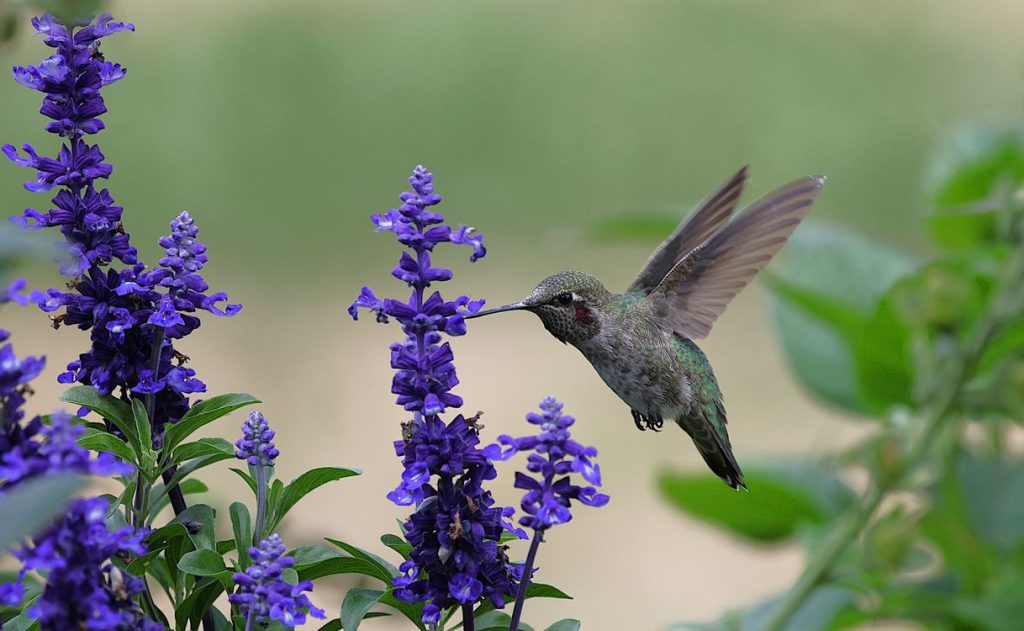
Leave your feeder up for at least 2 weeks after you see your last hummingbird of the season. This provides a safety window for late migrants, juveniles building strength, or stragglers from farther north passing through your yard.
Regional guidance
| Region | Typical Last Sighting | Safe Removal Window |
|---|---|---|
| Northeast / New England | Late September – Early October | Mid–Late October |
| Mid-Atlantic | Early–Mid October | Late October |
| Southeast | Late September – October | November |
| Midwest | Late September – Early October | Mid–Late October |
| Great Plains | September – Early October | Mid October |
| Mountain West | September | October |
| Pacific Northwest | September – October | November |
| Gulf Coast / Texas | October – November | Late November |
Note on Anna’s Hummingbirds: In parts of California, the Pacific Northwest, and the desert Southwest, Anna’s Hummingbirds are year-round residents. They do not migrate. If you live in their range, keep feeders up year-round — but still clean them regularly.
For a detailed species-by-species migration map and timeline, see our hummingbird migration guide.
Signs Your Feeder Is Helping (Not Hurting)
How do you know your August feeder is doing more good than harm? Watch for these indicators:
- Active visits. Hummingbirds are still coming daily — this means the feeder is providing real value.
- Aggressive feeding behavior. Increased aggression at the feeder (chasing, guarding) is a sign of hyperphagia. Birds are fueling up. This is normal and expected in August.
- Multiple visitors. If you’re seeing more hummingbirds than in June or July, you may be hosting migrants passing through from farther north.
- Clean nectar. You’re changing nectar every 1–2 days and the liquid stays clear. This means the feeder is safe.
Warning signs:
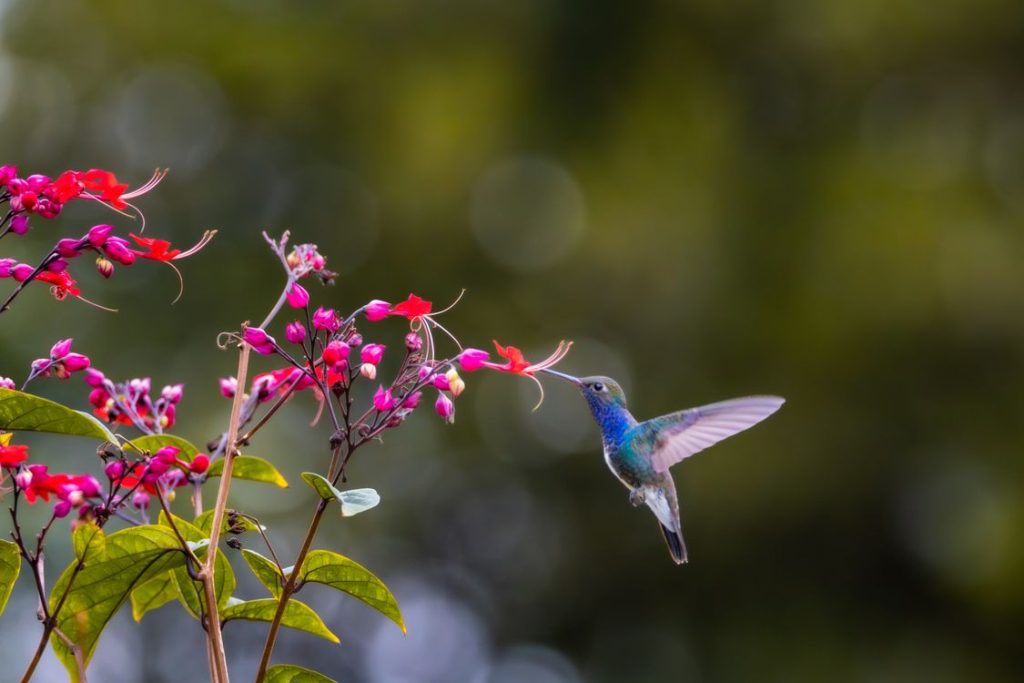
- Cloudy or bubbly nectar — change immediately
- Hummingbirds visiting but not feeding (approaching and leaving) — check for mold or fermentation
- Dead insects accumulating in the nectar — clean and refill
- Hummingbirds appearing disoriented or unsteady — this may indicate fermented nectar exposure; clean the feeder immediately and observe
FAQ
Will keeping hummingbird feeders up in August prevent them from migrating?
No. Hummingbird migration is triggered by changes in daylight length (photoperiod), not by food availability. Feeders do not prevent or delay migration. Leaving clean feeders up actually helps migrating birds by providing reliable fuel stops along their route.
When should I take down hummingbird feeders in the fall?
Leave feeders up for at least 2 weeks after you see the last hummingbird of the season. In most of the eastern U.S., this means mid-to-late October. In the West and South, it may be November. There’s no harm in leaving them up longer — late stragglers will appreciate the food.
What nectar ratio should I use in August?
Use the standard 1:4 ratio (1 cup white sugar to 4 cups water). Do not use a stronger 1:3 mix — it ferments faster in heat and can cause dehydration. Always use plain white granulated sugar. Never use honey, brown sugar, or artificial sweeteners.
How often should I clean my hummingbird feeder in August?
Clean the feeder every time you change the nectar — which in August means every 1–2 days when temperatures exceed 80°F. A quick rinse with hot water at each refill, plus a full vinegar scrub weekly, keeps mold and bacteria in check.
Do hummingbirds need feeders during migration?
Feeders supplement natural food sources during migration. Hummingbirds also feed on late-blooming flowers, tree sap, and small insects. A feeder is not essential for survival, but in areas where natural nectar is scarce — especially during dry Augusts — it provides a meaningful advantage for migrating birds.
Can I use a stronger sugar solution to give migrating hummingbirds more energy?
No. Stick with 1:4. A stronger solution (1:3) ferments faster in heat and can lead to dehydration — the opposite of what a migrating bird needs. The 1:4 ratio closely mimics the sugar concentration of natural flower nectar and is safe year-round.
My hummingbird feeder has mold inside. Can I still use it?
Yes, after deep cleaning. Disassemble the feeder completely, scrub all parts with a 1:1 white vinegar-water solution, and rinse thoroughly. For persistent mold, soak in a 1:9 bleach-water solution for 10 minutes, then rinse three times and air dry. Replace any parts with cracked seals or permanent staining.
Keep Them Fed, Keep Them Safe
The bottom line for August hummingbird feeding is simple:
- Keep feeders up. They help migrating birds, not hinder them.
- Change nectar every 1–2 days in the heat. Fresh nectar saves lives. Spoiled nectar harms them.
- Clean at every refill. Mold and bacteria are the real threats — not the feeder itself.
- Wait 2 weeks after your last sighting. Then and only then is it safe to bring the feeder inside.
Late summer is one of the most rewarding times to watch hummingbirds. The hyperphagia-fueled feeding frenzy, the arrival of juveniles learning your feeder location, the bittersweet moment when visits start to thin — it’s all part of the annual rhythm. Your feeder is part of that rhythm too.
Browse Kingsyard hummingbird feeders and ant moats designed for easy cleaning and reliable late-summer feeding — built to keep your hummingbirds fueled and safe through migration season.