How to Prepare Your Backyard Bird Feeders for Fall Migration
Sometime in late August, you’ll notice the shift. The goldfinches that mobbed your nyjer feeder all summer start to thin out. Hummingbird visits become erratic, then stop. A white-throated sparrow appears on the ground beneath your platform feeder, a bird you haven’t seen since April.
Fall migration is starting. And the backyard birders who get the most out of this season are the ones who prepare for it in August, not October.
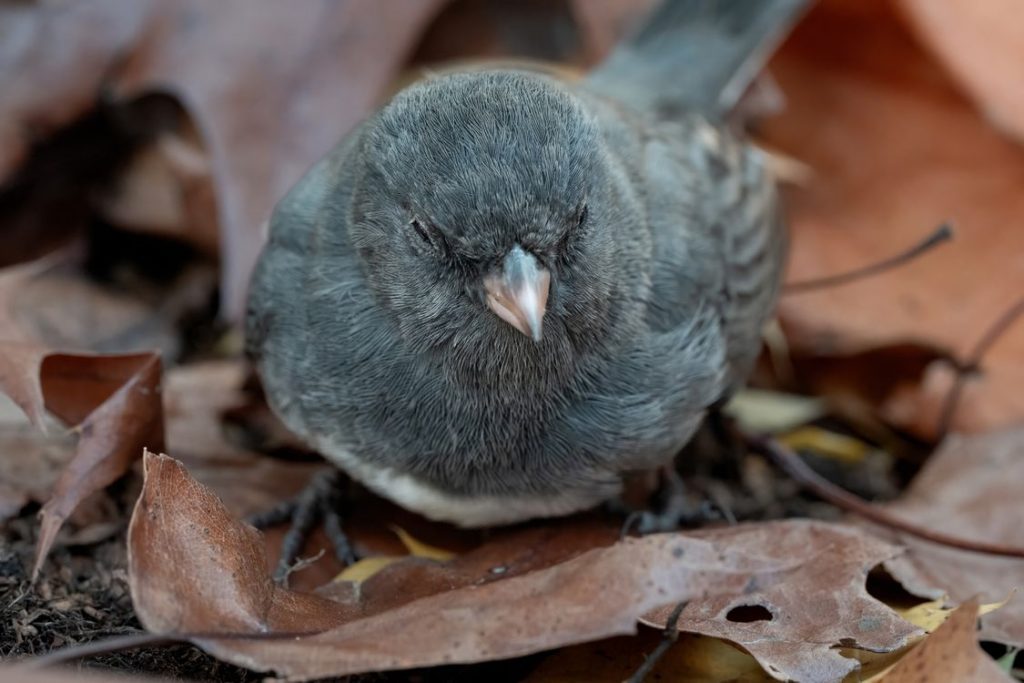
Fall migration is the largest bird movement event in North America. According to BirdCast from the Cornell Lab, billions of birds move south between August and November, with peak passage in September and October across most of the U.S. Many of these migrants — warblers, thrushes, sparrows, kinglets — don’t visit seed feeders. But plenty do: juncos, white-throated sparrows, pine siskins, purple finches, and evening grosbeaks all become regular fall feeder visitors as they pass through or settle into winter ranges.
Your feeder setup determines how many of these visitors you attract, how safely they feed, and how long they stay. This guide covers the five steps to prepare your backyard feeding station for the fall migration season.
When Does Fall Migration Start in Backyards?
Migration doesn’t arrive on a single date. It builds gradually, species by species, and the timing depends on where you live.
Approximate fall migration timeline
| Region | Early Migrants Arrive | Peak Migration | Winter Residents Settle |
|---|---|---|---|
| Northeast / New England | Late August | Mid September – October | Late October – November |
| Mid-Atlantic | Early September | September – October | November |
| Southeast | September | October | November – December |
| Midwest | Late August | September – October | Late October – November |
| Great Plains | September | October | November |
| Mountain West | September | October | November |
| Pacific Northwest | September | October – November | November |
| Gulf Coast / Texas | September | October – November | December |
What to watch for
The first sign of fall migration in your backyard is often subtle: a species you haven’t seen all summer appears at the feeder. In the Northeast and Midwest, this might be a white-throated sparrow, a dark-eyed junco, or a fox sparrow scratching under the feeder. In the West, watch for Oregon juncos, golden-crowned sparrows, or varied thrushes.
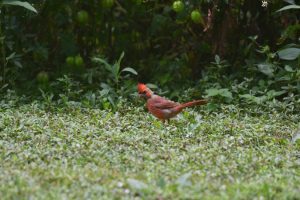
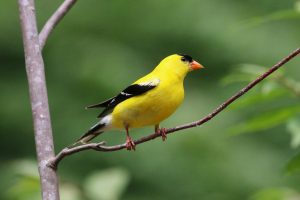
You may also notice changes in familiar species. Goldfinches shift from bright yellow to their duller winter plumage. Cardinals become more aggressive at feeders as territorial pressures change. Woodpecker visits increase as they switch from insect-heavy summer diets to seed and suet.
Our guide on fall bird feeding tips covers the specific foods and strategies that work best once migration is underway.
Do Feeders Help Birds During Fall Migration?
Yes. But with an important distinction. Feeders supplement natural food during migration. They don’t replace it.
Migrating birds rely primarily on native berries, seeds, insects, and flower nectar as they move south. But in urban and suburban environments where natural habitat is fragmented, feeders become critical refueling stops. A well-maintained feeder in a yard with native plants, clean water, and safe cover can mean the difference between a successful stopover and a bird that arrives at the next leg of its journey under-fueled.
The key is making your feeder worth visiting. That means:
- Fresh, clean food — not stale seed or moldy suet
- Multiple feeder types — so different species can find what they need
- Safe placement — away from window collision zones and predator ambush points
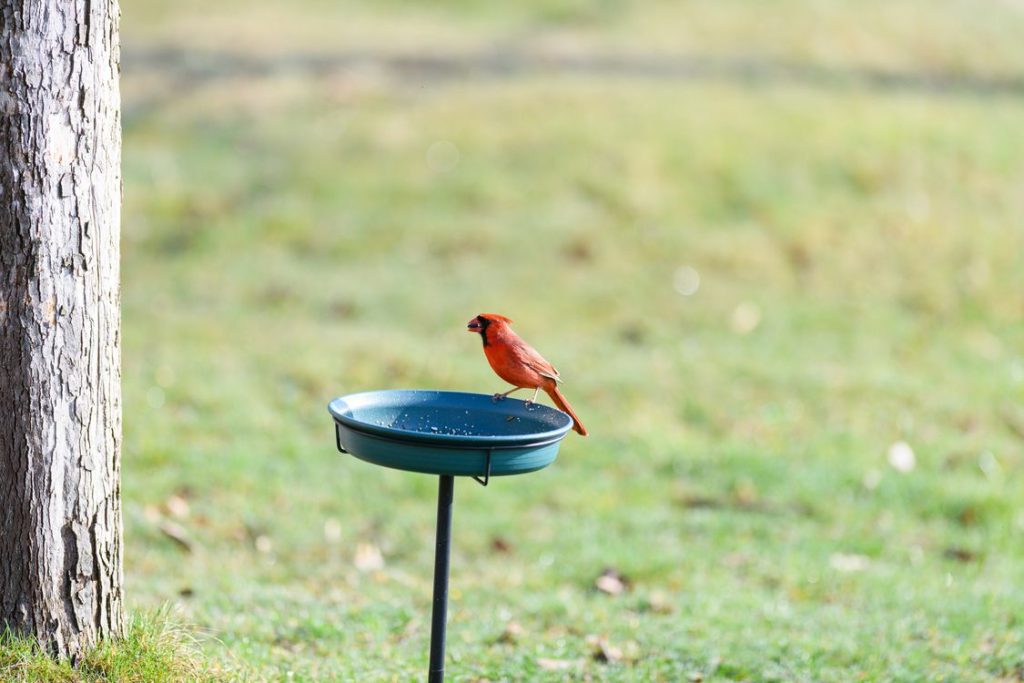
- Clean water — the single most overlooked element of a fall feeding station
A 2019 study published in Biological Conservation found that backyard feeders in fragmented suburban habitats significantly improved body condition scores for several overwintering species compared to areas without supplemental feeding. Feeders work — when they’re set up correctly.
Step 1: Clean and Inspect Every Feeder
Before migration traffic increases, do a full feeder reset. This is the same process outlined in our late-summer maintenance guide, but the timing matters: do it in the last two weeks of August, before the first wave of migrants arrives.
Essential actions:
- Empty all remaining seed and discard it
- Disassemble feeders completely
- Scrub with hot water and white vinegar (1:1 ratio)
- Deep sanitize with a 1:9 bleach solution for any feeder showing mold
- Rinse three times and air dry completely
- Check all ports, drainage holes, perches, and lids for damage
- Replace any feeder with cracked plastic, permanent mold staining, or broken hardware
Clean feeders prevent the disease transmission that spikes when many birds from different regions converge on a single feeding station. A feeder that was fine with 5 daily visitors in July may be dangerous with 20 daily visitors in September.
Our bird feeder cleaning guide provides the complete step-by-step process for every feeder type.
Step 2: Choose Feeders for Different Bird Types
Fall brings a wider variety of species to your yard than summer. A single tube feeder with black oil sunflower seed will attract some of them — but you’ll miss most. Here’s how to set up a feeder station that covers the full range of fall visitors:
Tube feeders (small perching birds)
The workhorse of any feeding station. Stock with black oil sunflower seeds for chickadees, titmice, nuthatches, and finches. In fall, add nyjer (thistle) for pine siskins and American goldfinches, who switch to a heavier nyjer diet as summer insects disappear.
Platform or tray feeders (ground-feeding and larger species)
Juncos, white-throated sparrows, towhees, and doves prefer feeding from a flat surface. Offer white millet or a mixed seed blend on a platform feeder with good drainage. Place it low — on a pole at 3–4 feet or directly on the ground in an open area where birds can see approaching predators.
Suet feeders (woodpeckers, nuthatches, wrens)
Suet demand increases in fall as temperatures drop and insects become scarce. Use standard suet cakes once nighttime temperatures consistently fall below 60°F. In warmer fall climates, stick with no-melt blends. Woodpeckers (downy, hairy, red-bellied) and white-breasted nuthatches are reliable suet visitors through fall and winter.
Hummingbird feeders (late migrants)
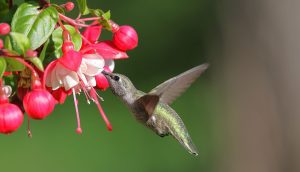
Keep hummingbird feeders up until 2 weeks after your last sighting — which in many regions means late September or October. Late migrants, especially juvenile birds, depend on feeders during the final stretch. See our guide on keeping hummingbird feeders up through migration for regional timing.
Platform feeders with fruit (orioles, tanagers, catbirds)
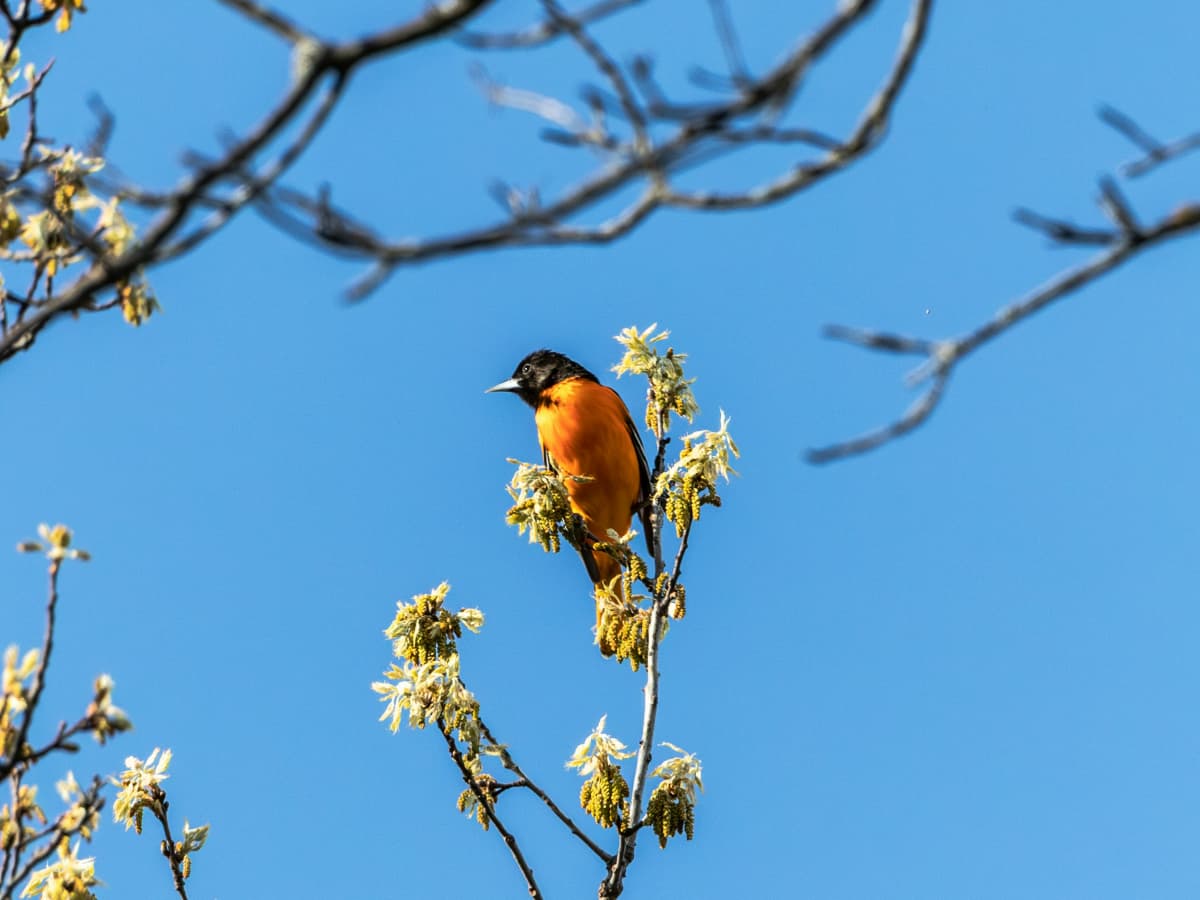
Some orioles and scarlet tanagers linger into early fall, especially in the South. Offer halved oranges and grape jelly through September. Replace every 1–2 days — fermented fruit in fall heat is as dangerous as in summer.
Step 3: Keep Water Available
Water is the most overlooked element of a fall feeding station — and often the most important.
In summer, bird baths serve a cooling and bathing function. In fall, they serve a survival function. Migrating birds need water for hydration, feather maintenance, and thermoregulation during long flights. Birds arriving at your yard after a night of migration are dehydrated and exhausted. A clean bird bath can be the deciding factor in whether they stop — and whether they come back.
Fall bird bath tips:
- Keep the water shallow (1–2 inches maximum). Most songbirds are not swimmers.
- Change the water every 2–3 days to prevent mosquito breeding and bacterial growth.
- Scrub the basin weekly with a stiff brush.
- In regions where nighttime temperatures drop below freezing by October, consider a heated bird bath or a birdbath heater to keep water liquid through the season.
- Place the bath within 10–15 feet of the feeder station but with clear sightlines — birds need to see approaching predators while bathing.
Our summer bird bath guide covers placement and cleaning practices that carry directly into fall.
Step 4: Prepare for Squirrels and Larger Bird Competition
Fall is squirrel season. As natural food sources shift and temperatures drop, squirrels become more aggressive at bird feeders. They’re caching food for winter, and your feeder is the most reliable food source in the neighborhood.
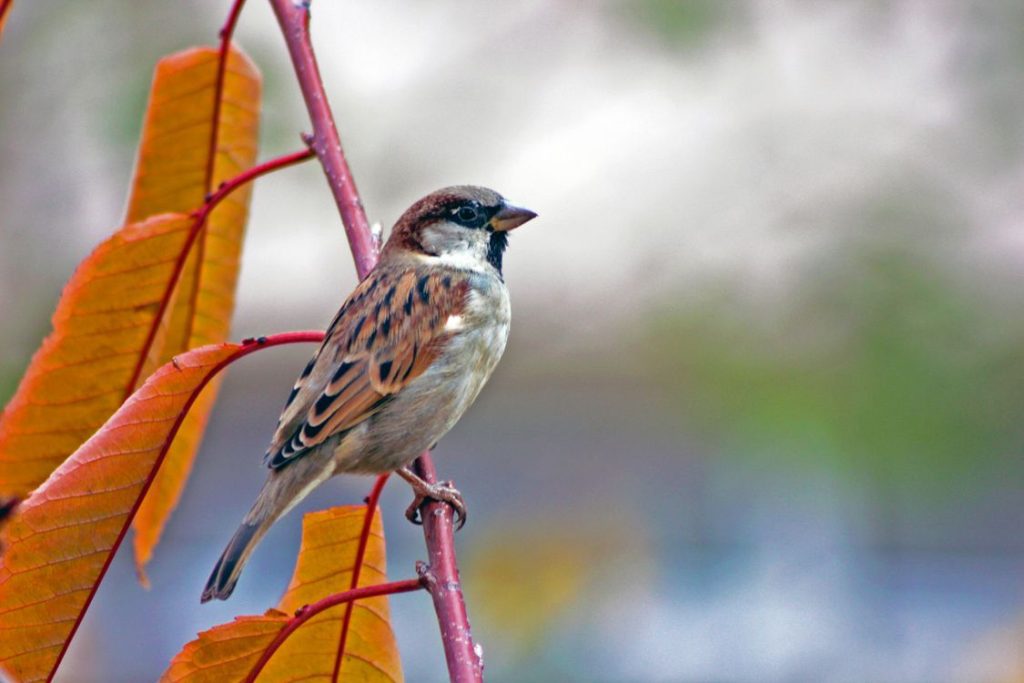
At the same time, fall brings larger bird species — blue jays, grackles, starlings, and crows — that can dominate feeders and intimidate smaller birds.
Squirrel-proofing checklist:
- Pole baffle. A cone or cylinder baffle mounted below the feeder on the pole is the single most effective squirrel deterrent. Position it 4–5 feet above ground level.
- Squirrel-proof feeders. Weight-activated feeders that close ports under squirrel weight are highly effective. Look for models with adjustable sensitivity so that large birds like jays can still feed but squirrels cannot.
- Distance from launch points. Squirrels can jump 8–10 feet horizontally. Place feeders at least 10 feet from trees, fences, roofs, and deck railings.
- Seed selection. Safflower seed is a natural squirrel deterrent — cardinals and chickadees love it, but most squirrels find it bitter. Mixing safflower into your regular seed blend reduces squirrel interest without changing what birds eat.
For the complete anti-squirrel playbook, see our guide on how to keep squirrels off bird feeders.
Managing larger birds:
Rather than excluding blue jays and other large species entirely — they’re part of the backyard ecosystem — focus on giving smaller birds their own space. A tube feeder with short perches or weight-activated ports near a shrub provides cover for small species. A separate platform feeder 10+ feet away gives jays and grackles their own station. Separation reduces conflict without eliminating any species.
Step 5: Create a Safer Feeder Zone
The physical space around your feeder matters as much as the feeder itself. In fall, as leaf cover thins and predator visibility changes, a few adjustments make your feeding station significantly safer.
Reduce window collision risk
This is the #1 human-caused threat to backyard birds. In fall, migratory birds unfamiliar with your yard are especially vulnerable.
- Place feeders within 3 feet of windows (birds can’t build fatal speed) or beyond 30 feet (they recognize the glass as structure).
- The 5–15 foot zone is the most dangerous. If your feeder is in this range, apply bird-safe window decals, external screens, or paracord to the glass surface.
- Close blinds or curtains on windows near the feeder during peak migration weeks.
Provide cover
Nearby shrubs, hedges, or brush piles give birds a place to retreat from hawks and rest between feeding bouts. Aim for cover within 15–20 feet of the feeder — close enough for a quick escape, far enough that cats can’t ambush from it.
As deciduous trees lose leaves in October, a feeder that had good canopy cover in summer may become fully exposed. Adding a brush pile or leaving seed heads on perennial plants near the feeder provides alternative cover.
Keep the area clean
Seed hulls, dropped food, and fecal matter accumulate under feeders through summer. Rake the ground beneath your feeder station before fall. A clean ground zone reduces disease transmission, discourages rodents, and makes the area more attractive to ground-feeding species like juncos and sparrows.
For a comprehensive feeder placement strategy, see our bird feeder setup & placement guide.
Fall Feeder Setup Checklist
Use this checklist to audit your feeding station before peak migration:
Feeder readiness
- [ ] All feeders cleaned and sanitized
- [ ] Hummingbird feeders stocked with fresh nectar (keep until 2 weeks after last sighting)
- [ ] Tube feeders loaded with black oil sunflower and/or nyjer
- [ ] Platform feeders stocked with millet or mixed seed
- [ ] Suet feeders filled (no-melt blends if still warm)
- [ ] Fruit feeders set up if orioles/tanagers are still present
Squirrel defenses
- [ ] Pole baffles installed and secure
- [ ] Squirrel-proof feeders tested and functional
- [ ] Feeders positioned 10+ feet from squirrel launch points
- [ ] Safflower seed mixed into blend (optional squirrel deterrent)
Safety
- [ ] Feeders within 3 ft or beyond 30 ft from windows
- [ ] Window decals or screens applied if feeder is in the 5–15 ft danger zone
- [ ] Ground under feeders raked and cleared
- [ ] Cover (shrubs/brush piles) available within 15–20 ft
Water
- [ ] Bird bath cleaned and filled with fresh water
- [ ] Bird bath within 15 ft of feeder station
- [ ] Heated bird bath or heater ready (if freezing temps expected by October)
Supplies
- [ ] Fresh seed in sealed storage
- [ ] Nectar supplies (sugar, water) on hand
- [ ] Suet cakes in stock
- [ ] Cleaning supplies restocked
FAQ
When should I put out bird feeders for fall?
If you’ve been feeding all summer, late August is the time to clean and reset your existing feeders for fall traffic. If you’re starting fresh, put feeders out in early to mid-September, this catches the first wave of migrating species and early-arriving winter residents.
Do I need different feeders for fall migration?
Not necessarily different feeders, but more variety helps. A tube feeder for sunflower seed, a platform feeder for millet, and a suet feeder cover most fall visitors. If you have only one feeder, adding a second, even a simple platform feeder — dramatically increases species diversity.
What food attracts the most birds in fall?
Black oil sunflower seed is the single most universally attractive food for fall feeder visitors. Nyjer attracts goldfinches and siskins. Suet draws woodpeckers and nuthatches. White millet on a platform feeder brings in sparrows and juncos. Offering multiple food types across multiple feeder styles attracts the widest range of species.
Should I feed birds during fall migration or let them find natural food?
Supplemental feeding helps, especially in suburban and urban areas where natural habitat is limited. Feeders don’t create dependency, birds use them alongside natural food sources. A well-maintained feeder with fresh food, clean water, and nearby cover improves body condition for both migrants and overwintering residents.
How do I keep squirrels from taking over my feeders in fall?
The most effective combination is a pole-mounted baffle (cone or cylinder) placed 4–5 feet above ground, plus feeders positioned at least 10 feet from any tree, fence, or structure squirrels can jump from. Weight-activated squirrel-proof feeders provide an additional layer of protection. Safflower seed in the mix reduces squirrel interest without affecting most bird species.
Do birds need water in fall as much as in summer?
Yes. Migrating birds arrive dehydrated after long flights. Even resident species need fresh water for drinking and feather maintenance as they transition into winter plumage. Keep bird baths clean and filled through October. In freezing climates, switch to a heated bird bath once temperatures drop below 32°F.
Should I remove hummingbird feeders before fall migration?
No. Keep hummingbird feeders up through migration. Leave them in place for at least 2 weeks after the last hummingbird sighting. In most of the eastern U.S., this means keeping feeders up through mid-to-late October. Clean feeders do not prevent migration, but spoiled nectar in dirty feeders harms the birds that visit them.
Get Ready for the Busiest Season
Fall migration is the most exciting time to watch your backyard feeders. New species arrive weekly. Familiar birds change plumage and behavior. The feeding station that felt routine all summer suddenly comes alive with sparrows, siskins, and the first juncos of the season.
Five things to do right now in late August to get ready:
- Clean everything. Full disassemble, vinegar scrub, dry, refill with fresh.
- Add feeder variety. Tube + platform + suet covers most fall species.
- Fill the bird bath. Clean water is as important as clean food.
- Check squirrel defenses. Baffles, hardware, and distance from launch points.
- Rake under the feeders. A clean ground zone prevents disease and attracts ground-feeding sparrows.
The migration window opens in a few weeks. Your backyard is either ready, or it isn’t.
Browse Kingsyard bird feeders and bird baths built for every season, designed to help you attract more birds, more safely, through fall migration and beyond.