10 Spring Bird Feeding Mistakes (And How to Fix Them)
You filled your feeder with premium seed. You positioned it perfectly. You waited patiently. But the birds aren’t coming, or worse, they’re visiting briefly and leaving.
What went wrong?
Spring bird feeding seems simple, but small mistakes can undermine your efforts entirely. The problem? Most people don’t realize they’re making these mistakes until it’s too late.
After consulting with ornithologists and analyzing thousands of backyard birding experiences, we’ve identified the 10 most common spring bird feeding mistakes, and exactly how to fix each one.
By the end of this guide, you’ll know how to avoid the pitfalls that keep birds away and create a backyard that becomes a bird destination this spring.
Mistake #1: Stopping Feeding When Spring Arrives
The Mistake
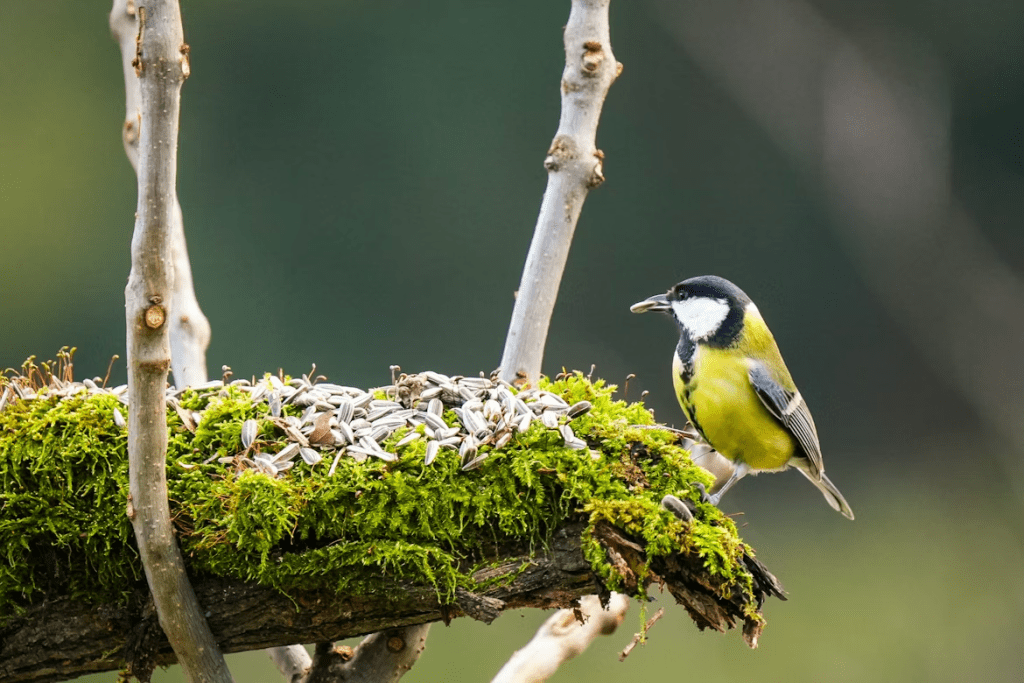
Many people assume birds don’t need help once winter ends. They pack away feeders in March, thinking natural food sources are abundant.
Why It’s Wrong
Spring is actually one of the most challenging times for birds:
- Migration depletes energy reserves — Birds arrive exhausted after traveling thousands of miles
- Natural food is scarce — Insects haven’t emerged; seeds from last year are gone; berries are months away
- Breeding demands extra nutrition — Egg-laying, incubation, and feeding nestlings require enormous energy
The food gap: Between winter’s end and spring’s abundance, there’s a 4-6 week period when natural food is actually scarcer than in winter.
The Fix
Continue feeding through May and June. Adjust your offerings for the season:
| Season | Focus |
|---|---|
| Early spring (March-April) | Support arriving migrants |
| Mid-spring (April-May) | Provide breeding nutrition |
| Late spring (May-June) | Help feeding nestlings |
Pro Tip: Spring is the best time to attract new species. Migrants are actively seeking food sources and will remember reliable yards for next year.
Mistake #2: Using Winter Foods in Warm Weather
The Mistake
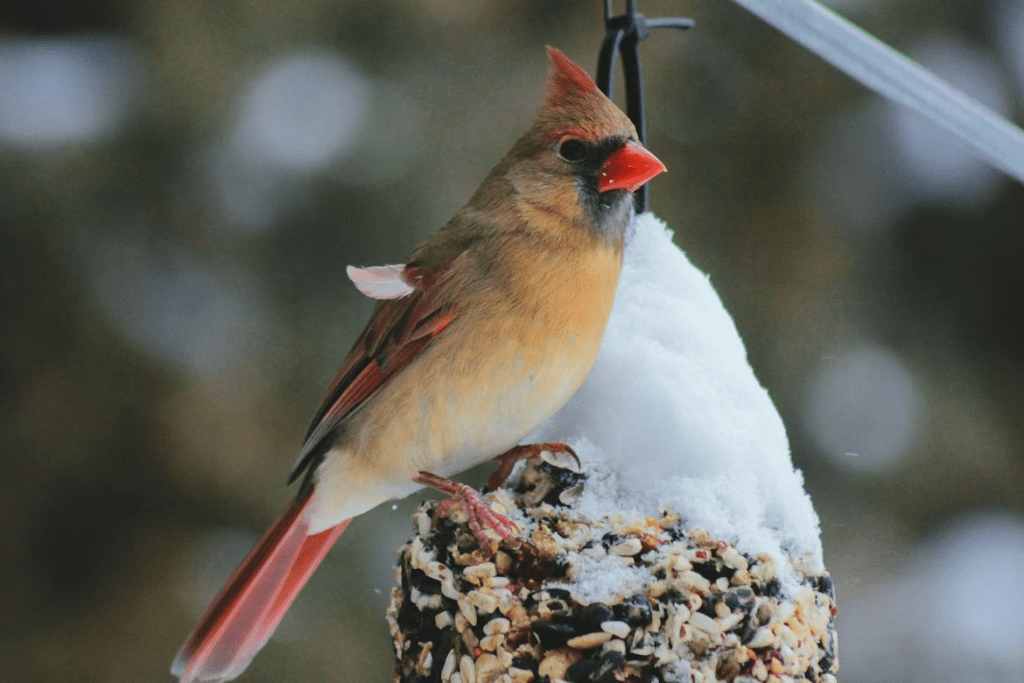
You keep offering the same high-fat suet and large seed quantities that worked perfectly in winter.
Why It’s Wrong
Spring brings warmer temperatures that change food requirements:
- Suet melts — Temperatures above 50°F cause suet to become soft, rancid, and potentially harmful
- High-fat foods spoil faster — Warmth accelerates bacterial growth
- Birds need different nutrition — Breeding season requires more protein, less fat
The Fix
Transition your food offerings:
| Winter Food | Spring Replacement |
|---|---|
| High-fat suet | No-melt suet or suet nuggets |
| Large seed quantities | Smaller, fresher portions |
| Primarily fat-rich foods | Add protein sources (mealworms, peanuts) |
Spring food priorities:
- Black oil sunflower seeds (year-round staple)
- Mealworms (high protein for nestlings)
- No-melt suet (insect-based varieties)
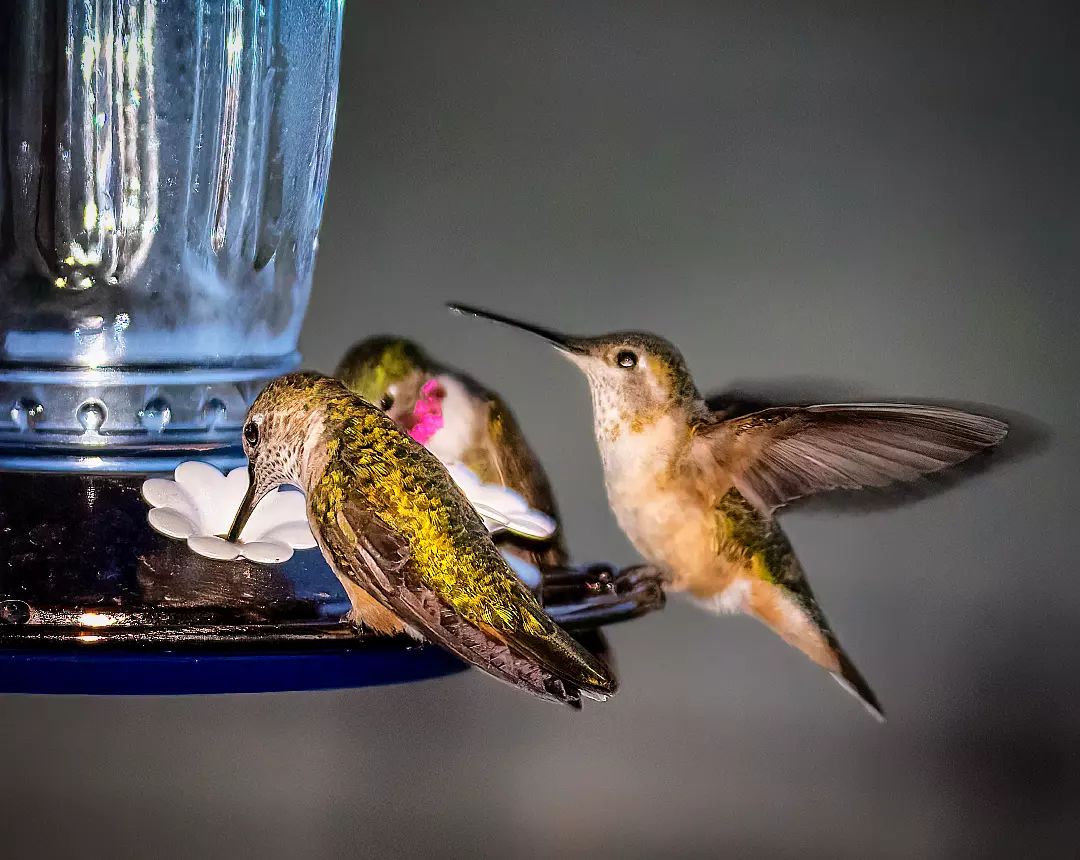
- Nectar for hummingbirds
- Fresh fruit for orioles and tanagers
Mistake #3: Neglecting Feeder Hygiene
The Mistake
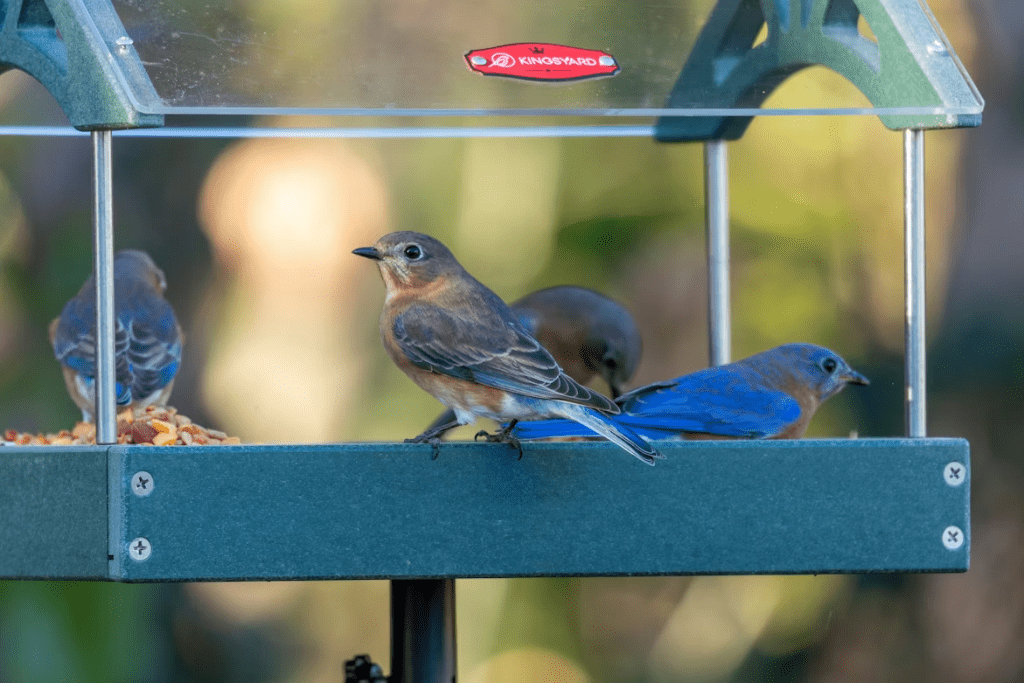
You clean feeders “when they look dirty”, maybe once a month, maybe less.
Why It’s Wrong
Warm spring weather creates ideal conditions for bacteria, mold, and disease transmission:
- Bacteria multiply faster — Temperatures above 60°F accelerate growth
- Wet seed breeds mold — Spring rain + organic material = dangerous mold
- Diseases spread quickly — Salmonella, avian pox, and conjunctivitis thrive in dirty feeders
The invisible problem: Feeders can look clean but harbor harmful bacteria in microscopic scratches and crevices.
The Fix
Establish a cleaning schedule:
| Task | Frequency |
|---|---|
| Check for wet/moldy seed | Daily |
| Remove debris and droppings | Every 2-3 days |
| Wash with soap and water | Weekly |
| Disinfect with 10% bleach solution | Every 2 weeks |
| Deep clean all equipment | Monthly |
Cleaning protocol:
- Empty feeder completely
- Scrub with warm, soapy water
- Rinse thoroughly
- Soak in 10% bleach solution for 10 minutes
- Rinse until no bleach smell remains
- Air dry completely before refilling
Mistake #4: Ignoring Water Sources
The Mistake
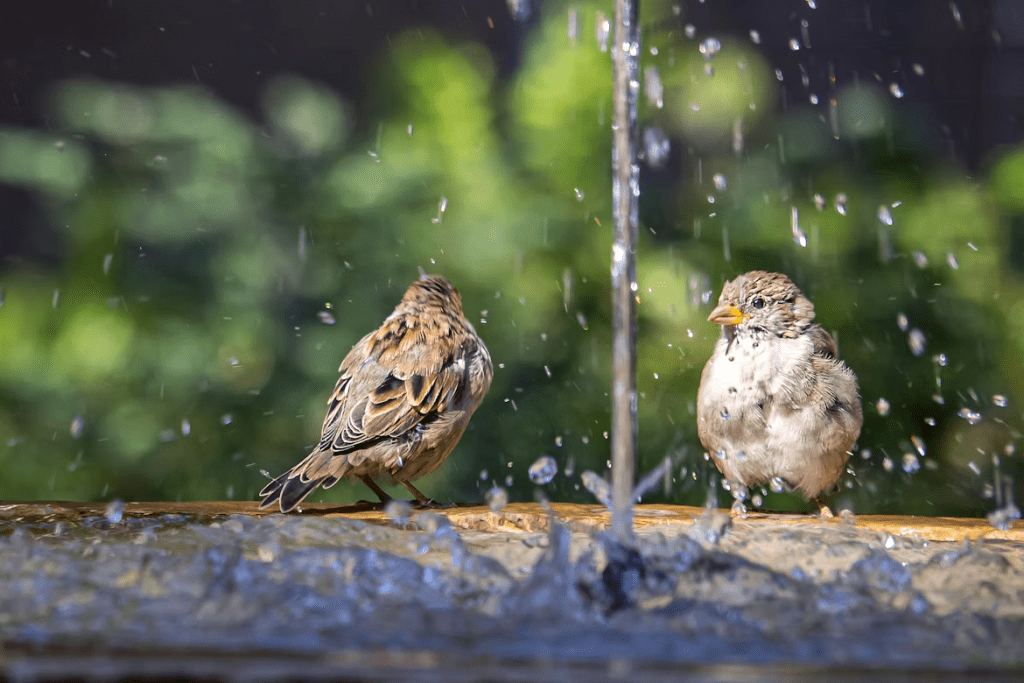
You provide excellent food but no water. Birds visit, eat, and leave quickly.
Why It’s Wrong
Birds need water for:
- Drinking — Essential for digestion and hydration
- Bathing — Keeps feathers in optimal condition for flying and insulation
- Temperature regulation — Especially important in warming spring weather
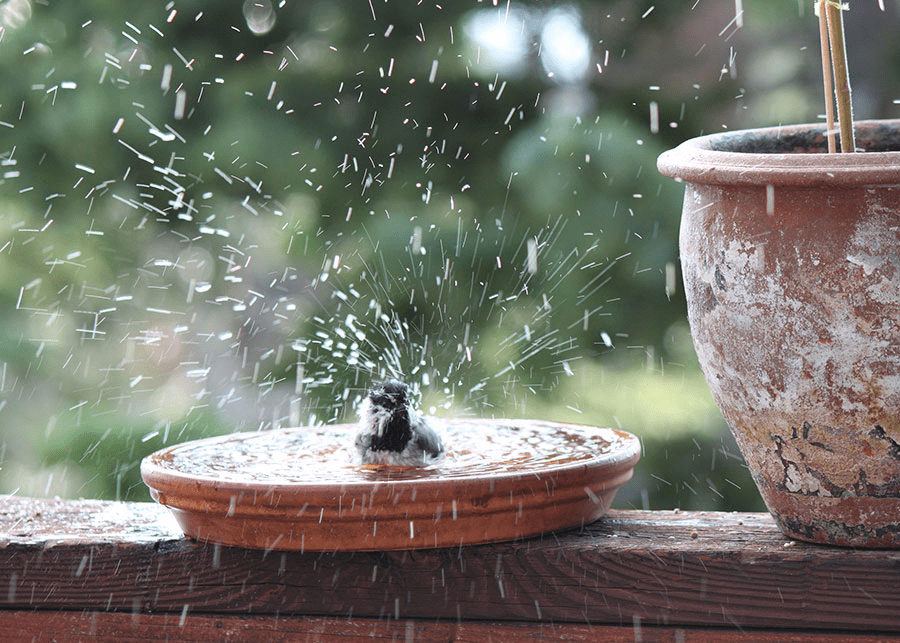
The multiplier effect: A water source can attract birds that never visit feeders. Some species, like robins, warblers, and thrushes rarely eat from feeders but readily visit birdbaths.
The Fix
Add a water source:
Birdbath basics:
- Shallow depth (1-2 inches)
- Rough bottom for grip
- Clean and refill every 2-3 days
- Place near cover (10-15 feet from shrubs)
Enhancements:
- Dripper or mister (sound attracts birds)
- Heating element for early spring cold snaps
- Multiple baths at different heights
Pro Tip: Position water where you can see it. Birds at birdbaths are often more visible and entertaining than birds at feeders.
Mistake #5: Overcrowding Feeders
The Mistake
You have one feeder that attracts many birds. It seems successful, until you notice birds fighting, some species excluded, and increased disease risk.
Why It’s Wrong
Spring brings territorial behavior:
- Males defend feeding areas — Dominant birds exclude others
- Stress weakens birds — Constant competition affects health
- Disease spreads faster — Crowded conditions accelerate transmission
- Species exclusion — Aggressive species may prevent shy birds from feeding
The Fix
Create multiple feeding stations:
| Strategy | Implementation |
|---|---|
| Multiple feeders | 3-4 feeders spaced 10-15 feet apart |
| Different feeder types | Hopper, tube, platform, nectar |
| Various foods | Different seeds at different stations |
| Height variation | Some high, some low |
Spacing matters: 10-15 feet between feeders reduces territorial conflicts while keeping stations visible to each other (for your enjoyment).
Mistake #6: Poor Feeder Placement
The Mistake
Your feeder is in a convenient spot for you. But birds avoid it because it’s too exposed, too close to a window, or too accessible to predators.
Why It’s Wrong
Birds choose feeding locations based on safety:
- Too exposed — No escape route from predators
- Too close to cover — Cats and hawks can ambush
- Near windows — Reflections confuse birds; collision risk
- In full sun — Food spoils faster; birds overheat
The Fix
Optimal feeder placement:
| Factor | Ideal Setup |
|---|---|
| Distance from cover | 10-15 feet from shrubs/trees |
| Height | 4-6 feet (eye level for maintenance) |
| Sun exposure | Morning sun, afternoon shade |
| Wind protection | Sheltered from prevailing winds |
| Visibility | Where you can watch, but not too close to high-traffic areas |
The 10-15 foot rule: Close enough to cover for escape, far enough to avoid ambush. This is the sweet spot for bird comfort.
Mistake #7: Feeding the Wrong Foods
The Mistake
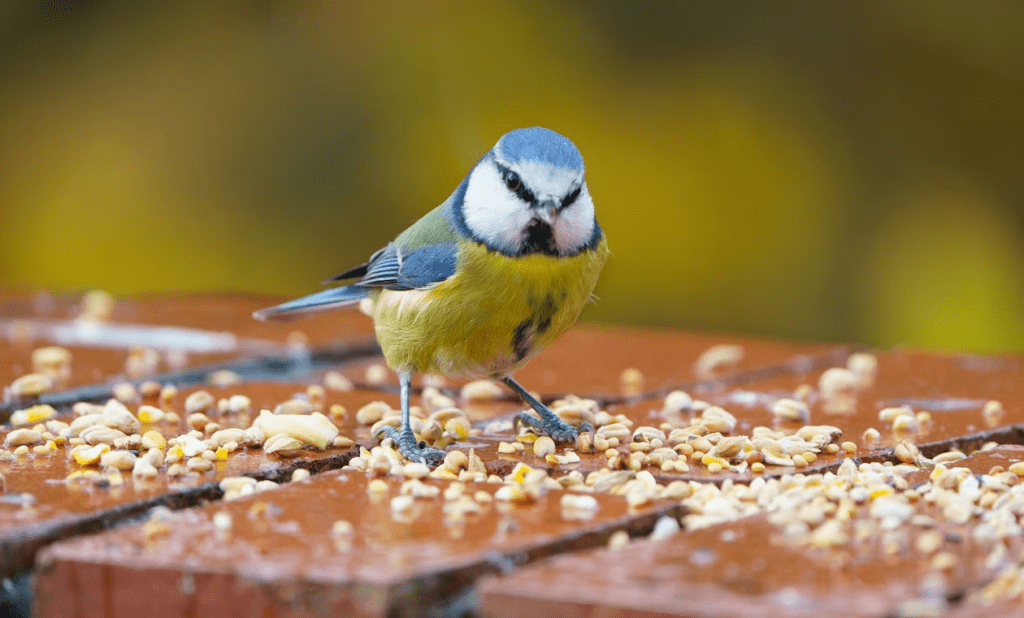
You offer bread, crackers, or cheap seed mixes filled with milo, wheat, and other fillers.
Why It’s Wrong
Bread and processed foods:
- Offer almost no nutritional value
- Can cause malnutrition in developing chicks
- May contain harmful additives
- Attract pests (rats, pigeons)
Low-quality seed mixes:
- Birds pick through and waste most of it
- Fillers attract unwanted species
- Mold faster than quality seed
- Poor value despite lower price
The Fix
Feed what birds actually want:
Best foods:
- Black oil sunflower seeds (universal favorite)
- Safflower seeds (cardinals love them; squirrels don’t)
- Peanuts (high protein)
- Mealworms (nestling food)
- Nyjer/thistle (finches)
- Quality suet (no-melt varieties in spring)
Never feed:
- Bread, crackers, chips
- Salty foods
- Moldy or spoiled seed
- Honey (dangerous to hummingbirds)
- Foods with artificial colors or preservatives
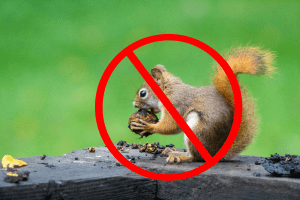
Mistake #8: Letting Squirrels Take Over
The Mistake
Squirrels eat most of your seed, damage feeders, and scare away birds. You’ve tried everything or so you think.
Why It’s Wrong
Squirrels are persistent and intelligent. But they’re not unstoppable. The problem is most “solutions” don’t address the root issue.
Common failed attempts:
- Plastic baffles (squirrels chew through them)
- Hot pepper in seed (works temporarily, then squirrels adapt)
- Moving feeders (squirrels find them within days)
The Fix
Multi-layer squirrel strategy:
| Method | Effectiveness |
|---|---|
| Safflower seeds | High — squirrels typically avoid |
| Metal baffle (cone) | High — prevents climbing |
| Weight-activated feeder | High — closes under squirrel weight |
| Distance from launch points | Medium — 10+ feet from trees/fences |
| Hot pepper suet | Medium — birds can’t taste capsaicin; squirrels can |
Best approach: Combine methods. Use safflower seeds in a weight-activated feeder, positioned 10+ feet from any jumping-off point, with a metal baffle above.
Mistake #9: Ignoring Spring Weather Challenges
The Mistake
You don’t adjust for spring’s unpredictable weather. Rain soaks seed, late freezes damage nectar, and temperature swings cause problems.
Why It’s Wrong
Spring weather is notoriously variable:
- Rain — Soaks seed, promotes mold, makes nectar ferment
- Late freezes — Can crack plastic feeders, freeze nectar
- Temperature swings — 30°F changes in a single day affect food quality
- Wind — Can damage or displace feeders
The Fix
Weather-ready feeding:
For rain:
- Choose feeders with drainage holes
- Use weather guards or domes
- Check and replace wet seed within 24 hours
- Reduce quantities during wet periods
For late freezes:
- Bring nectar feeders inside on freezing nights
- Check plastic feeders for cracks
- Don’t fill feeders completely (allows for expansion)
For temperature swings:
- Monitor food quality more frequently
- Adjust quantities based on consumption
- Position feeders in shaded areas during warm spells
Mistake #10: Giving Up Too Soon
The Mistake
You put up a feeder, waited a week, saw no birds, and concluded “birds don’t like my yard.”
Why It’s Wrong
Bird discovery takes time:
- Birds are cautious — New objects in their environment are treated with suspicion
- They need to find you — Birds don’t know your feeder exists until they stumble upon it
- Territory establishment takes time — Birds may be establishing territories elsewhere first
Typical timeline:
- Week 1-2: Discovery phase (few or no visitors)
- Week 3-4: Exploration phase (occasional visitors)
- Month 2: Establishment phase (regular visitors)
- Month 3+: Expansion phase (multiple species, consistent traffic)
The Fix
Be patient and consistent:
What to do while waiting:
- Keep feeders filled consistently
- Add a water source (attracts attention)
- Plant native vegetation
- Reduce threats (cats, pesticides)
- Try different foods
Signs of progress:
- Birds perching nearby, observing the feeder
- Brief visits that increase in duration
- Multiple visits per day
- Different species appearing
Pro Tip: The first species to discover your feeder will often be chickadees or titmice. They’re curious and bold. Once they start visiting regularly, other species will follow.
Spring Feeding Mistakes Checklist
Use this checklist to evaluate your spring feeding setup:
Food and Feeding
- Continuing to feed through spring (not stopping in March)
- Using spring-appropriate foods (no-melt suet, mealworms)
- Offering quality seed (no fillers, no bread)
- Adjusting quantities for consumption (not overfilling)
Hygiene and Maintenance
- Cleaning feeders every 1-2 weeks
- Checking for wet/moldy seed daily
- Replacing nectar every 2-3 days
- Removing debris and droppings regularly
Feeder Setup
- Multiple feeders spaced 10-15 feet apart
- Different feeder types for different species
- Proper placement (10-15 ft from cover, morning sun)
- Weather protection (drainage, covers)
Water and Habitat
- Clean water source available
- Water refreshed every 2-3 days
- Native plants for natural food and shelter
- Reduced threats (cats controlled, no pesticides)
Patience and Persistence
- Committed to 2-3 months before evaluating
- Keeping feeders consistently filled
- Making adjustments based on observations
- Not discouraged by slow start
FAQ: Spring Bird Feeding Mistakes
How long should I keep feeding in spring?
Continue feeding through May and June. Spring is a critical time for migrants and breeding birds. Many people stop too early, missing peak bird activity.
Why are birds ignoring my new feeder?
New feeders take 2-4 weeks to be discovered. Birds are cautious of new objects. Be patient, keep it filled, and consider adding a water source nearby to attract attention.
Should I clean feeders even if they look clean?
Yes. Bacteria and mold can be invisible. Clean feeders every 1-2 weeks in spring, more often in warm or wet weather.
Why do birds throw seed on the ground?
They’re often selecting preferred seeds from mixed seed blends. Switch to single-seed offerings (like black oil sunflower) or higher quality mixes with less filler.
How do I stop squirrels without harming birds?
Use safflower seeds (squirrels dislike them), install metal baffles, and position feeders 10+ feet from jumping-off points. Weight-activated feeders also work well.
Is it okay to feed birds bread?
No. Bread offers no nutritional value and can harm birds, especially developing chicks. Stick to seeds, suet, mealworms, and natural foods.
Why did birds suddenly stop visiting my feeder?
Possible causes: food quality issues (stale, moldy), predator presence, competition from other food sources, or seasonal behavior changes. Check food quality first.
Should I feed birds during rain?
Yes, but check feeders afterward. Wet seed molds quickly. Use covered feeders or reduce quantities during wet periods.
Fix Your Mistakes, See More Birds
Spring bird feeding mistakes are easy to make and easy to fix. The difference between a quiet yard and a bustling bird haven often comes down to a few simple adjustments.
Key takeaways:
- Keep feeding through spring — Birds need you most during migration and breeding
- Adjust for warmer weather — Switch foods, clean more often, watch for spoilage
- Add water — Attracts more birds than food alone
- Space your feeders — Reduces conflict and disease spread
- Be patient — Discovery takes 2-4 weeks; consistency pays off
Ready to transform your yard?
- Learn more about spring feeding in our Ultimate Spring Bird Feeding Guide
- Choose the right feeders with our Best Window Bird Feeders guide
- Attract specific species with our guide on How to Attract Cardinals
The birds are out there. Fix these mistakes, and they’ll find you.
Related Articles:


Post Comment