3 Summer-Specific Bird Feeder Problems You Need to Watch For (And How to Fix Them)
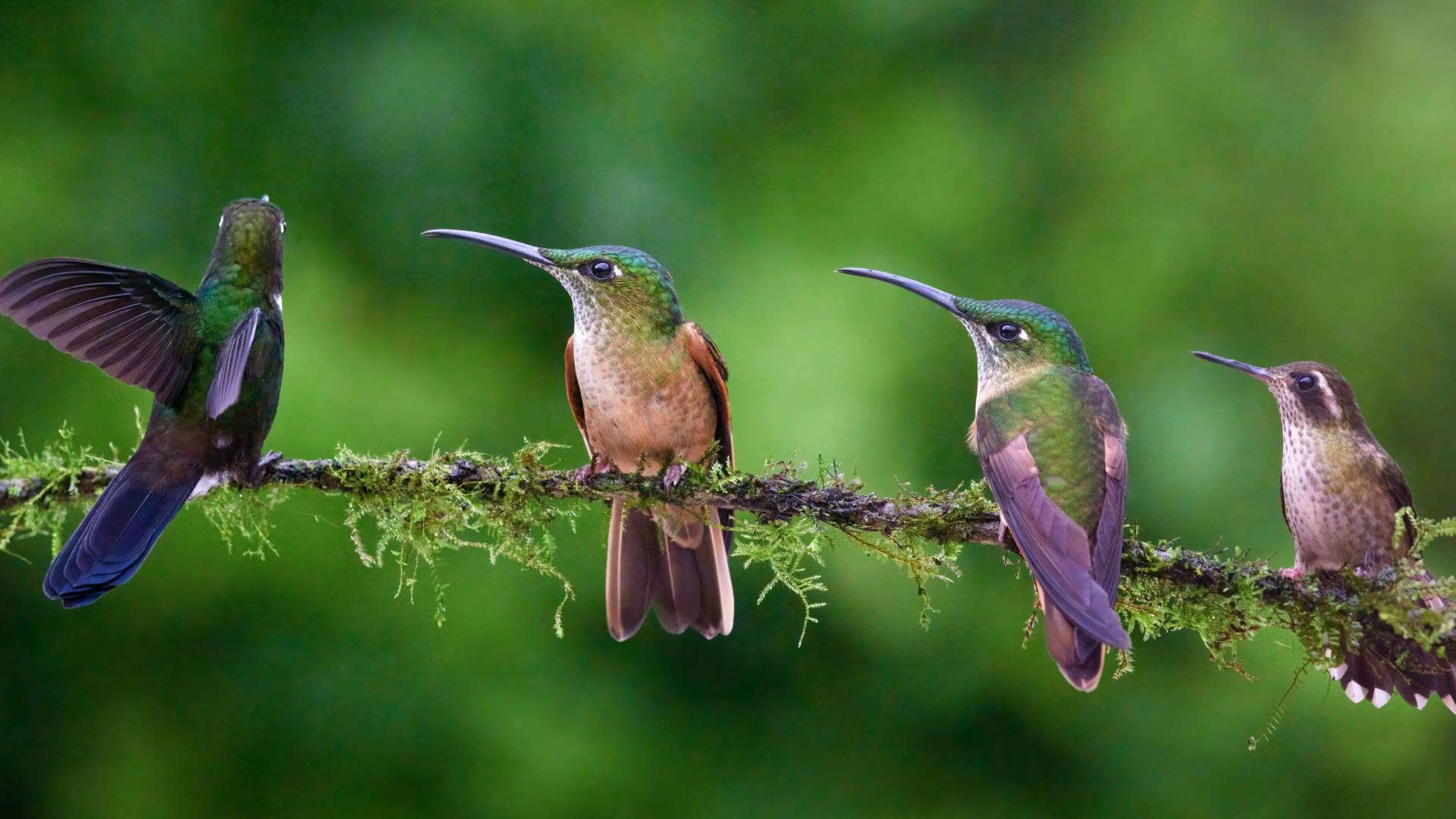
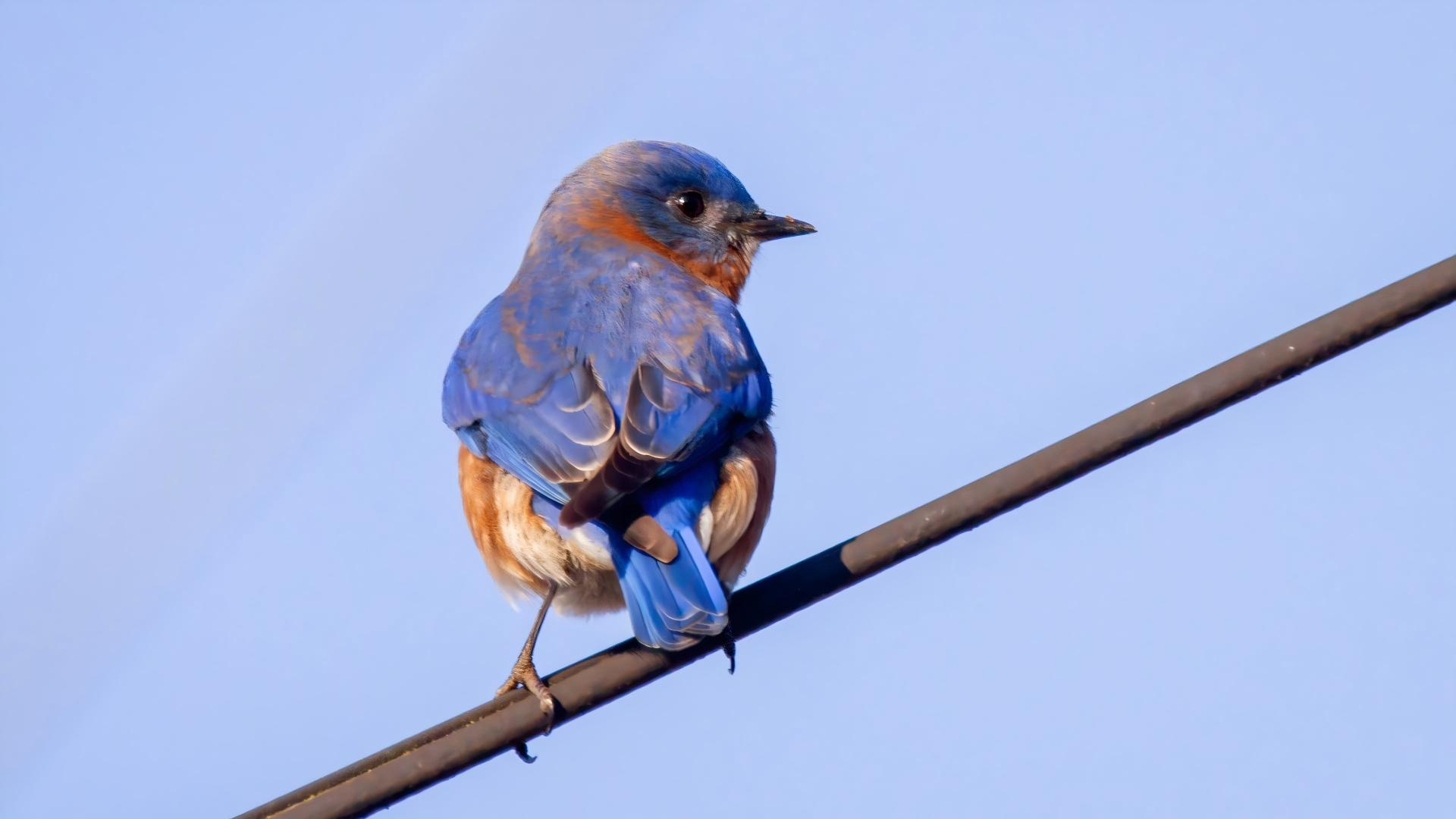
Summer is the highest-activity season for backyard bird feeders. Hummingbirds are at peak numbers. Goldfinches are nesting. Bluebirds are feeding second broods. Your feeder might see more visits in a single June day than it does in an entire week of January. Choosing quality bird feeders designed for easy maintenance makes summer care significantly simpler.
But summer heat introduces problems that don’t exist in winter — and they can kill birds fast if ignored.
Here’s the data: according to the Cornell Lab of Ornithology’s FeederWatch program, disease outbreaks at bird feeders increase by roughly 40% during warm months compared to cold months. The combination of heat, humidity, and high visitor density creates a perfect environment for pathogens.
Most backyard birders winterize their feeders but never “summerize” them. The result: fermented nectar that sickens hummingbirds, moldy seed that spreads finch infections, and ant invasions that contaminate every feeder in the yard.
This guide covers the three specific problems summer creates for bird feeders — and exactly how to fix each one.
Table of Contents
Problem 1: Nectar Fermentation in Hummingbird Feeders
Why summer makes it worse: Nectar spoilage is a chemical reaction accelerated by heat. At 70°F, hummingbird nectar (a simple 1:4 sugar-water solution) begins fermenting within 48–72 hours. At 85°F+, fermentation can start in under 24 hours.
Fermented nectar produces ethanol. Hummingbirds that consume it show symptoms similar to alcohol intoxication: disorientation, unsteady flight, inability to perch, and in severe cases, fatal liver damage.
What to look for:
- Cloudy or milky nectar (fresh nectar should be crystal clear)
- Visible bubbles or foam on the surface
- A sour or alcoholic smell (taste is not necessary — the smell is unmistakable)
- Black mold spots inside the feeder ports or on the bottle surface
The fix:
| What | Winter | Summer |
|---|---|---|
| Nectar change frequency | Every 5–7 days | Every 1–2 days |
| Feeder cleaning | Every fill | Every fill — with hot water and vinegar |
| Shade placement | Optional | Required — direct sun accelerates fermentation by 3x |
| Batch size | Full bottle | Half-fill to reduce waste |
Summer nectar recipe:
- Mix 1 cup white granulated sugar with 4 cups water
- Boil for 1–2 minutes (this slows initial spoilage)
- Cool completely before filling
- Store unused nectar in the refrigerator for up to one week
Never use honey, brown sugar, artificial sweeteners, or red dye. Honey promotes harmful bacterial growth. Brown sugar contains iron, which is toxic to hummingbirds in concentrated amounts.
Pro tip: If you notice ants in your hummingbird feeder alongside the nectar issues, the two problems are often connected. Ants are attracted to sugar leaks from overfilled or damaged feeder ports. A properly maintained feeder with a Kingsyard ant moat attached creates a physical barrier that ants cannot cross, keeping the nectar clean and safe.
Problem 2: Mold and Bacteria in Seed Feeders
Why summer makes it worse: Mold spores are everywhere in warm, humid environments. When temperatures stay above 70°F and humidity exceeds 60%, seed in a tube feeder can develop visible mold within 5–7 days — even if birds are eating from it regularly.
The most dangerous mold for birds is Aspergillus, which causes aspergillosis — a respiratory infection that is often fatal in wild birds. Finches are particularly susceptible.
What to look for:
- Clumped or wet seed (moisture has penetrated the feeder)
- White, gray, or green fuzzy growth on seed hulls
- A musty or sour smell from the feeder
- Birds appearing lethargic or fluffed up near the feeder (potential sign of disease)
- Seed hulls accumulating at the bottom of the feeder, blocking drainage
The fix:
| What | Winter | Summer |
|---|---|---|
| Cleaning frequency | Every 2 weeks | **Every 1 week minimum** |
| Seed purchase | Buy large bags | **Buy small batches** — seed stored in heat loses nutrients |
| Feeder type | Any style | **Tube feeders with drainage holes** perform best |
| Location | Sunny spots fine | **Full shade** extends seed freshness by 3–4 days |
Summer seed management:
- Never fill the feeder to the top. Fill only what birds will eat in 3–4 days
- Store bulk seed in a sealed metal container in a cool, dry place — not in the garage or shed
- Discard any seed that smells musty or shows visible mold
- Clean feeders with a 1:9 bleach-to-water solution (rinse thoroughly afterward) once a month in addition to the weekly vinegar scrub. Dedicated bird feeder accessories like cleaning brushes and ant moats make summer maintenance significantly easier.
For a complete step-by-step cleaning routine, see our bird feeder cleaning guide — it covers the disassembly, scrubbing, and drying process for every feeder type.
Problem 3: Ant Invasion at Every Feeder
Why summer makes it worse: Ant colonies are at peak population in June and July. Worker ants forage constantly to feed the colony. A bird feeder hanging in your yard represents a reliable, high-calorie food source — especially if it has seed debris, sugar residue, or spilled nectar.
Ants don’t just contaminate the food. They can clog feeder ports, drown in nectar (spoiling it), and deter birds from visiting. Some ant species will even nest inside tube feeders if left undisturbed.
What to look for:
- Trails of ants moving up and down the feeder pole or hanging wire
- Ants inside the seed tray or nectar reservoir
- Birds approaching the feeder but backing away without eating
- Small piles of debris near feeder ports (ants removing obstacles)
The fix:
Method 1: Ant moat. An ant moat is a small cup-shaped device that hangs between the feeder and the hook. Fill it with water. Ants reach the water and cannot cross. This works for both seed feeders and hummingbird feeders. Kingsyard’s ant moat fits standard hanging feeder hooks and holds enough water for 3–4 days before evaporation requires a refill.
Method 2: Pole baffle. For pole-mounted feeders, a cone-shaped ant baffle placed below the feeder creates a physical barrier ants cannot climb over. This is the same principle as a squirrel baffle but designed for the smaller scale of ant movement.
Method 3: Vaseline or Tanglefoot barrier. Apply a thin ring of petroleum jelly or commercial tree tanglefoot around the hanging wire or pole about 6 inches below the feeder. Ants cannot cross the sticky surface. Reapply after rain.
Method 4: Relocate. If ants are finding your feeder from a specific tree branch or fence line, moving the feeder just 3–4 feet can break the ant trail. Worker ants follow established pheromone paths — disrupt the path, and they stop coming.
What NOT to do:
- Do not use insecticide sprays or powders near the feeder. Birds are highly sensitive to pesticides.
- Do not apply grease or oil to the pole in direct sun — it runs and can contaminate the ground below.
- Do not place the ant moat where it creates standing water that mosquitoes can breed in.
For a broader look at pest control around bird feeders — including squirrels and bees — read our guide on how to keep squirrels off bird feeders.
When to Take Action
Summer problems develop fast. Here’s a simple schedule to follow:
| Check | Frequency | What to Look For |
|---|---|---|
| Nectar inspection | Every morning | Cloudiness, bubbles, sour smell |
| Seed feeder check | Every 3 days | Mold, clumping, moisture |
| Ant inspection | Every feeder visit | Trails on wire or pole |
| Full feeder scrub | Weekly | Disassemble, clean all parts |
| Deep clean (bleach soak) | Monthly | Kill persistent mold spores |
A quick test for seed freshness: Take a handful of seed from your feeder and press it between your palms. If it feels damp, warm, or leaves residue — it’s starting to spoil. Discard the entire feeder contents and clean before refilling.
If you’re setting up water sources to help birds stay hydrated during summer heat, a nearby water feature increases feeder traffic significantly. Clean water attracts birds even when a feeder is temporarily emptied for cleaning. Our summer bird bath guide covers the best placement and maintenance practices for keeping water fresh in high temperatures.
FAQ
How often should I clean my bird feeder in summer?
Clean seed feeders at least once a week in summer and nectar feeders every time you refill (every 1–2 days). In winter, once every 2–3 weeks is sufficient. Heat and humidity accelerate mold and bacterial growth dramatically.
Does bird seed go bad in summer?
Yes. Bird seed can spoil in summer within 5–7 days if exposed to humidity and temperatures above 70°F. Signs of spoilage include mold, clumping, a musty smell, and visible insects. Store bulk seed in a sealed metal container in a cool, dry location.
How can I keep ants out of my hummingbird feeder?
The most effective solution is an ant moat — a water-filled cup that hangs between the feeder and the hook. Ants cannot cross the water barrier. A pole baffle or sticky barrier (petroleum jelly) also works for pole-mounted feeders. Never use pesticides near feeders.
Can birds get sick from dirty feeders in summer?
Yes. Dirty feeders spread diseases including salmonellosis, aspergillosis, and finch conjunctivitis. Disease outbreaks at feeders increase by roughly 40% in warm months according to Cornell FeederWatch data. Weekly cleaning with a diluted bleach or vinegar solution prevents this.
Should I move my feeders to shade in summer?
Yes. Moving feeders to full shade can extend nectar freshness by 1–2 days and seed freshness by 3–4 days. Direct sun accelerates fermentation, mold growth, and spoilage. Shade also keeps the feeder itself cooler, preventing plastic warping and reducing condensation.
What’s the best nectar ratio for summer?
Use a 1:4 ratio of sugar to water (1 cup sugar to 4 cups water). Do not use a stronger 1:3 ratio — it ferments faster in heat and can cause dehydration in hummingbirds. Boiling the water for 1–2 minutes helps slow initial spoilage.
Can I use vinegar to clean bird feeders?
Yes. A 1:1 white vinegar-and-water solution is the safest and most effective cleaner for bird feeders. It kills most bacteria and mold without leaving toxic residue. Rinse thoroughly after scrubbing. Use a 1:9 bleach solution monthly for deep sanitization, but rinse exceptionally well afterward.
Keep Your Summer Feeding Safe
Here’s what matters most:
- Nectar goes bad in 24–48 hours in summer heat — check it every morning and change it immediately if cloudy or sour
- Seed feeders need weekly cleaning — not the bi-weekly schedule that works in winter
- Ant moats solve ant problems without chemicals — and they work for both seed and nectar feeders
- Shade placement buys you 1–3 extra days of freshness for every feeder type
Summer feeding doesn’t have to be complicated. The difference between a safe feeder and a dangerous one is just a few small habits: check more often, clean more thoroughly, and use the right tools to keep pests away.
Stock up on summer-ready feeding supplies — including easy-clean bird feeders, ant moats, and maintenance accessories — to keep your backyard birds healthy through the hottest months of the year.