When Do Hummingbirds Migrate South? Fall Migration Timelines & Preparation Guide
Each year, billions of hummingbirds undertake one of the most remarkable migrations in the animal kingdom. The Ruby-throated Hummingbird, weighing no more than a penny, flies nonstop across the Gulf of Mexico — a 500-mile journey over open water that takes 18-22 hours. Rufous Hummingbirds travel from Alaska to Mexico, covering over 3,000 miles.
But when exactly does this migration begin? And what should you do to support hummingbirds as they prepare for their journey?
The answer depends on where you live, which species visit your yard, and whether you are seeing early migrants or late stragglers. This guide covers the complete hummingbird fall migration timeline, including when different species leave each region, how to fuel them for the journey, and when it is safe to take down your feeders.
Table of Contents
When Do Hummingbirds Start Migrating South?
Hummingbird migration is not a single event — it is a staggered process that begins as early as July in northern areas and can extend through October in the southern US.
General Migration Timeline by Region
| Region | First Departures | Peak Migration | Last Stragglers |
|---|---|---|---|
| Alaska / Western Canada | Late June – July | July – August | September |
| Northeast US / Eastern Canada | Late July – Early August | August – September | Late September |
| Midwest US | Early August | August – September | Early October |
| Mid-Atlantic US | Mid August | Late August – September | Early October |
| Southeast US | Late August | September | Mid October |
| Gulf Coast / Texas | Late August | September – October | Late October |
| Southwest US / Pacific Coast | September | September – October | November |
Important: Male hummingbirds typically leave 1-2 weeks before females and juveniles. Males have completed their breeding duties and have no reason to stay. Females linger to finish rearing their young, and juveniles need extra time to build strength for the journey.
The First Sign: Increased Feeding Activity
In the 1-2 weeks before migration begins, you will notice a dramatic increase in feeding activity. Hummingbirds enter a state called hyperphagia, where they consume up to 2-3 times their normal body weight in nectar daily. This fat storage is essential — a Ruby-throated Hummingbird needs to double its body fat from 25% to 50% to fuel the Gulf crossing.
If your feeder suddenly empties twice as fast as it did in June, migration has begun.
When Do Different Hummingbird Species Migrate?
North America has over a dozen hummingbird species, and each follows a different migration schedule.
Ruby-Throated Hummingbird (Eastern US)
The most common hummer in eastern North America. Their migration follows a predictable pattern:
- Adults leave first: Adult males depart in late July to early August. Adult females follow 1-2 weeks later.
- Juveniles leave last: Young birds hatched this year depart in September, often 3-4 weeks after the adults.
- Gulf crossing: Most Ruby-throats congregate along the Gulf Coast in August and September, waiting for favorable winds before making their nonstop flight.
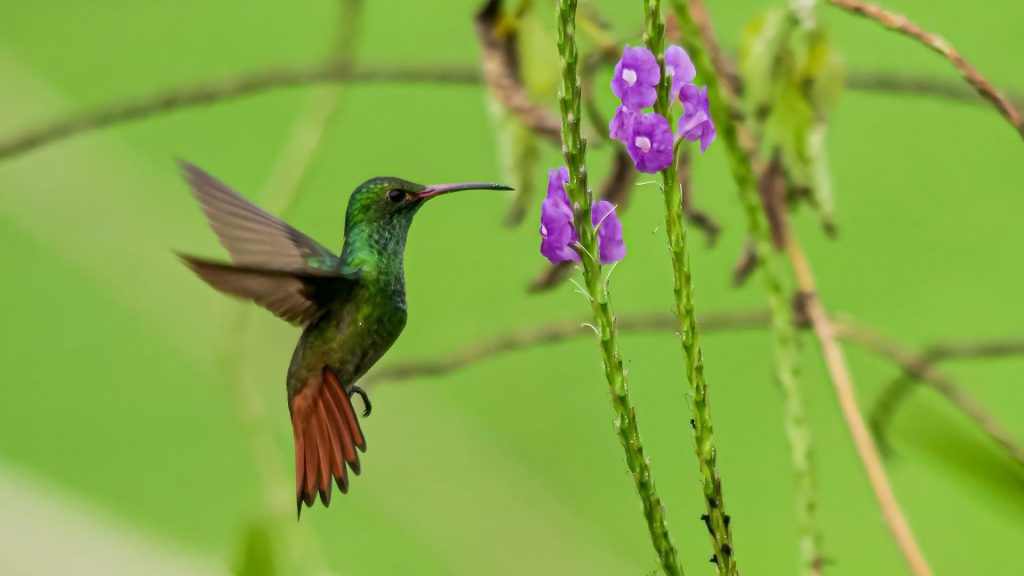
Rufous Hummingbird (Western US)
Rufous Hummingbirds have the longest migration of any hummingbird species — over 3,000 miles from Alaska to Mexico.
- Timing: Rufous begin moving south as early as late June.
- Mountain route: They follow the Rocky Mountains south, feeding on wildflowers at high elevations.
- Arrival in winter range: Most Rufous reach Mexico by September or October.
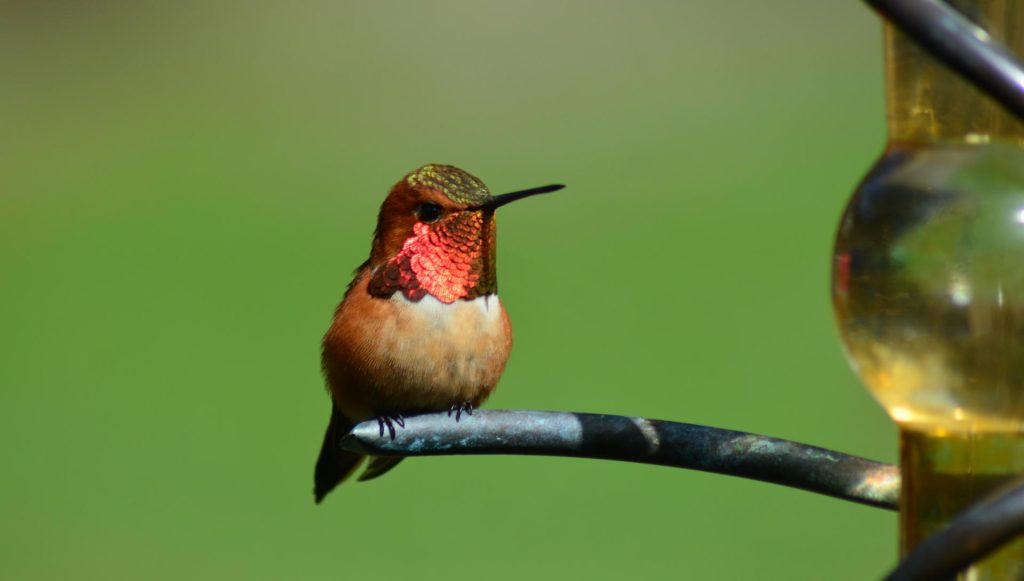
Black-Chinned Hummingbird (Western US)
- Timing: Begin migration in August, peak in September.
- Range: Western states, from British Columbia to Mexico.
- Behavior: Often the last hummingbird species to leave an area, lingering into October along the Pacific Coast.
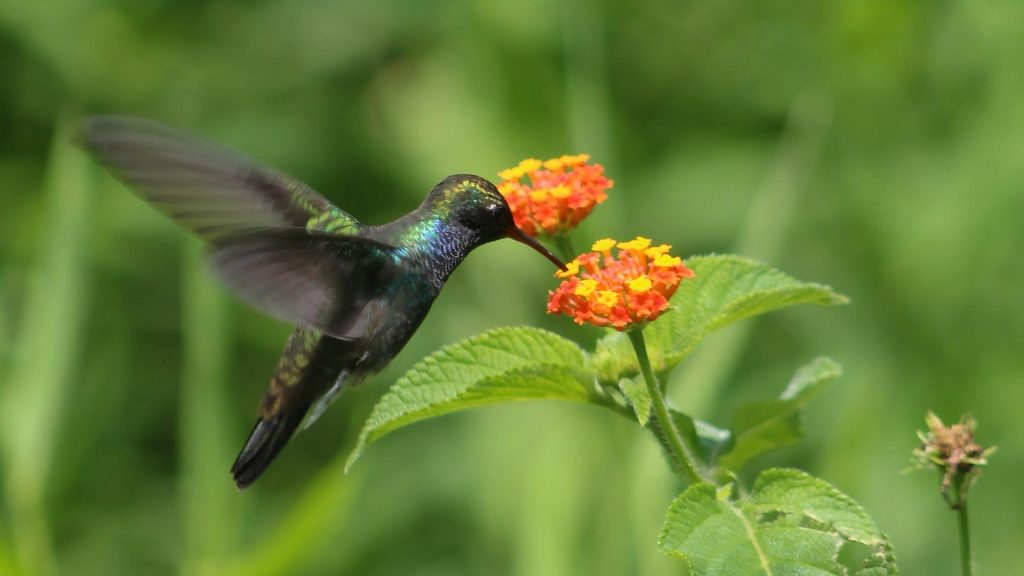
Anna’s Hummingbird (Pacific Coast)
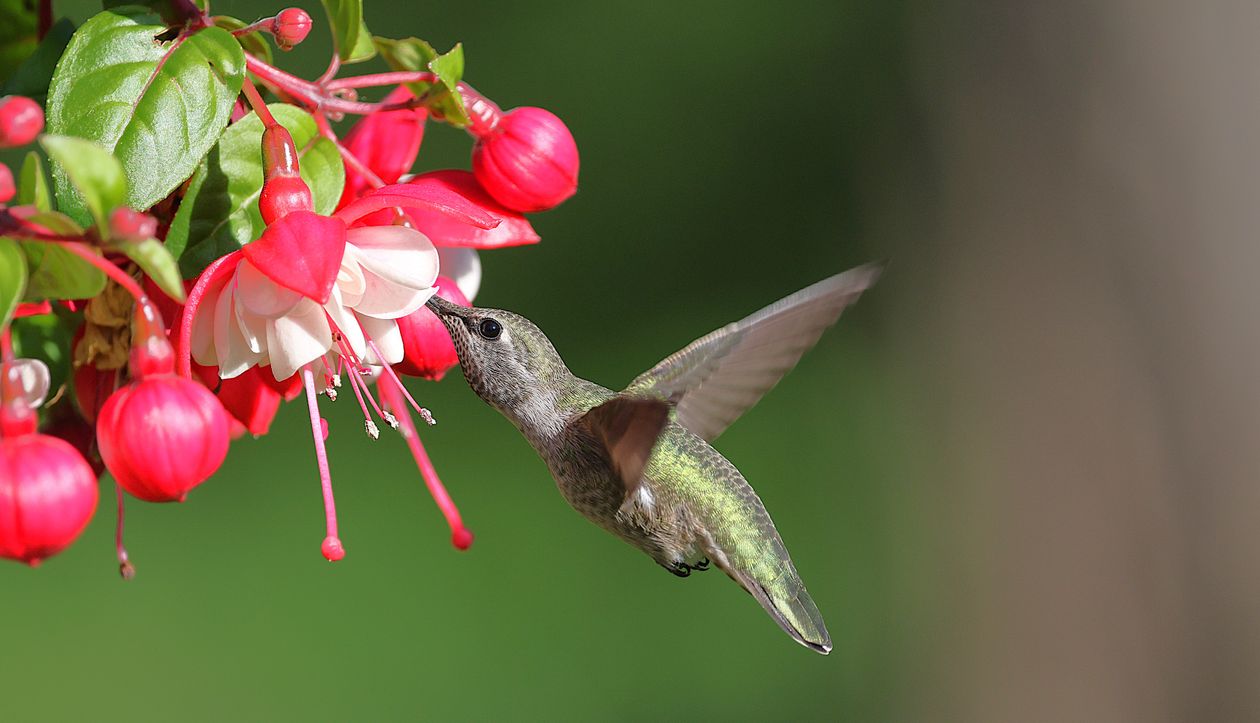
Anna’s Hummingbirds are year-round residents along the Pacific Coast from British Columbia to California. They do not migrate in the traditional sense but may move to lower elevations in winter.
- Feeder strategy: Keep feeders up year-round on the West Coast for Anna’s and other resident species.
- Dependency: Anna’s rely heavily on feeders during winter months when natural nectar is scarce.
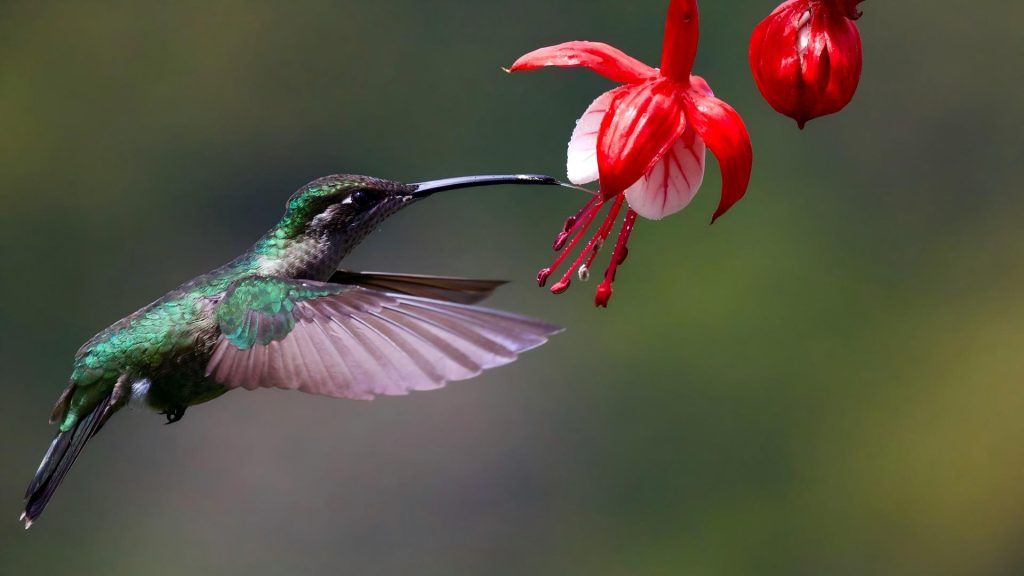
Calliope and Broad-Tailed Hummingbirds (Mountain West)
These high-elevation species begin their southward movement in August, descending from mountain meadows to lower elevations before continuing to Mexico.
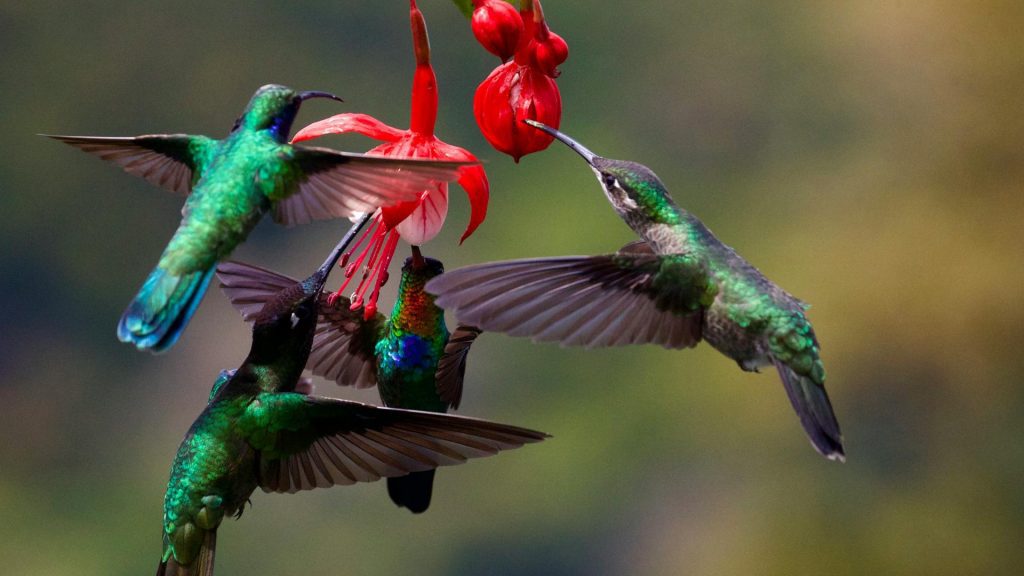
How to Help Hummingbirds Prepare for Migration
Your feeder plays a critical role in migration success. Here is what you can do.
Maintain Clean Nectar Feeders
During migration, hummingbirds visit hundreds of feeders per day. A single dirty feeder can spread disease through a migrating population. Follow these rules:
- Clean feeders every 2-3 days in warm weather (80°F+).
- Use a 4:1 sugar-to-water ratio — no red dye needed.
- Replace nectar before it turns cloudy — clear nectar is fresh nectar.
- Rinse with hot water between refills — soap residue can harm hummingbirds.
For detailed cleaning instructions, see our bird feeder cleaning guide.
Increase Nectar Volume
During peak migration (August-September in most areas), expect to refill your feeders daily. Consider adding an extra feeder to handle the increased traffic. Hummingbirds are territorial, and multiple feeders reduce conflicts.
Provide Natural Food Sources
Supplement your feeders with hummingbird-friendly flowers that bloom through late summer and early fall:
- Trumpet creeper (Campsis radicans) — Late summer bloom
- Cardinal flower (Lobelia cardinalis) — Scarlet flowers attract hummingbirds
- Salvia varieties — Many bloom through October
- Bee balm (Monarda) — Hummingbird favorite
- Petunias and fuchsia — Window box options
Offer Water and Shelter
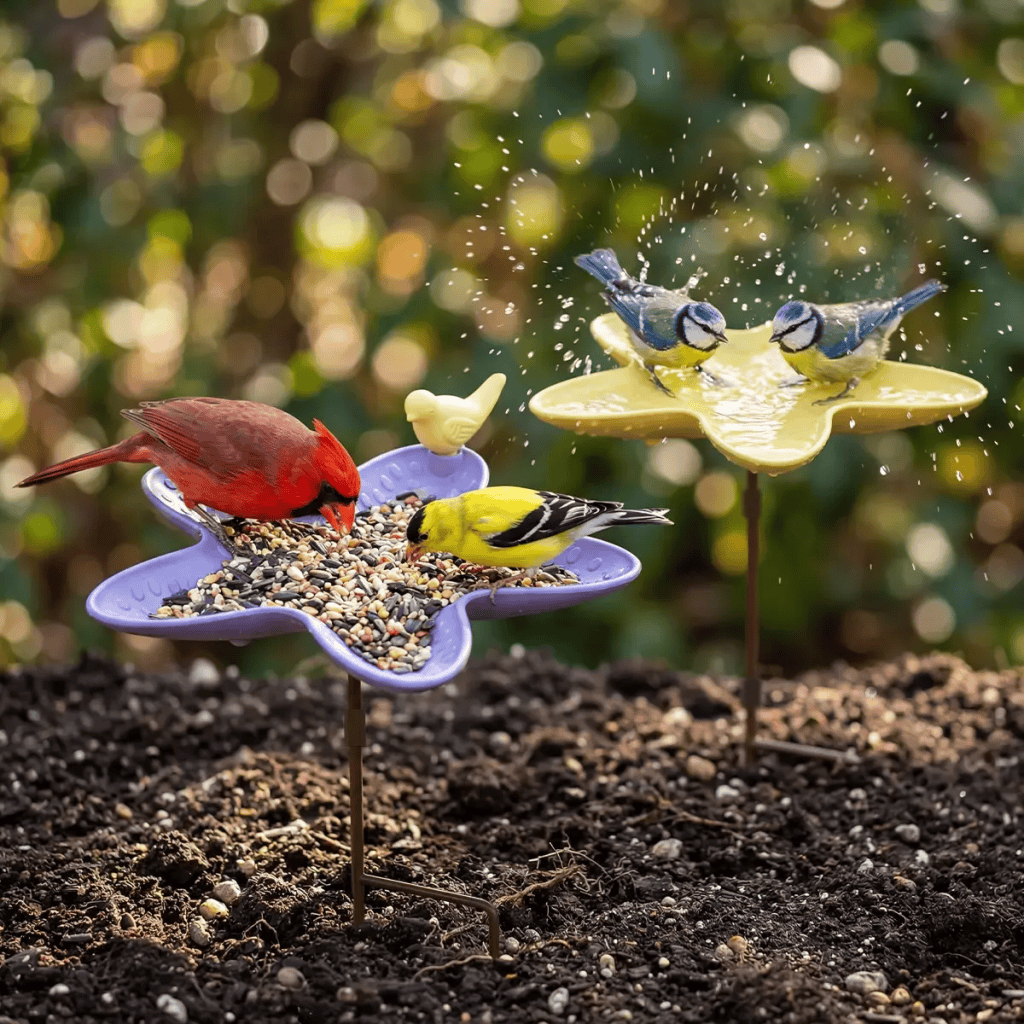
Migrating hummingbirds need water for bathing and drinking. A bird bath with a mister or dripper is highly attractive to hummingbirds, which prefer fine mist over standing water for bathing.
Also ensure your yard provides trees and shrubs where hummingbirds can rest and take cover between feeding sessions.
The Myth: “Keep Feeders Up or Hummingbirds Won’t Migrate”
This is one of the most persistent myths in backyard birding. Some people believe that leaving feeders up in late summer will trick hummingbirds into staying through winter.
The truth: Hummingbird migration is triggered by daylight length (photoperiod) and internal biological rhythms, not food availability. Leaving your feeders up will not delay migration. In fact, it helps late migrants by providing essential fuel, as detailed in our summer hummingbird care guide.
The Cornell Lab of Ornithology confirms: there is no evidence that hummingbirds delay migration because of feeders. Leave your feeders up as long as hummingbirds are visiting them.
When Should You Take Down Feeders?
The simple rule: Keep feeders up until you have not seen a hummingbird for 2-3 weeks. This ensures you support the last stragglers, including young birds hatched late in the season.
In most of the US, this means:
- Northern states: Feeders can come down in late September to early October.
- Southern states: Keep feeders up through October or even November.
- Pacific Coast: Keep feeders up year-round for resident Anna’s Hummingbirds.
When you do take them down, clean them thoroughly and store in a cool, dry place until spring.
What Happens During the Gulf Crossing?
For Ruby-throated Hummingbirds, the Gulf of Mexico crossing is the most dramatic part of the journey. Here is what happens.
Pre-Flight Preparation
Before crossing, hummingbirds feed intensively along the Gulf Coast, consuming nectar and small insects. They can double their body weight in a week. This fat is their only fuel for the 18-22 hour flight.
The Crossing
Hummingbirds wait for favorable weather conditions — calm winds, no rain forecasts. They typically depart in the late afternoon or evening, flying at altitudes of 500-1,000 feet over the Gulf. The flight is nonstop, with no rest or feeding opportunities.
Arrival
After crossing the Gulf, they land on the Yucatan Peninsula or the Central American coast, exhausted and significantly lighter. They spend 1-2 weeks recovering and feeding before continuing their journey to wintering grounds in Mexico and Central America.
How You Can Help
If you live along the Gulf Coast (Texas, Louisiana, Mississippi, Alabama, Florida), your feeders are the last stop before this critical crossing. Keeping nectar feeders full and clean during August and September can make the difference between a successful crossing and a failed one. Consider adding an extra hummingbird feeder during peak migration season.
Common Fall Migration Mistakes
Mistake 1: Taking Feeders Down Too Early
This is the most common mistake. Many birders assume that once August arrives, hummingbirds are gone. But in many areas, the heaviest migration traffic occurs in September. Early males leave first; females and juveniles follow weeks later.
Fix: Watch your feeder. If you see any hummingbird activity at all, keep the feeder up.
Mistake 2: Stopping Cleaning During Migration
With increased feeder traffic, some people assume the nectar gets consumed too quickly to spoil. The opposite is true. In hot late-summer weather, nectar can ferment in 24-48 hours, even in a busy feeder. Continue your 2-3 day cleaning schedule through the end of migration.
Mistake 3: Switching to Diluted Nectar
Some people dilute their nectar in late summer, thinking hummingbirds need less sugar when natural flowers are abundant. But migrating hummingbirds need maximum energy density. Always use the standard 4:1 ratio (4 parts water to 1 part sugar). Kingsyard’s nectar bird feeders are designed for easy filling and cleaning, making it simple to maintain fresh nectar throughout migration.
Mistake 4: Ignoring Ant Problems
Ants are most active in late summer and will swarm nectar feeders. An ant moat is essential during migration. Without one, ants can contaminate nectar and drive hummingbirds away.
Mistake 5: Not Having Enough Feeders
During peak migration, a single feeder may not be enough to support the volume of hummingbirds passing through. Territorial males will chase others away from a single feeder. Adding 2-3 feeders spread around your yard reduces conflicts and supports more birds. For a complete overview of hummingbird feeding strategies, see our guide to attracting hummingbirds.
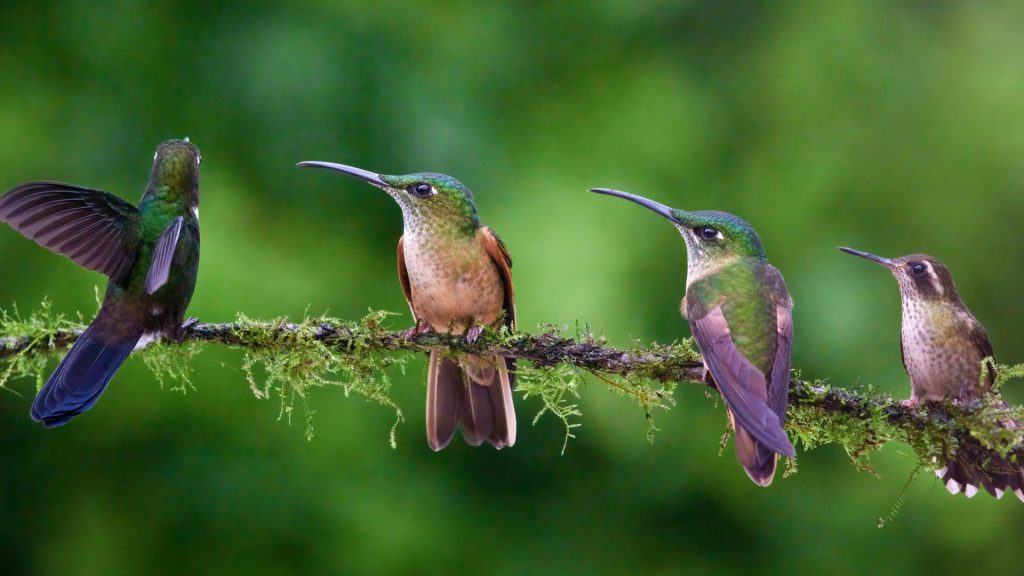
Kingsyard’s full line of bird feeders includes multiple hummingbird feeder designs, allowing you to create a well-stocked migration station.
Frequently Asked Questions About Hummingbird Fall Migration
When do hummingbirds leave for migration?
It varies by species and region. Ruby-throated Hummingbirds in the northern US begin leaving in late July through August. In the southern US, they depart in September through early October. Males leave 1-2 weeks before females and juveniles.
When should I stop feeding hummingbirds in the fall?
Keep feeders up until 2-3 weeks after you see your last hummingbird. In most areas, this means late September to mid-October. Leaving feeders up will not prevent migration — it will help late migrants fuel their journey.
Do hummingbirds come back to the same feeders every year?
Yes. Hummingbirds have excellent spatial memory and often return to the same feeding locations year after year. Banding studies have documented individual hummingbirds returning to the same yard for 5-7 consecutive years.
How long does it take a hummingbird to fly across the Gulf of Mexico?
The nonstop flight takes 18-22 hours, covering approximately 500 miles. Hummingbirds cannot land on water, so they must complete the journey in a single flight.
Can I use red food coloring in nectar for fall migration?
No. Red dye is unnecessary and potentially harmful to hummingbirds. The red parts of your feeder are sufficient to attract them. Use plain white sugar dissolved in water at a 4:1 ratio.
Do hummingbirds migrate in flocks?
No. Hummingbirds are solitary migrants — each bird navigates independently using an innate sense of direction. They do not follow parents or travel in groups. Their migration instinct is hardwired from birth.
What happens if a hummingbird stays too late?
Late-staying hummingbirds face serious risks. Cold temperatures can freeze nectar, and insect food sources disappear. In most cases, these birds do not survive. If you see a hummingbird at your feeder after October in a northern state, contact a local wildlife rehabilitator for guidance.
Conclusion: Keep Feeding for Fall Migration
Hummingbird fall migration is one of nature’s most extraordinary spectacles. By keeping your feeders clean, full, and accessible through the end of migration, you play a direct role in helping these tiny birds complete their remarkable journey.
Here are your three key takeaways:
- Keep feeders up until 2-3 weeks after you see your last hummingbird. This supports late migrants and does not disrupt natural migration timing.
- Clean feeders every 2-3 days during migration. Increased traffic means increased disease risk.
- Add extra feeders during peak migration. Multiple feeders reduce territorial conflicts and support more birds.
Whether you are preparing for fall migration or planning next year’s spring setup, Kingsyard has everything you need. Browse our hummingbird feeder collection for feeders designed to support hummingbirds through every season.