August Bird Feeding Guide: What to Feed Birds in Late Summer
By August, most backyard birders have settled into a routine. Feeders are up. Hummingbirds are visiting. Sunflowers are blooming. Everything seems fine.
But August is not just another summer month, it is the pivot point between peak summer activity and the early stirrings of fall migration. Birds that look healthy now may be molting, packing on calories for a long journey, or teaching recently fledged juveniles where to find reliable food. Your feeder is doing more work than you think.
The challenge: late-summer heat, humidity, and unpredictable rain patterns change what birds need and how fast food spoils. A feeder routine that worked in June can be genuinely dangerous by mid-August.
Here’s what to feed birds in August, what to avoid, and how to keep your backyard feeding station safe and effective through the hottest stretch of the year.
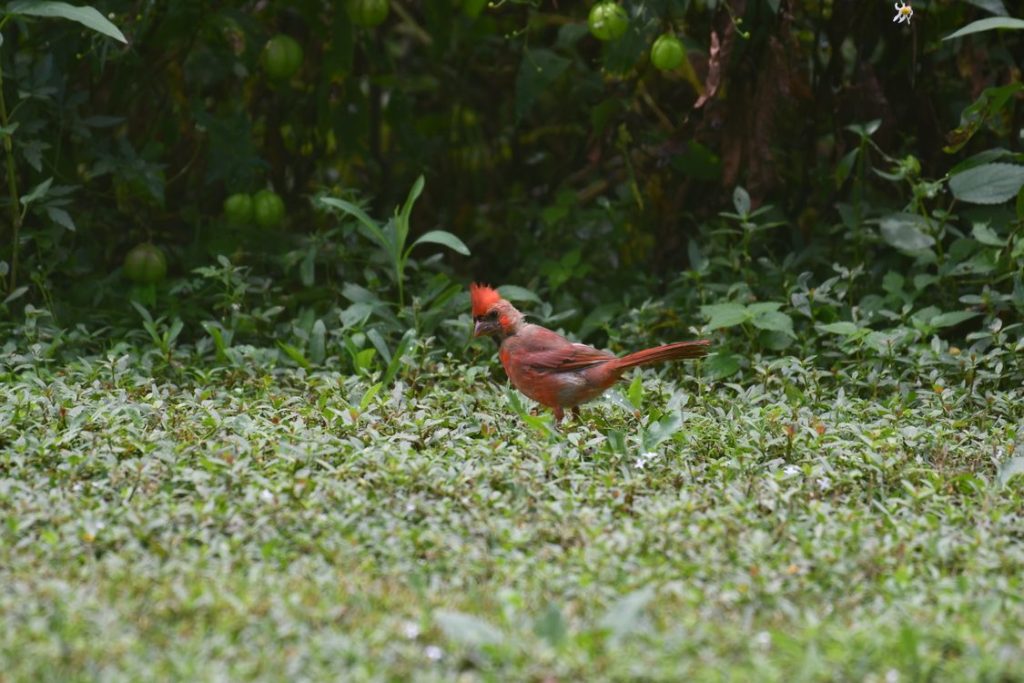
Why August Bird Feeding Is Different From Early Summer
August sits at a strange intersection in the birding calendar. Early summer is about abundance — peak nesting, peak insect activity, peak natural food supply. By late August, the equation starts to shift.
What changes in August:
- Molting season. Many adult birds are replacing worn feathers. Molting is energy-intensive. Birds need calorie-dense, easily accessible food — and they may look scruffy, patchy, or even sick (they’re not; they’re just growing new feathers).
- Juvenile birds at feeders. Fledglings from second and even third broods are now independent. They’re inexperienced, clumsy at feeders, and more vulnerable to disease from dirty feeding stations.
- Natural food fluctuations. Insect populations begin to decline in some regions. Berry crops are spotty depending on rainfall. Feeders become a more important supplement than they were in June.
- Early migrants passing through. Some shorebirds and warblers begin southward movement in August. While most don’t visit seed feeders, the principle matters: the backyard ecosystem is in transition.
- Heat and humidity peak. Across most of the U.S., August brings the highest sustained temperatures of the year. This accelerates food spoilage faster than any other month.
According to the Cornell Lab of Ornithology, the quality and freshness of supplemental food matters as much as the type — especially during temperature extremes. A feeder full of stale or moldy seed is worse than no feeder at all.
What Birds Need Most in August
Backyard birds in August have three core nutritional needs that differ from earlier in summer:
1. High-energy foods for molting and migration prep
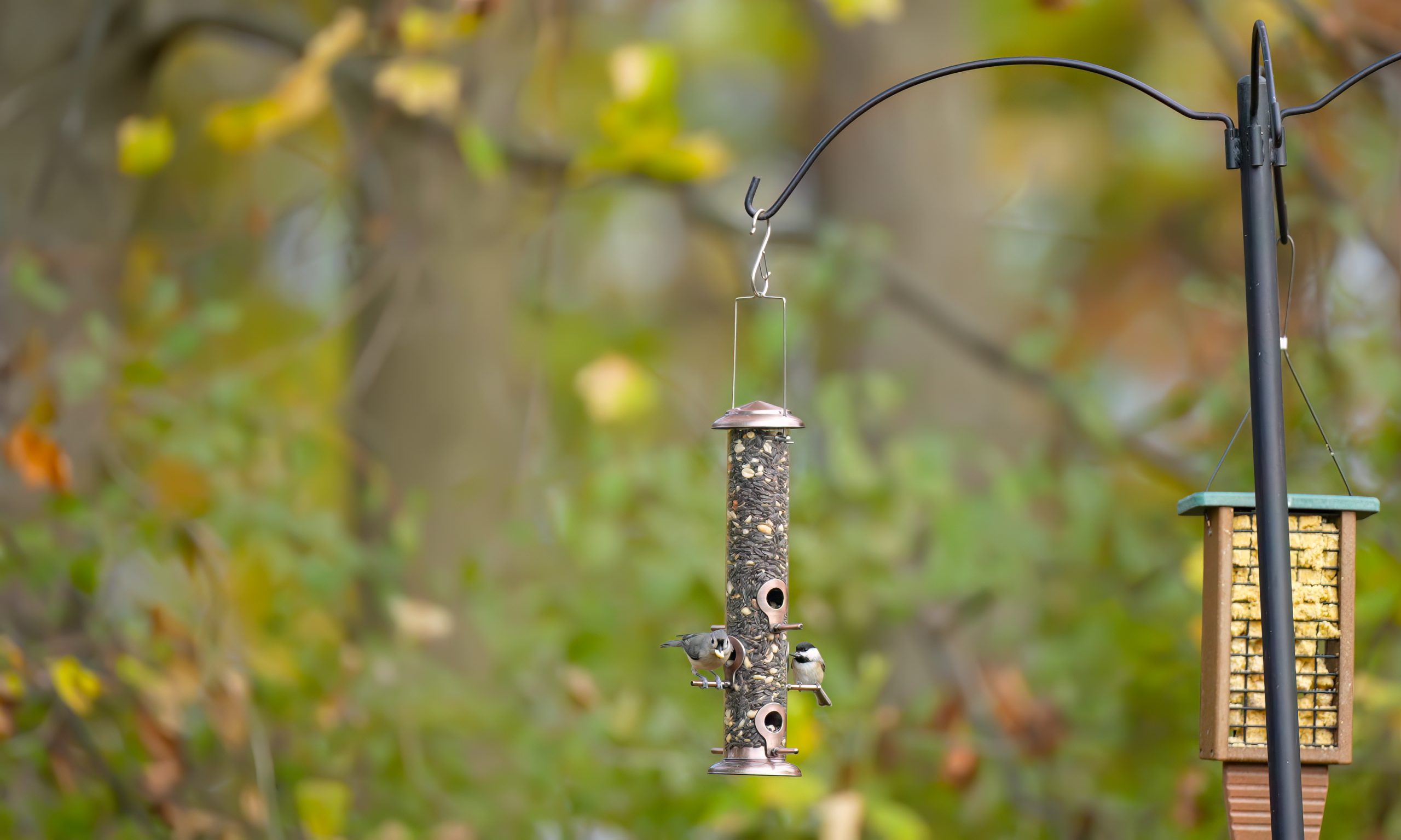
Fat and protein matter more now than in spring. Black oil sunflower seeds, suet (in cooler regions or shaded feeders), and mealworms all provide concentrated energy. Birds building new flight feathers or storing fat for migration benefit from calorie-dense options.
2. Clean, fresh water
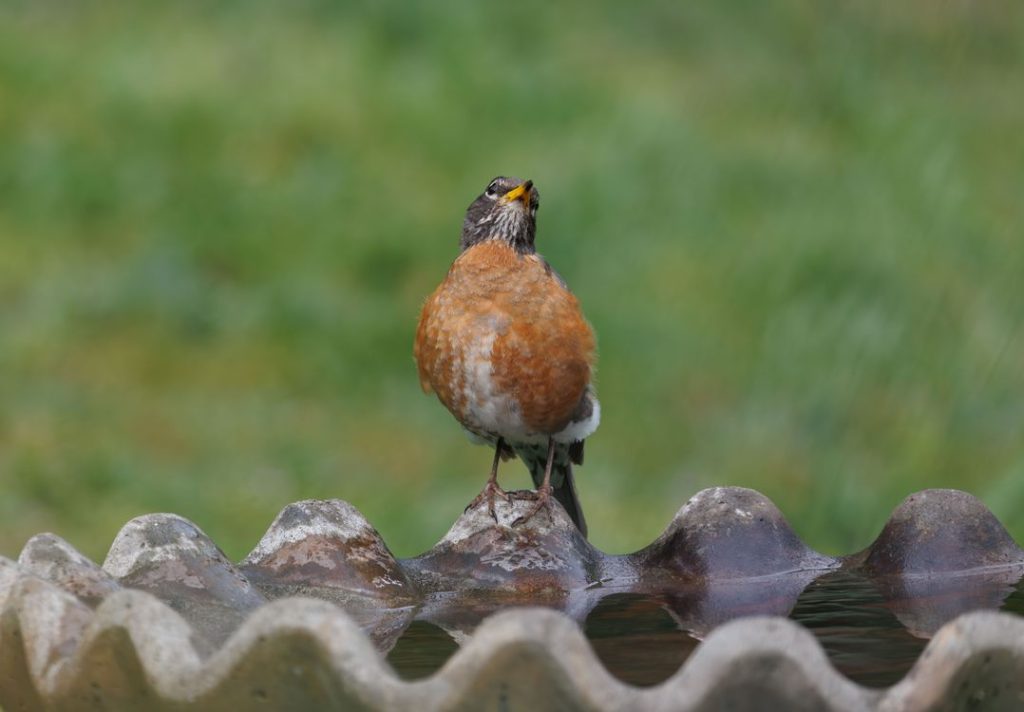
Water is arguably more important than food in August. Birds need it for drinking, thermoregulation, and bathing to maintain feather condition during molt. A shallow bird bath with fresh water changed every 2–3 days will attract more species to your yard than almost any feeder.
3. Safe, uncontaminated food
A sick bird at your feeder can infect dozens of others in a single day. August’s heat makes food safety the single most important factor in late-summer bird feeding. Fresh seed, clean nectar, and regularly scrubbed feeders are non-negotiable.
Best Foods to Offer Backyard Birds in Late Summer
Here’s a practical list of what to put out in August, organized by food type:
Seeds
| Seed Type | Best For | August Notes |
|---|---|---|
| Black oil sunflower | Cardinals, chickadees, nuthatches, titmice | High fat content supports molting. Buy smaller bags — seed spoils faster in heat. |
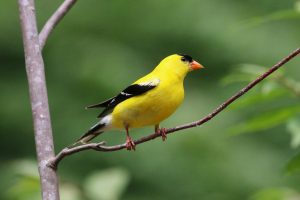
| Nyjer (thistle) | Goldfinches, pine siskins | Goldfinches are nesting later than most species; nyjer demand peaks in August. Keep nyjer dry — it molds quickly in humidity. |
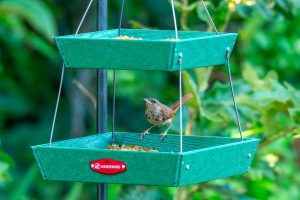
| White millet | Sparrows, juncos, doves | Best offered in ground or platform feeders with good drainage. |
| Safflower | Cardinals, grosbeaks | Resists squirrels and stays fresh longer than sunflower in high humidity. |
Nectar
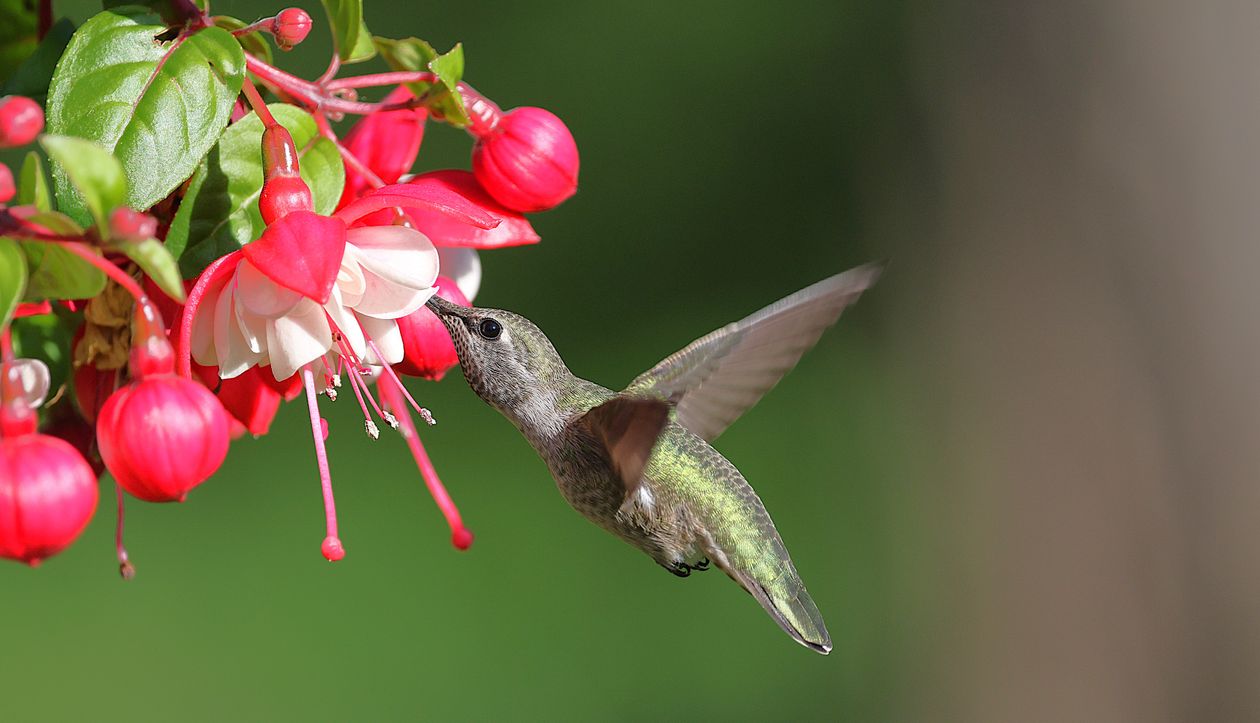
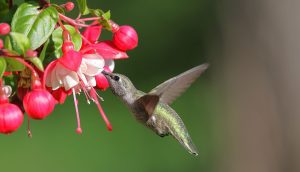
Hummingbird nectar (1:4 sugar-to-water ratio) remains essential in August. Many hummingbirds — especially in the Midwest and Northeast — are actively building fat reserves for fall migration. Change nectar every 1–2 days in temperatures above 80°F. If it looks cloudy, smells sour, or has bubbles, dump it immediately and refill with fresh solution.
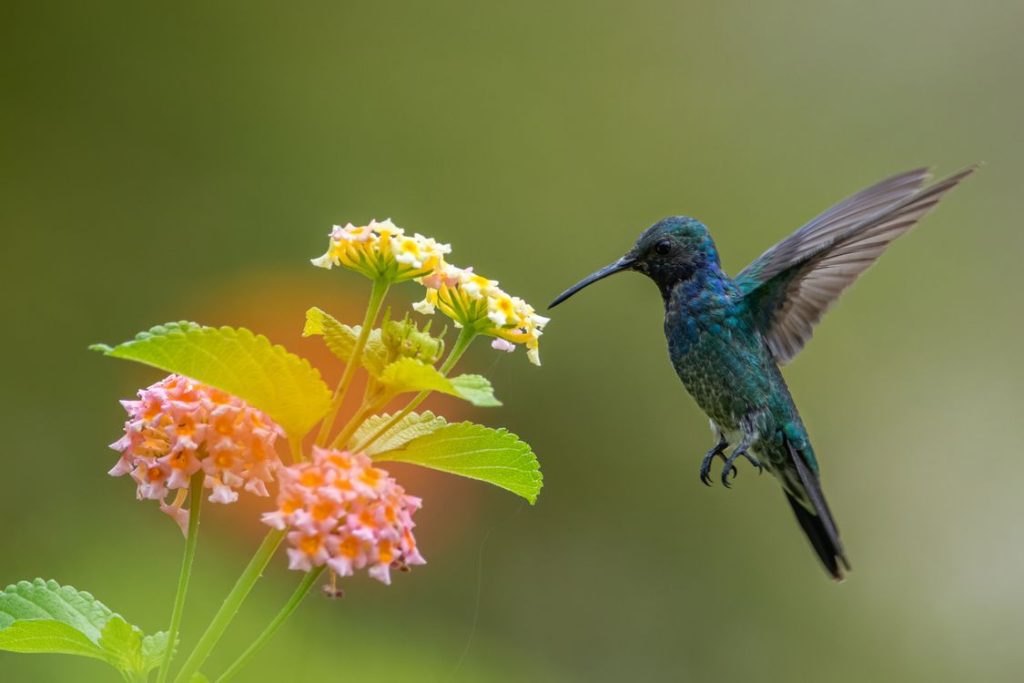
For detailed nectar recipes and cleaning tips, see our summer hummingbird care guide.
Suet
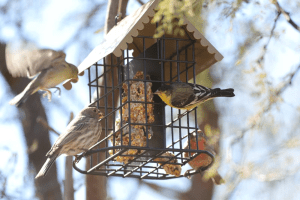
Suet in August? In cooler climates or shaded placements, yes — but with caution. Use no-melt suet blends formulated for summer. Standard suet cakes will liquefy in direct sun above 80°F. Woodpeckers, nuthatches, and wrens all eat suet year-round. Place suet feeders on the north or east side of a structure to avoid afternoon sun.
Fruits
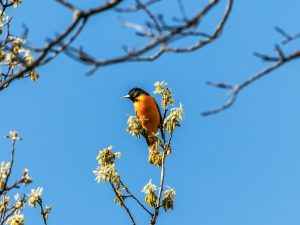
Orioles, catbirds, tanagers, and mockingbirds eat fruit readily in August. Offer halved oranges, grape jelly (in small amounts), or overripe bananas on a platform feeder. Replace every 1–2 days — fruit ferments and attracts wasps quickly in heat.
Foods to Limit or Avoid in Hot Weather
Not everything belongs in an August feeder:
- Bread and processed human food. These offer zero nutritional value to birds and mold rapidly in heat. Never offer bread, crackers, or chips.
- Whole peanuts in shell. They stay fresh, but the shells trap moisture in high humidity. Offer shelled peanuts instead, or use mesh feeders that allow airflow.
- Large quantities of any single food. Don’t fill feeders to the top. In August heat, small portions eaten in 2–3 days are far safer than a full feeder sitting for a week.
- Spoiled or old seed. If your stored seed smells musty, has visible insects, or feels damp — throw it out. A 20-lb bag that’s been sitting in a humid garage since June may already be compromised.
Quick reference: What NOT to feed birds
| Food | Why to Avoid in August |
|---|---|
| Bread, crackers, chips | No nutrition; molds within hours in heat |
| Honey in nectar | Promotes dangerous bacterial growth |
| Brown sugar in nectar | Iron content is toxic to hummingbirds in concentration |
| Red dye in nectar | Unnecessary; potentially harmful |
| Moldy or musty seed | Causes aspergillosis — often fatal in finches |
| Salted or flavored nuts | Sodium is toxic to birds |
How Often to Clean Feeders in August
Cleaning frequency is the single biggest change most backyard birders need to make for late summer.
In winter: cleaning every 2–3 weeks is generally acceptable.
In August: clean at minimum once per week for seed feeders, and every 1–2 days for nectar feeders.
The 3 summer-specific feeder problems: fermented nectar, moldy seed, and ant invasions, all peak in August. The full cleaning process for every feeder type is detailed in our bird feeder cleaning guide, but here’s the August minimum:
| Task | Frequency | Method |
|---|---|---|
| Nectar refill | Every 1–2 days | Dump old nectar, rinse bottle, refill with fresh 1:4 solution |
| Seed feeder check | Every 2–3 days | Discard damp or clumped seed; top up with small amounts |
| Full feeder scrub | Weekly | Disassemble → hot water + white vinegar → scrub → air dry completely |
| Deep sanitize | Monthly | 1:9 bleach-water soak → rinse 3x → air dry |
| Bird bath water change | Every 2–3 days | Dump, scrub with stiff brush, refill with clean water |
A simple freshness test: Grab a small handful of seed from your feeder and squeeze it. If it feels damp, warm, or leaves residue on your hand, it’s starting to spoil. Empty the entire feeder, clean it, and refill with fresh seed.
Where to Place Feeders During Late-Summer Heat
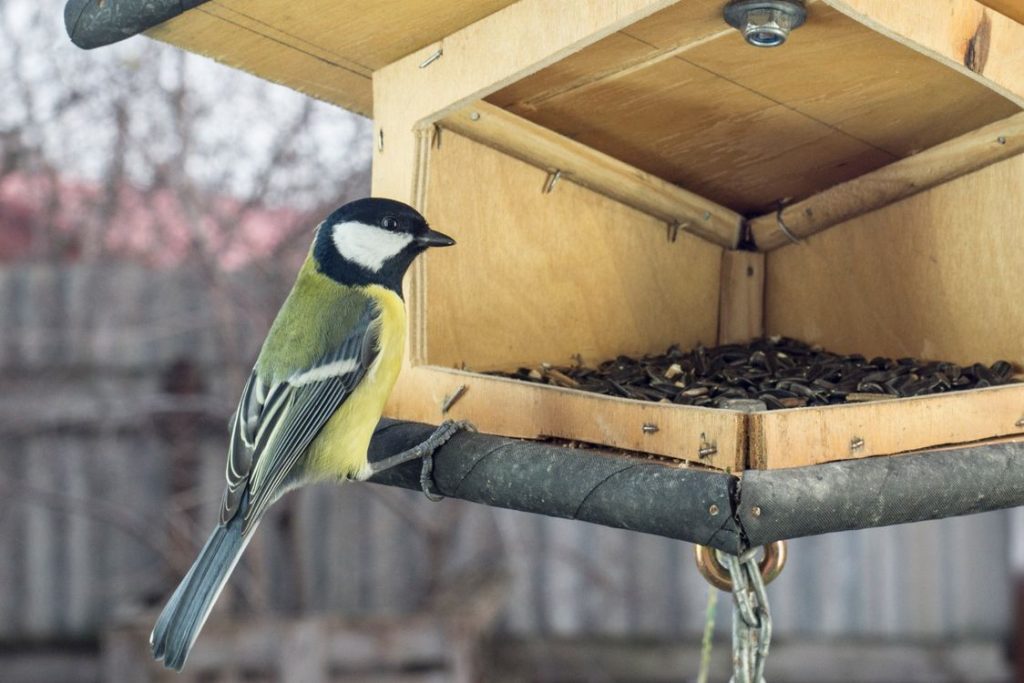
Feeder placement in August should prioritize food safety and bird comfort:
- Full shade. Direct sun accelerates nectar fermentation by 2–3x and seed spoilage by 3–4 days. Moving feeders to shade — under a tree canopy, on the north side of a structure, or under an overhang — is the single most effective August change you can make.
- Good airflow. A feeder trapped in a hot, enclosed corner (between a fence and a wall, for example) stays hotter than one with open air on at least two sides.
- Away from ant trails. If you see ants on your feeder pole or hanging wire, consider an ant moat or move the feeder 3–4 feet to break the pheromone trail.
- Near water. A bird bath within 10–15 feet of the feeder increases visit duration and species diversity. Birds eat, drink, and bathe in a single visit.
For a complete placement strategy that works across all seasons, see our bird feeder setup & placement guide.
August Feeding Checklist
Use this quick checklist to audit your late-summer feeding station:
- Seed feeders are in full shade, not direct sun
- Nectar feeders are cleaned and refilled every 1–2 days
- No mold, clumping, or musty smell in any feeder
- Ant moat is installed and filled with water
- Bird bath water is fresh (changed every 2–3 days)
- Stored seed is in a sealed, cool, dry container
- Fruits on platform feeders are replaced before they ferment
- Feeder hardware (hooks, poles, baffles) is stable and not rusted
FAQ
What should I feed birds in August?
Black oil sunflower seeds, nyjer, safflower, and fresh hummingbird nectar (1:4 sugar to water) are the best choices for August. High-fat seeds support molting birds, while nectar feeds hummingbirds building fat for fall migration. Always prioritize freshness — small amounts eaten quickly are safer than large amounts sitting in the heat.
Do birds need feeders in August?
Yes. Although birds find more natural food in summer than winter, August brings unique pressures: molting demands extra energy, juvenile birds are exploring new food sources, and some early migrants pass through. A clean, well-maintained feeder supplements natural food without creating dependency.
How often should I change hummingbird nectar in August?
Every 1–2 days when temperatures exceed 80°F. Nectar ferments in under 24 hours in direct sun at 85°F+. If the nectar looks cloudy, has bubbles, or smells sour, replace it immediately. In cooler shaded conditions, every 2–3 days is acceptable.
Is it OK to stop feeding birds in summer?
You can pause feeding, but a well-maintained feeder in August provides real value — especially during molting and early migration prep. The risk is not summer feeding itself; it’s summer feeding done carelessly. Dirty feeders and spoiled food are dangerous. Clean feeders with fresh food are beneficial.
What birds visit feeders in August?
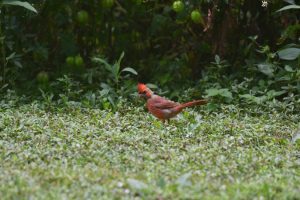
August feeder visitors vary by region but commonly include cardinals, chickadees, titmice, nuthatches, woodpeckers, goldfinches (peak nyjer demand), house finches, mourning doves, blue jays, and hummingbirds. Orioles and tanagers may visit fruit feeders. Juvenile birds of all species are active and learning feeder locations.
Should I put out suet in August?
Yes, but use no-melt suet blends and place the feeder in full shade. Standard suet cakes liquefy above 80°F and can go rancid. Woodpeckers and nuthatches eat suet year-round. In hot southern climates, suet dough or bark butter may work better than traditional suet cakes.
When should I start preparing feeders for fall migration?
Late August is the ideal time to start. Clean all feeders thoroughly, check hardware, replace worn parts, and begin transitioning to a wider variety of seeds and feeder types. Our fall migration feeder prep guide covers the complete setup process.
Keep August Feeding Simple and Safe
Three things matter most in late-summer bird feeding:
- Freshness over quantity. Small amounts of clean, fresh food beat a full feeder of stale seed every time.
- Shade is your best tool. It extends the life of every food type and keeps birds comfortable during their visit.
- Clean before you refill. Every single time. August’s heat and humidity make this non-negotiable.
Late summer is a beautiful time to watch your backyard birds — molting goldfinches, curious juveniles, hummingbirds fueling up for migration. The feeding station you maintain now sets the stage for an even busier fall.
Browse Kingsyard bird feeders and bird baths built for easy cleaning and reliable backyard feeding — designed to keep your birds safe through every season.