Backyard Birding with Kids: A Thanksgiving Weekend Nature Activity Guide
Thanksgiving weekend is one of the few times all year when the whole family is together with nowhere to rush off to. The cousins are playing, the adults are recovering from dinner, and someone inevitably says, “What should we do now?”
Here’s an answer nobody expects: go watch birds.
You don’t need binoculars. You don’t need a field guide. You don’t need to know the difference between a sparrow and a finch. You just need a window, a few minutes, and a willingness to pay attention. Backyard birding is one of the most accessible outdoor activities for families — it works for toddlers, teenagers, grandparents, and everyone in between.
According to the Cornell Lab of Ornithology, bird watching is the fastest-growing outdoor hobby in America, with participation up 30% since 2020. And the best part? You can start right now, in your own backyard, with whatever you already have at home.
Why Birding Is Perfect for Kids
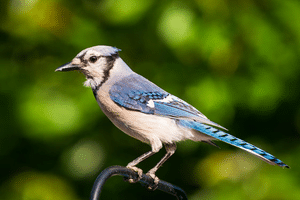
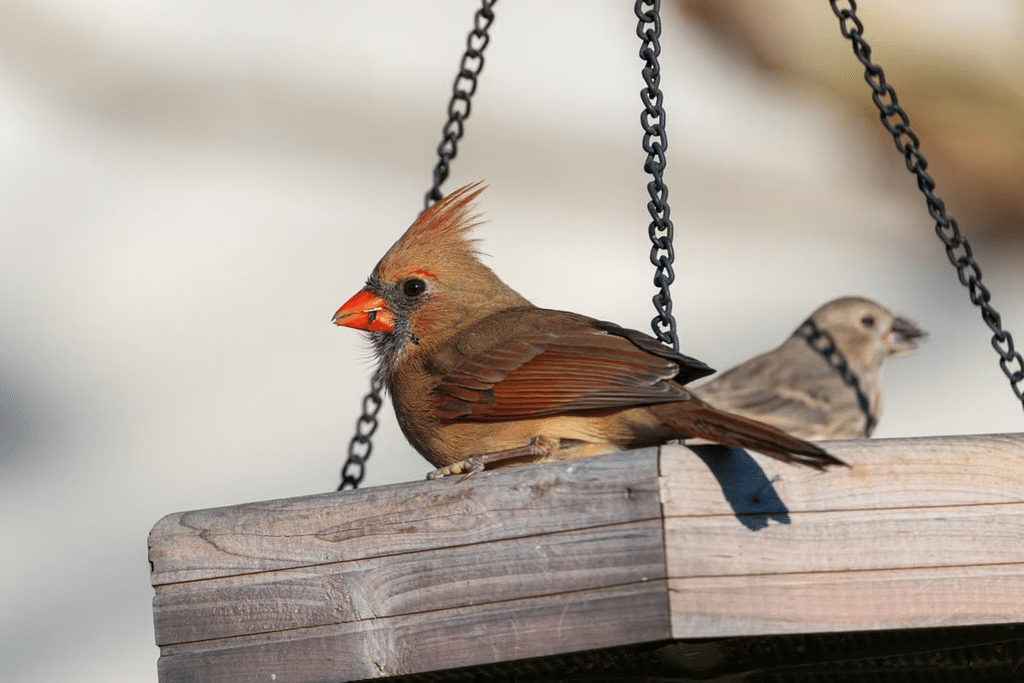
Most nature activities require gear, travel, or expertise. Birding requires none of those. A backyard feeder turns your window into a live nature documentary, and kids are naturally drawn to it — the colors, the movement, the drama of a blue jay chasing off a cardinal.
Birding also teaches skills that screens can’t: patience (waiting for a new species to appear), observation (noticing the difference between a downy and a hairy woodpecker), and pattern recognition (learning which birds come at which times of day). A 2019 study published in Scientific Reports found that spending time in nature — even just 20 minutes — measurably reduces cortisol levels in children.
For families who are new to bird feeding, our backyard birding basics guide covers how to set up your first feeding station.
Getting Started: What You Need
You can start birding with zero equipment. But if you want to maximize your Thanksgiving weekend experience, here’s a simple setup:
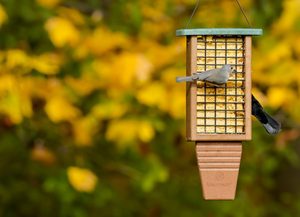
A window feeder or platform feeder. If you already have one, great. If not, a platform feeder is the most versatile option — it attracts the widest variety of species because birds of all sizes can use it. Place it where the family can see it from the kitchen or living room window.
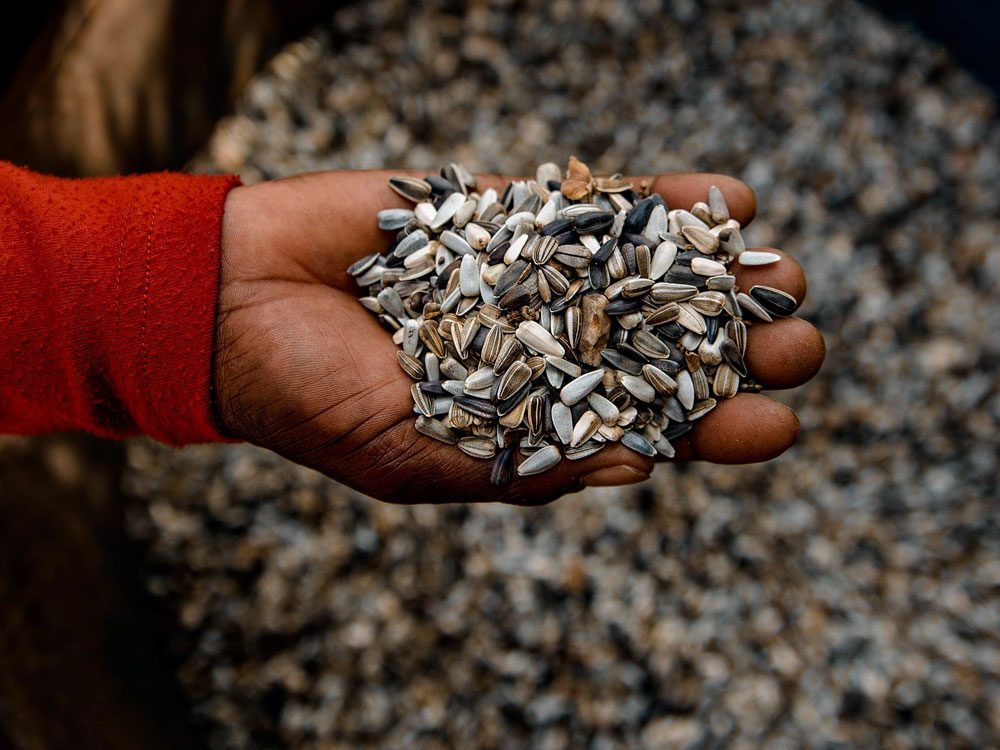
Black oil sunflower seed. This single seed type attracts more species than any other: cardinals, chickadees, finches, nuthatches, jays, and sparrows all eat it. Avoid cheap seed mixes heavy in filler grains — most birds ignore them.
A notebook and pencil. For each kid (and adult). This becomes their “bird journal” — more on that below.
Optional: binoculars. If someone in the family has a pair, great. If not, a window feeder brings birds close enough to see without them.
5 Thanksgiving Weekend Birding Activities
1. The Backyard Bird Count
Age range: All ages
Set a timer for 15 minutes. Everyone sits by the window with their notebook. Count every bird you see — not just at the feeder, but in the yard, on the fence, flying overhead. Write down what you see, even if you can’t identify the species (“small brown bird, white belly”).
At the end of 15 minutes, compare lists. Who saw the most birds? Who saw the most species? Did anyone spot something unusual?
This activity teaches kids to observe carefully rather than glance casually. You’ll be surprised how many species appear when you actually pay attention.
2. Bird Bingo
Age range: 3–10
Before the weekend, create a simple bingo card with bird-related items:
- A bird on the feeder
- A bird on the ground
- A bird flying
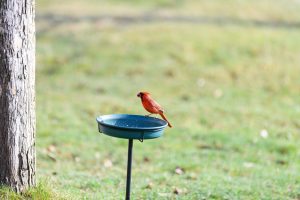
- A red bird
- A blue bird
- A bird eating
- Two birds at once
- A bird you don’t recognize
- A bird singing
- A squirrel (the eternal nemesis)
Kids check off items as they spot them. First to get five in a row wins. For younger kids, use pictures instead of words. You can make this as simple or elaborate as you want — the point is to keep kids engaged and looking.
3. DIY Bird Treats
Age range: 4+ (with adult help)
Making homemade bird treats is a hands-on Thanksgiving activity that kids love. The simplest version: spread peanut butter on a pine cone, roll it in birdseed, tie a string through it, and hang it outside. Birds will find it within a day.
For a more involved project, try making suet cakes or seed cakes using our complete DIY fall bird treats guide. The guide includes recipes for no-melt suet (perfect for hanging outside), peanut butter seed cakes, and gelatin bird ornaments.
The best part: kids can check on their creations the next morning to see which birds discovered them overnight.
4. The “What Bird Is That?” Challenge
Age range: 6+
Pick a bird that’s visiting the feeder and challenge the family to identify it together. Use these clues:
- How big is it? Compare to a sparrow (small), robin (medium), or crow (large).
- What color is it? Red, blue, brown, gray, black-and-white?
- Where is it? On the feeder, on the ground, on a tree trunk?
- What’s it doing? Pecking seeds, hanging upside down, scratching the ground?
Then look it up together. The free Merlin Bird ID app from Cornell Lab lets you identify birds from a photo or by answering simple questions. It’s designed for beginners and works brilliantly with kids.
For a deeper dive into winter species identification, our winter bird ID guide covers 12 common backyard birds with field marks and behavior tips.
5. Start a Family Bird Journal
Age range: All ages
Give each family member a notebook (or a few sheets of paper stapled together). Every time they see a bird at the feeder, they write down:
- Date and time
- What the bird looked like
- What it was doing
- Their best guess at the species
Over Thanksgiving weekend, the journal fills up with observations. After the holiday, the family can keep it going — checking the feeder each morning and adding entries. By spring, they’ll have a record of every species that visited their yard.
This is the activity that turns casual birders into real birders. Once you start tracking what you see, you start noticing things you never noticed before.
Tips for Birding with Different Age Groups
Toddlers (2–4)
Keep it simple. Point at birds and name the colors. “Look, a red bird! Can you see the red bird?” Toddlers won’t identify species, but they’ll learn to notice birds — and that’s the whole point. A window feeder at their eye level is ideal.
Kids (5–8)
This is the sweet spot for bird bingo, DIY bird treats, and the “What Bird Is That?” challenge. Kids this age love collecting data and checking things off lists. Give them a bird journal and watch them fill it with drawings and observations.
Tweens and Teens (9–16)
Challenge them. “How many species can you identify this weekend?” Give them the Merlin app and let them be the family’s bird expert. Teens respond to autonomy — let them take the lead on identification and reporting.
Grandparents
Grandparents are often the family’s naturalists. Pair them with a grandchild for a bird walk around the yard. They’ll share stories about birds they remember from their own childhood, and the grandchild will learn that birding connects generations.
Making It a Thanksgiving Tradition
The beauty of backyard birding is that it doesn’t end when Thanksgiving does. The feeder stays up. The birds keep coming. And the family has a shared activity that works year-round.
Here’s how to turn a one-weekend activity into a lasting tradition:
- Keep the feeder filled. After Thanksgiving, commit to keeping seed in the feeder through winter. The birds will become regulars, and the family will start recognizing individuals.
- Track your species list. Keep a running family list on the refrigerator. Every new species gets written down with the date. By spring, you’ll have 15–25 species.
- Join a citizen science project. Project FeederWatch from Cornell Lab lets families report their backyard bird counts to real scientists. It’s free, it’s educational, and it makes kids feel like they’re contributing to something bigger.
- Plan a winter birding trip. Once the family is hooked, plan a day trip to a local nature center or wildlife refuge. Seeing birds in the wild — not just at a feeder — takes the hobby to a new level.
Frequently Asked Questions
At what age can kids start bird watching?
Kids can start noticing birds as toddlers (age 2–3). Formal bird identification — using a field guide or app — works well from age 5–6. The key is to match the activity to the child’s attention span. Toddlers do well with 5-minute sessions; school-age kids can sustain 15–30 minutes.
Do I need binoculars to bird watch with kids?
No. A window feeder brings birds close enough to see without binoculars — often within 3–5 feet. Binoculars are useful for spotting birds in trees or at a distance, but they’re not necessary for backyard birding. If you do want a pair, look for 8×42 magnification — they’re the standard for birding and work well for kids.
What birds will we see at our feeder in late November?
In the eastern US, expect to see northern cardinals, black-capped chickadees, tufted titmice, dark-eyed juncos, white-throated sparrows, blue jays, downy woodpeckers, house finches, and mourning doves. In the western US, substitute mountain chickadees and white-breasted nuthatches. Our winter bird identification guide covers all 12 common species.
How do I keep kids interested in birding?
Variety is key. Don’t just sit and watch — count birds, play bingo, make treats, start a journal, use the Merlin app. Change the activity every 10–15 minutes for younger kids. And celebrate discoveries: “You found a new species! Let’s write it in the journal!”
Is bird feeding safe for birds?
Yes, when done responsibly. Clean feeders every 1–2 weeks with a 10% bleach solution to prevent disease. Use quality seed (avoid moldy or wet seed). Place feeders where birds have escape routes from hawks. The Cornell Lab of Ornithology confirms that backyard feeding is beneficial when these basic practices are followed.
Can we do this in an apartment?
Absolutely. Window feeders work on any glass surface — apartment windows, sliding glass doors, even office windows. No yard required. Urban areas often have surprisingly diverse bird populations, especially in winter when birds concentrate around food sources.
Start This Thanksgiving
You don’t need to be a birder to bird with your kids. You don’t need to know the names of the birds. You just need to look out the window and pay attention for 15 minutes.
This Thanksgiving, set up a feeder (or clear off the one you already have), put out some seed, and gather the family by the window. Count the birds. Name the colors. Make a pine cone feeder. Start a journal.
You might discover that the best Thanksgiving tradition isn’t the turkey — it’s the cardinal that shows up at the feeder every morning at 7:15.
Ready to get started? Browse Kingsyard’s beginner-friendly bird feeders — easy to fill, easy to clean, and designed to bring the widest variety of birds to your family’s window.