Native Plants That Feed Birds in Fall and Winter
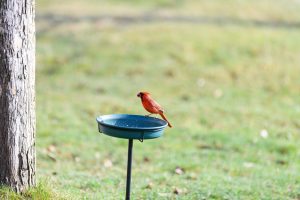
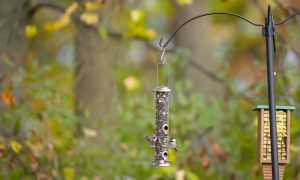
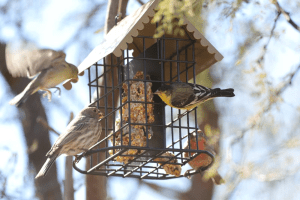
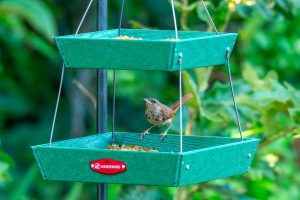
By late October, your feeders are busy. Sparrows scratch beneath the platform feeder. Juncos flash white tail feathers across the yard. A downy woodpecker works the suet cage. The feeding station you set up in September is doing its job.
But look beyond the feeders. In the hedgerow at the edge of the yard, a gray catbird is gorging on beautyberry fruits. A flock of cedar waxwings descends on a winterberry holly, stripping berries in minutes. A robin pulls dried crabapples from a tree it’s ignored all summer.
Your feeders supplement what the landscape provides. Native plants are the foundation.
Backyard birders who combine feeders with native plants create something a feeder alone cannot achieve: a self-sustaining food web that supports birds through the hardest months of the year. Feeders bridge the gap. Plants build the system.
This guide covers the best native trees, shrubs, and flowers that feed birds in fall and winter — what to plant, why it works, and how to choose species for your region.
Why Native Plants Matter More in Fall and Winter
In spring and summer, birds find abundant food everywhere — insects on leaves, nectar in flowers, worms in soft soil. Native plants contribute, but they’re one option among many.
In fall and winter, the equation changes dramatically:
Insects disappear. After the first hard frost, 80–90% of the insect biomass in your yard is gone. Species that depend on insects — warblers, wrens, bluebirds — must switch to berries, seeds, or leave entirely.
Berries ripen and persist. Many native plants produce berries specifically timed to ripen in fall — providing food exactly when birds need it most. Some species, like winterberry holly and crabapple, hold their fruit well into winter, providing critical food during snow cover.
Seed heads stand through winter. Native flowers like coneflower, black-eyed Susan, and goldenrod produce seed heads that remain upright and accessible through snow. While gardeners often deadhead these plants in fall, leaving them standing creates a natural bird feeder that lasts months.
Shelter becomes critical. Dense evergreen shrubs, native grasses, and brush piles provide roosting cover from wind, snow, and predators. In winter, a bird’s survival depends as much on shelter as on food.
According to the National Wildlife Federation, native plants support 10–50 times more caterpillar species than non-native ornamentals — and caterpillars are the primary food source for 96% of North American songbirds during the breeding season. The connection between native plants and bird survival is direct and well-documented.
Berry-Producing Shrubs for Fall Bird Food
Berry-producing native shrubs are the single most impactful addition to a fall/winter bird garden. They provide high-calorie fruit that persists on branches through frost, attracting thrushes, waxwings, robins, bluebirds, and many other species.
Winterberry Holly (Ilex verticillata)
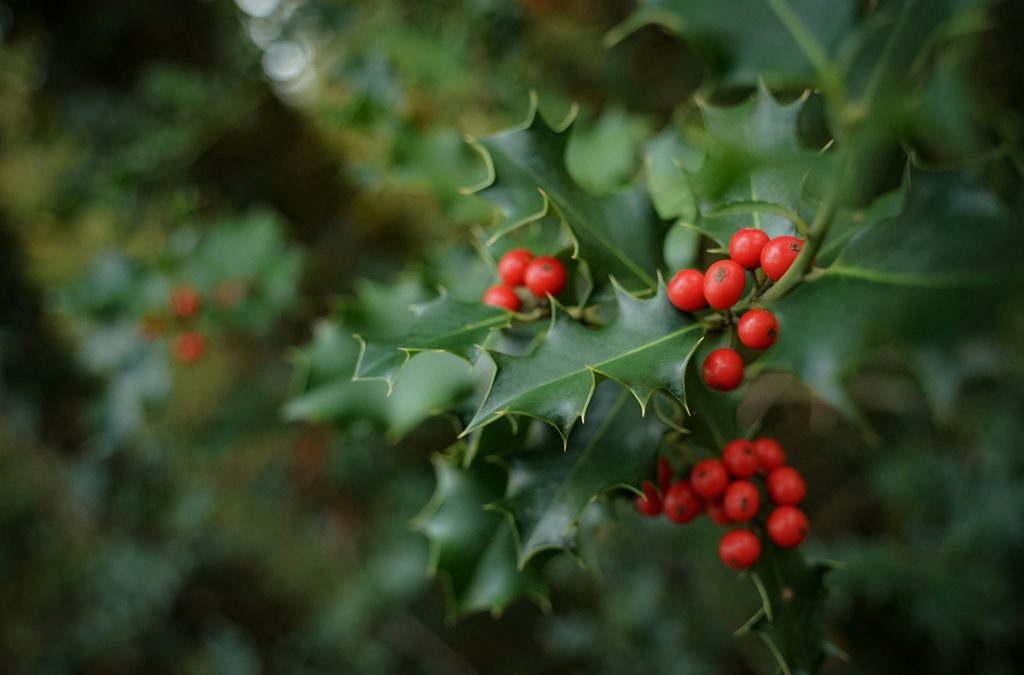
The undisputed champion of winter bird food. Winterberry drops its leaves in fall, leaving branches covered in brilliant red berries that persist through January or February — providing food when almost nothing else is available.
- Attracts: Robins, bluebirds, cedar waxwings, catbirds, mockingbirds
- Zone: 3–9
- Note: Plant both male and female plants (one male per 6–10 females) for berry production
American Beautyberry (Callicarpa americana)
Clusters of vivid purple berries ripen in September and persist into November. Beautyberry is one of the most visually striking native shrubs — and birds love it.
- Attracts: Mockingbirds, catbirds, robins, thrashers
- Zone: 6–10
- Note: Dies back to the ground in cold winters but regrows vigorously in spring
Winterberry not your zone? Try these alternatives:
| Shrub | Berries | Zone | Birds Attracted |
|---|---|---|---|
| American Elderberry (Sambucus nigra) | Dark purple, Aug–Oct | 3–9 | Bluebirds, catbirds, orioles |
| Arrowwood Viburnum (Viburnum dentatum) | Blue-black, Sep–Nov | 3–8 | Robins, cedar waxwings, thrushes |
| Gray Dogwood (Cornus racemosa) | White, Aug–Oct | 3–8 | Bluebirds, robins, waxwings |
| Spicebush (Lindera benzoin) | Red, Sep–Oct | 4–9 | Wood thrushes, robins, catbirds |
| Highbush Blueberry (Vaccinium corymbosum) | Blue, Jul–Sep | 3–8 | Bluebirds, catbirds, robins |
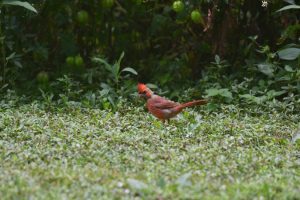
For a broader guide to attracting specific bird species to your yard, see our how to attract cardinals guide — cardinals are among the most visible berry-foraging birds in fall.
Seed-Bearing Flowers That Last Through Winter
Native perennial flowers serve double duty: they feed pollinators in summer and birds in winter. The key is leaving the seed heads standing through winter instead of cutting them back in fall.
Purple Coneflower (Echinacea purpurea)
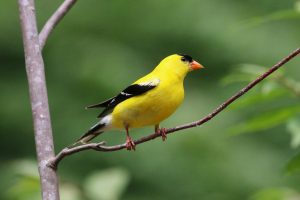
The spiky seed heads of coneflower are a goldfinch magnet. American goldfinches perch on the dried stems and extract seeds one by one through fall and into winter. The stems also provide perching sites for small sparrows.
- Attracts: Goldfinches, juncos, sparrows
- Zone: 3–8
- Tip: Don’t deadhead — leave all seed heads standing through winter
Black-eyed Susan (Rudbeckia hirta)
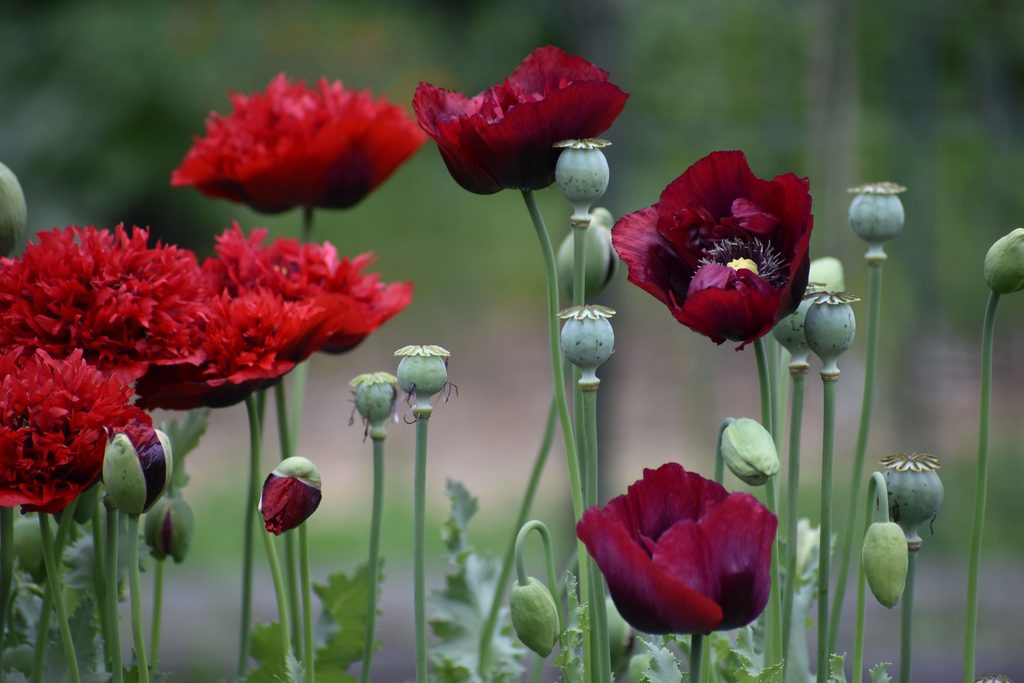
Similar to coneflower but with a more open seed head that’s easier for smaller birds to access. The seeds are slightly smaller and attract a wider range of species.
- Attracts: Goldfinches, chickadees, sparrows
- Zone: 3–8
- Tip: Self-seeds freely — you’ll have more plants each year
Native Sunflowers (Helianthus spp.)
Wild sunflowers produce smaller seeds than cultivated varieties, but they’re perfectly sized for finches and sparrows. Leave the dried flower heads standing and birds will strip them clean by December.
- Attracts: Goldfinches, house finches, sparrows, chickadees
- Zone: 3–9 (species-dependent)
Goldenrod (Solidago spp.)
Often blamed for allergies (the real culprit is ragweed, which blooms at the same time), goldenrod is one of the most valuable native plants for wildlife. The seed heads provide food for sparrows and finches, and the dried stems offer shelter for overwintering insects that early-spring birds depend on.
- Attracts: Sparrows, goldfinches, chickadees
- Zone: 3–9
Quick-reference: Seed flowers to leave standing
| Plant | Seed Availability | Primary Birds | Zone |
|---|---|---|---|
| Purple Coneflower | Sep–Feb | Goldfinches, juncos | 3–8 |
| Black-eyed Susan | Sep–Jan | Goldfinches, sparrows | 3–8 |
| Native Sunflower | Oct–Dec | Finches, sparrows | 3–9 |
| Goldenrod | Oct–Jan | Sparrows, chickadees | 3–9 |
| Aster (Symphyotrichum) | Nov–Feb | Sparrows, juncos | 3–8 |
| Ironweed (Vernonia) | Oct–Dec | Goldfinches | 4–8 |
Trees That Feed Birds in Cold Months
Trees provide food at a larger scale — berries, seeds, and shelter that cover entire flocks.
Eastern Red Cedar (Juniperus virginiana)
This evergreen tree produces blue berry-like cones that persist through winter. Cedar waxwings — named for their dependence on this tree — flock to red cedars in huge numbers from November through February.
- Attracts: Cedar waxwings, bluebirds, robins, flickers
- Zone: 2–9
- Bonus: Evergreen foliage provides critical winter roosting shelter
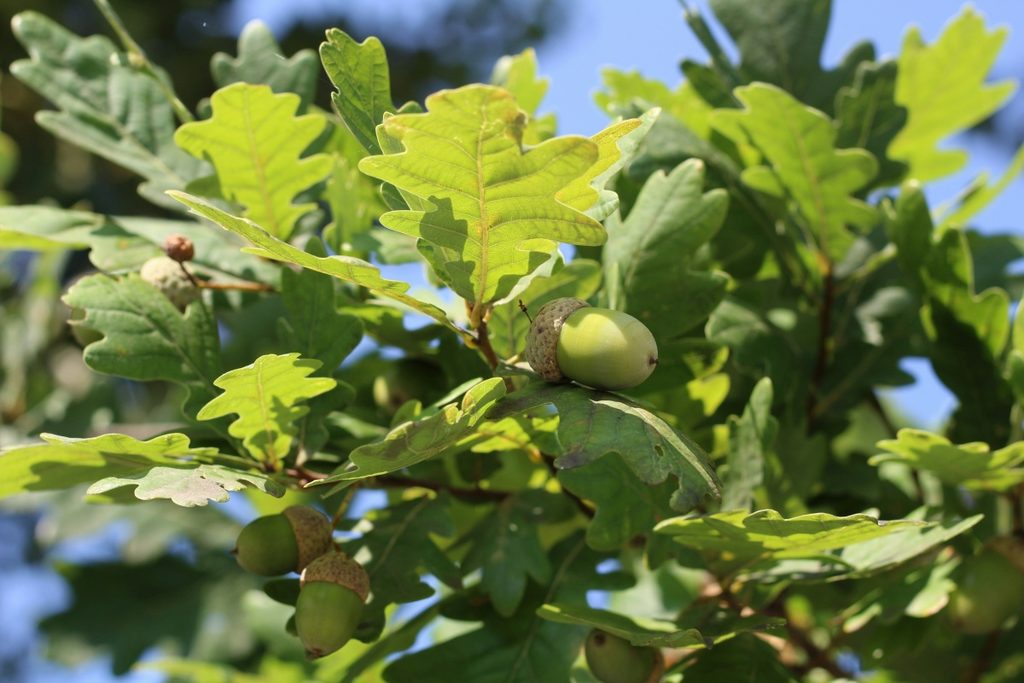
Oaks (Quercus spp.)
Oaks produce acorns that feed jays, woodpeckers, wild turkeys, and nuthatches. Blue jays cache thousands of acorns each fall — and the ones they forget sprout into new oak trees. Oaks also support more caterpillar species (over 500) than any other North American tree genus, making them the single most important tree for bird food in the breeding season.
- Attracts: Blue jays, woodpeckers, nuthatches, wild turkeys
- Zone: 3–9 (species-dependent)
- Note: Acorn production varies by year — “mast years” produce bumper crops
Crabapple (Malus spp.)
Small, persistent crabapple varieties hold their fruit well into winter. The fruits soften after freezing and thawing, becoming easier for birds to eat. Robins, waxwings, and bluebirds depend on crabapples during thaws when the ground is still frozen.
- Attracts: Robins, cedar waxwings, bluebirds, mockingbirds
- Zone: 4–8
- Tip: Choose varieties with small, persistent fruit (not large, dropping cultivars)
Serviceberry (Amelanchier spp.)
One of the earliest trees to bloom in spring and one of the first to produce berries in early summer. While the berries are mostly gone by fall, serviceberry provides excellent nesting habitat and shelter year-round.
- Attracts: Robins, catbirds, cedar waxwings, orioles
- Zone: 2–9
How to Choose Plants for Your Region
The single best resource for finding native plants for your area is the Audubon Native Plants Database. Enter your zip code and it generates a list of native plants matched to your region, along with the bird species each plant supports.
General guidelines by region:
| Region | Top Berry Shrubs | Top Seed Flowers | Top Trees |
|---|---|---|---|
| Northeast | Winterberry, arrowwood viburnum | Coneflower, goldenrod, aster | Eastern red cedar, oaks |
| Southeast | Beautyberry, spicebush | Ironweed, goldenrod | Dogwood, oaks |
| Midwest | Winterberry, dogwood | Coneflower, black-eyed Susan | Bur oak, hackberry |
| Great Plains | Chokecherry, sumac | Native sunflower, goldenrod | Eastern red cedar, hackberry |
| Pacific NW | Oregon grape, snowberry | Goldenrod, aster | Madrone, cascara |
| Southwest | Desert hackberry, manzanita | Apache plume, rabbitbrush | Mesquite, juniper |
Key principle: Choose plants native to your specific ecoregion, not just your USDA zone. A plant native to coastal Virginia may not thrive in inland Virginia, even though both are Zone 7.
The National Wildlife Federation’s Native Plant Finder also ranks plants by the number of butterfly and moth species they support — a direct proxy for bird food value.
Creating a Fall/Winter Bird Habitat Layer
The most effective bird habitat has multiple vertical layers — each providing different food and shelter:
Canopy layer (trees): Oaks, crabapples, serviceberry — provide berries, acorns, and nesting sites.
Understory layer (large shrubs): Winterberry, viburnum, elderberry — provide berries at eye level and shelter from hawks.
Ground layer (perennials and grasses): Coneflower, goldenrod, asters, native grasses — provide seeds and winter cover.
Leaf litter: Leave fallen leaves in garden beds. Sparrows and towhees scratch through leaf litter for seeds and dormant insects. A clean yard is a bird-unfriendly yard in winter.
For more ideas on making your garden attractive to birds, see our guide on small garden changes birds notice immediately.
Native Plants vs. Feeders: How They Work Together
This isn’t an either/or choice. Feeders and native plants serve different functions:
| Food timing | Immediate — food today | Delayed — takes 1–3 years to produce |
|---|---|---|
| Food variety | Seeds, suet, nectar (you choose) | Berries, seeds, insects (nature chooses) |
| Species range | Seed-eating songbirds | All birds — including insect and berry eaters |
| Maintenance | Weekly cleaning, refilling | Minimal after establishment |
| Longevity | As long as you maintain them | Self-sustaining for decades |
The optimal strategy: Start with feeders for immediate impact. Plant native shrubs and flowers for long-term habitat. In 2–3 years, as your plants mature, your backyard becomes a complete bird ecosystem — feeders supplement what the landscape already provides.
For guidance on where to place feeders in relation to plants and shelter, see our bird feeder setup and placement guide.
Fall and Winter Bird Plant FAQs
What native plants feed birds in winter?
Winterberry holly, eastern red cedar, and persistent crabapple varieties hold their fruit well into winter. Coneflower, black-eyed Susan, and goldenrod seed heads remain standing and accessible through snow. All of these provide food when natural sources are scarce.
Do I need to leave seed heads standing through winter?
Yes. The dried seed heads of coneflower, black-eyed Susan, goldenrod, and asters are a primary food source for goldfinches, juncos, and sparrows from October through February. Resist the urge to cut them back in fall — you’re removing a natural bird feeder.
How long does it take for native plants to produce bird food?
Berry-producing shrubs like winterberry and beautyberry typically produce fruit in their second or third year. Seed-producing perennials like coneflower and goldenrod often bloom in their first year. Trees like oaks and crabapples take 5–10 years to produce significant fruit. Start planting now — the sooner they go in, the sooner they produce.
What berry bushes attract the most birds?
Winterberry holly attracts the widest range of winter birds — robins, bluebirds, cedar waxwings, catbirds, and mockingbirds all feed on its persistent red berries. American beautyberry and arrowwood viburnum are close seconds. Plant a mix of species to provide food from September through February.
Are native plants better than non-native plants for birds?
Generally yes. Native plants co-evolved with local bird species and support the insect populations that birds depend on, especially during breeding season. Non-native ornamentals often produce berries that birds eat (like cotoneaster and pyracantha), but they support far fewer insect species. A mix is fine, but natives should form the backbone.
Can I plant native shrubs in containers?
Some smaller native shrubs (like dwarf winterberry and lowbush blueberry) grow in large containers. Most berry-producing shrubs perform best in the ground where their root systems can develop fully. If you only have a patio, choose container-adapted species and supplement with feeders.
When is the best time to plant native shrubs and trees?
Fall is ideal in most regions — the cooler temperatures reduce transplant stress, and the plants establish root systems through winter before spring growth. Early spring is the second-best window. Avoid planting in mid-summer heat.
Plant This Fall, Feed Birds for Years
Three things to do this weekend:
- Leave your seed heads standing. If you have coneflower, black-eyed Susan, or goldenrod, don’t cut them back. You’ve just created free bird feeders that last through February.
- Plant one winterberry holly. One male and two or three females will produce berries within 2 years — feeding robins, waxwings, and bluebirds when nothing else is available.
- Check the Audubon Native Plants Database. Enter your zip code, find your top 5 native plants, and start planning a spring planting.
Feeders fill the gap today. Native plants build the habitat that fills it for decades.
Browse
Native plants don’t just feed seed-eaters — they support the entire food chain. Dense native shrubs provide roosting shelter for winter birds (see where birds go at night), and the rodents they harbor attract owls to your yard (learn more in our how to attract owls guide).